

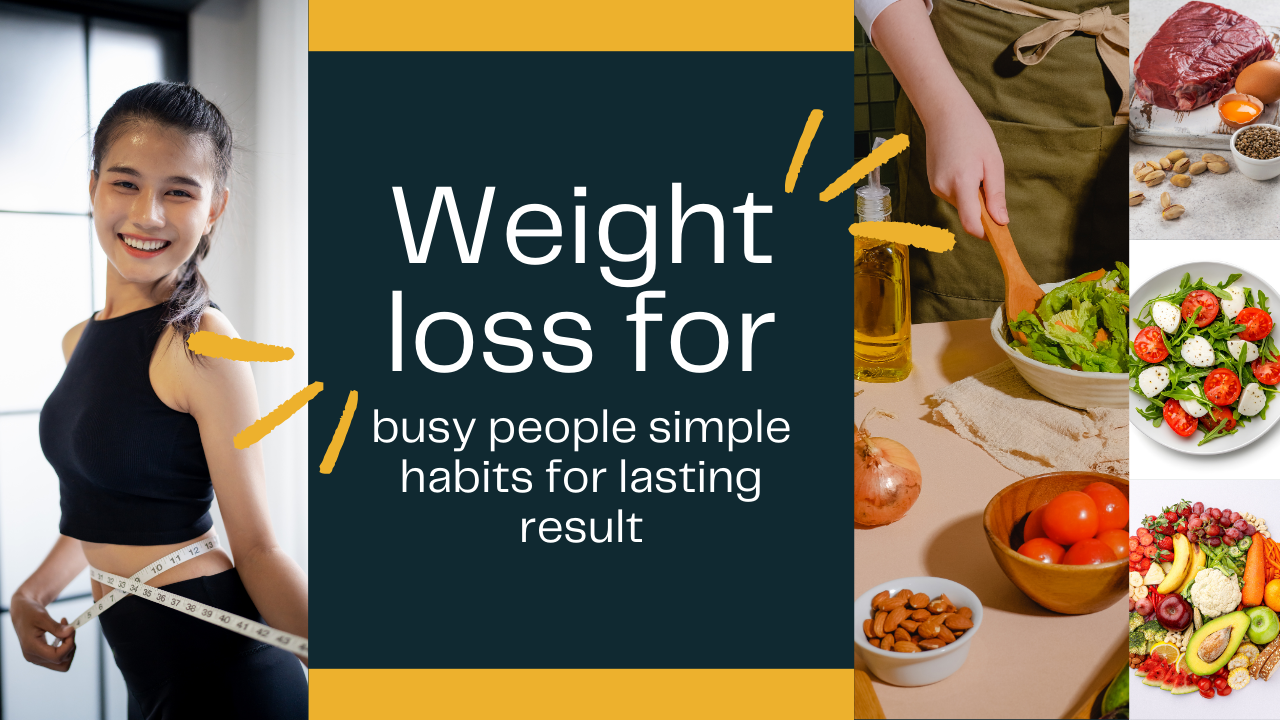
Modern life has become increasingly demanding, leaving very little room for personal health priorities. Many individuals struggle to balance professional responsibilities, family commitments, and social obligations while still trying to maintain a healthy lifestyle. This is exactly why weight loss for busy people has become one of the most searched and relevant health topics today. People are not unwilling to lose weight; they are simply overwhelmed by time constraints, mental fatigue, and inconsistent routines that make traditional fitness and diet plans unrealistic.
Weight loss for busy people focuses on practical, flexible, and sustainable approaches rather than extreme dieting or time consuming workout regimens. Instead of demanding perfection, this approach recognizes real life challenges and offers realistic solutions that fit into everyday schedules. By understanding how the body responds to small, consistent changes, weight loss for busy people becomes achievable without sacrificing productivity or well being.
The goal of this article is to provide a deeply researched and user focused guide that explains weight loss for busy people in a way that aligns with modern lifestyles and search engine expectations. This content emphasizes long term habits, smart nutrition, mindful movement, and stress management. Each section is carefully designed to support readers who want effective results without unrealistic pressure, making weight loss for busy people a truly sustainable journey.

What Is Weight Loss for Busy People
Weight loss for busy people is a lifestyle focused approach designed specifically for individuals who have limited time, high responsibilities, and demanding schedules. Rather than relying on strict diets or lengthy workout routines, weight loss for busy people emphasizes efficiency, balance, and consistency. This method recognizes that modern life often includes long work hours, family commitments, and mental fatigue, making traditional weight loss plans unrealistic. By aligning health strategies with daily routines, weight loss for busy people becomes achievable without disrupting productivity or personal obligations.
At its core, weight loss for busy people prioritizes smarter choices over perfection. It focuses on simple nutrition habits, portion awareness, and realistic meal planning that fit into fast paced lifestyles. Instead of eliminating foods or following complicated rules, this approach encourages moderation and sustainability. Movement is also redefined, allowing short and frequent activity sessions to replace long gym workouts. These practical adjustments make weight loss for busy people manageable, even during the most hectic periods.
Most importantly, weight loss for busy people is centered on long term success rather than quick results. It promotes habit formation, stress management, and improved sleep quality as key components of healthy weight management. By reducing pressure and guilt, this approach helps individuals stay consistent even when life becomes overwhelming. Weight loss for busy people is not a temporary fix but a sustainable system that supports both physical health and mental well being over time.
Why Weight Loss for Busy People Matters
In a fast paced lifestyle, health is often postponed due to professional pressure, family responsibilities, and constant mental load. Skipped meals, irregular eating patterns, long sitting hours, and limited physical activity slowly create negative health outcomes. This is why weight loss for busy people matters so much in the modern world. It addresses real life challenges without demanding drastic changes that are impossible to sustain. Instead of overwhelming routines, it offers practical solutions that fit into daily schedules and protect long term well being.
Another important reason this approach is essential is its impact on energy, focus, and productivity. Excess weight combined with poor nutrition and lack of movement can lead to fatigue, low motivation, and reduced mental clarity. When individuals follow a structured yet flexible system, they often experience improved stamina and emotional balance. Weight loss for busy people supports healthier habits that enhance performance at work and improve quality of life at home. The benefits go far beyond appearance and contribute directly to confidence and resilience.
Most importantly, this approach emphasizes prevention rather than correction. Ignoring health due to time constraints can increase the risk of chronic conditions and burnout over time. A realistic system encourages consistency even during stressful periods, helping individuals avoid extreme cycles of neglect and recovery. By focusing on gradual improvement and adaptability, weight loss for busy people becomes a sustainable investment in long term health, allowing individuals to thrive without sacrificing their responsibilities or personal goals.
Powerful and Positive Strategies for Sustainable Success
Smart Nutrition Planning

Smart nutrition planning is essential for maintaining health when time and energy are limited. Instead of following restrictive diets, this approach focuses on balanced meals that provide steady energy and essential nutrients. Choosing whole foods, prioritizing protein, and including fiber rich ingredients helps regulate appetite and prevent overeating. Simple meal structures reduce decision fatigue and make healthy choices easier throughout busy days.
Preparation plays a major role in successful nutrition planning. Preparing basic meals or ingredients in advance minimizes reliance on processed or convenience foods. This does not require elaborate recipes; even straightforward combinations can support consistent nourishment. Keeping healthy options readily available at home or work helps maintain balanced eating patterns without added stress.
Another key aspect is mindful eating. Eating with awareness helps individuals recognize hunger and fullness cues, reducing the tendency to eat out of habit or stress. Slowing down meals and limiting distractions supports better digestion and satisfaction. Smart nutrition planning is about creating realistic systems that align with daily routines, ensuring long term consistency and improved overall well being.
Time Efficient Movement Strategies
Time efficient movement strategies focus on maximizing physical activity without requiring long workout sessions. For individuals with demanding schedules, structured gym routines may feel unrealistic. Instead, short bursts of intentional movement throughout the day can significantly improve metabolism and energy levels. Simple activities such as brisk walking, bodyweight exercises, or stretching can be completed within minutes and still deliver meaningful benefits when practiced consistently.
Another effective strategy is integrating movement into daily tasks. Taking the stairs instead of the elevator, standing during phone calls, or walking during short breaks increases overall activity without adding extra time commitments. These small adjustments accumulate throughout the day and support calorie expenditure naturally. When movement becomes part of routine responsibilities, it feels less like an obligation and more like a normal habit.
Consistency matters more than intensity when time is limited. Even brief sessions performed regularly can enhance cardiovascular health, maintain muscle tone, and improve mental clarity. By redefining exercise expectations and focusing on manageable activity, individuals can maintain steady progress. Time efficient movement ensures that physical health remains a priority, even within a packed schedule, without creating additional stress or overwhelm.
Stress Management and Sleep

Stress management is a critical component of a healthy lifestyle, especially for individuals with demanding routines. Ongoing stress triggers hormonal responses that can negatively affect appetite, metabolism, and decision making. When stress levels remain high, the body is more likely to crave high calorie foods and store excess fat. Learning to manage stress through simple practices such as deep breathing, short mental breaks, or setting boundaries around work helps restore balance. Reducing stress supports better emotional control and creates an environment where healthy choices feel more achievable.
Sleep plays an equally important role in overall well being and body regulation. Poor sleep disrupts hormones responsible for hunger and fullness, often leading to increased cravings and reduced energy. When sleep quality declines, motivation to stay active and eat well also decreases. Establishing a consistent sleep routine, limiting screen exposure before rest, and creating a calming bedtime environment can significantly improve sleep quality. Restorative sleep allows the body to recover, regulate appetite, and maintain mental clarity throughout the day.
Together, effective stress management and quality sleep form a strong foundation for sustainable health. They support physical recovery, emotional stability, and consistent daily performance. When stress is controlled and sleep is prioritized, the body responds more positively to healthy habits. Rather than being optional extras, these elements are essential tools for maintaining balance, preventing burnout, and supporting long term well being in a fast paced lifestyle.
Mindset Shifts
A successful health journey begins with the right mindset, especially for individuals managing demanding schedules. One of the most important mindset shifts is moving away from perfectionism. Expecting flawless consistency often leads to frustration and abandonment of goals. Progress happens through repeated effort, not through perfect execution. Accepting that some days will be less structured allows individuals to stay committed without feeling discouraged. This mental flexibility creates space for growth rather than self criticism.
Another powerful mindset shift is focusing on long term behavior instead of short term outcomes. Many people become overly fixated on immediate results, which can reduce motivation when progress feels slow. A healthier perspective prioritizes daily actions such as eating balanced meals, staying active, and managing stress. When attention shifts to habits rather than outcomes, consistency improves naturally. Over time, these repeated behaviors produce meaningful and lasting change without constant pressure.
Finally, self compassion plays a crucial role in maintaining momentum. Viewing setbacks as learning experiences rather than failures strengthens resilience. A supportive inner dialogue encourages persistence even during busy or stressful periods. When individuals treat themselves with patience and understanding, they are more likely to continue making positive choices. This mindset shift transforms health improvement into a sustainable lifestyle rather than a temporary challenge, supporting steady progress and long term well being.
Habit Building Techniques for Weight Loss for Busy People

Building sustainable habits is the backbone of weight loss for busy people because routines eliminate the need for constant decision making. When life feels overwhelming, willpower alone is unreliable. Instead of depending on motivation, weight loss for busy people becomes easier when healthy behaviors are automated. Simple actions such as preparing meals ahead of time, keeping healthy snacks accessible, or scheduling short movement breaks reduce friction and make consistency achievable. The goal is not to overhaul life overnight but to introduce manageable adjustments that naturally fit into existing routines.
One powerful strategy for weight loss for busy people is habit stacking. This technique involves attaching a new healthy action to an already established routine. For example, stretching immediately after waking up or drinking water before morning coffee creates a natural trigger for consistency. By linking new behaviors to familiar habits, the brain adopts them more easily. Over time, these small additions accumulate into meaningful progress. Weight loss for busy people thrives on repetition, and stacking habits ensures that positive behaviors become automatic rather than forced.
Another essential technique is starting small and scaling gradually. Trying to change everything at once often leads to burnout, especially for individuals with demanding schedules. Weight loss for busy people works best when one habit is mastered before introducing another. Tracking progress, celebrating small wins, and focusing on improvement rather than perfection reinforce long term commitment. As habits solidify, they require less mental effort, making weight loss for busy people sustainable even during high pressure periods.
Long Term Sustainability
Long term sustainability is the foundation of any successful health transformation. Quick fixes and extreme methods often fail because they cannot be maintained alongside real life responsibilities. Sustainable progress comes from choosing habits that are realistic, flexible, and aligned with daily routines. When changes are simple and manageable, they naturally become part of everyday life rather than feeling like a temporary effort. This approach reduces burnout and increases the likelihood of consistent progress over time.
Another key aspect of long term sustainability is adaptability. Schedules change, stress levels fluctuate, and priorities shift, but healthy habits should be able to adjust without collapsing. Sustainable routines allow room for flexibility while maintaining overall balance. This mindset removes the pressure of perfection and replaces it with resilience. Small adjustments during busy periods help maintain momentum instead of causing setbacks or discouragement.
Ultimately, long term sustainability is about building a lifestyle that supports health without sacrificing productivity or well being. When habits are repeatable and enjoyable, motivation is no longer the driving force; consistency takes its place. Over time, these steady actions lead to lasting results that extend beyond physical changes. Sustainable practices empower individuals to maintain progress, protect their health, and achieve lasting balance in both personal and professional life.
Conclusion

Weight loss for busy people is built on practicality, consistency, and intelligent decision making rather than extreme routines or unrealistic expectations. In today’s fast paced world, health cannot depend on long gym sessions or complicated diet structures that are impossible to maintain. Instead, weight loss for busy people succeeds when small, strategic habits are integrated into daily life. Balanced nutrition, mindful eating, short bursts of movement, and proper sleep form the foundation of lasting progress. When these elements work together, they create sustainable results without adding stress to an already demanding schedule.
The strength of weight loss for busy people lies in flexibility. Life will always include unexpected meetings, deadlines, travel, and family responsibilities. A rigid system often collapses under pressure, but a flexible approach adapts. Choosing better food options most of the time, staying active in simple ways, and managing stress effectively allows progress to continue even during hectic periods. This realistic structure removes guilt and replaces it with confidence. As consistency grows, energy levels improve, productivity increases, and overall well being becomes stronger.
Ultimately, weight loss for busy people is not just about reducing numbers on a scale; it is about building a lifestyle that supports health without sacrificing ambition or responsibilities. Sustainable change happens when habits are simple, repeatable, and aligned with personal routines. By focusing on steady improvement instead of perfection, anyone can achieve meaningful transformation. With the right mindset and practical strategies, weight loss for busy people becomes not only possible but empowering and long lasting.
FAQ’s
Q1. How can weight loss for busy people work without strict dieting
Weight loss for busy people focuses on balance rather than restriction. By prioritizing nutrient dense foods, portion awareness, and consistent eating patterns, individuals can reduce excess calories naturally. This approach supports sustainable weight loss without the stress of rigid diet rules or constant food tracking.
Q2. Is exercise mandatory for weight loss for busy people
Exercise supports weight loss for busy people but does not require long sessions. Daily movement, even in small amounts, contributes to calorie burn and metabolic health. Consistency matters more than intensity, making movement accessible within busy schedules.
Q3. Can stress really affect weight loss for busy people
Stress significantly impacts weight loss for busy people by influencing hormones and eating behaviors. High stress levels can increase cravings and fat storage. Managing stress through relaxation and boundaries supports healthier choices and improved weight regulation.
Q4. How long does it take to see results with weight loss for busy people
Results vary depending on consistency and lifestyle factors. Weight loss for busy people emphasizes gradual progress rather than rapid change. Small improvements in energy, mood, and habits often appear first, followed by visible physical changes over time.
Q5. What is the biggest mistake in weight loss for busy people
The biggest mistake is attempting overly strict plans that do not fit daily life. Weight loss for busy people requires realistic strategies that adapt to changing schedules. Flexibility and patience are essential for long term success.