

In today’s fast-paced world, weight loss can often feel like a daunting task. However, one of the simplest yet most effective ways to lose weight is often overlooked: walking for weight loss. It’s an activity that is accessible to everyone, regardless of age or fitness level. With its low-impact nature and numerous health benefits, walking can play a significant role in helping individuals achieve their weight loss goals.
When people think about losing weight, they often turn to intense workouts or drastic diet changes. However, incorporating regular walking into your routine can have a profound impact on your weight and overall health. Research has shown that a brisk walk for just thirty minutes a day can help burn calories, improve cardiovascular health, and promote overall well-being. Plus, walking is free, doesn’t require any special equipment, and can be done almost anywhere.
Walking for weight loss is a sustainable method, unlike many other weight loss programs that involve strict calorie restrictions or extreme workout regimens. By making walking a daily habit, you not only work on burning fat but also boost your metabolism, reduce stress, and improve your mood. Whether you’re just starting out or have been walking for years, this activity can be tailored to your fitness level and goals, making it an ideal choice for anyone looking to lose weight effectively and healthily.

What Is Walking for Weight Loss?
Walking for weight loss involves incorporating a regular walking routine that is designed to increase your caloric expenditure, helping you burn fat and shed excess weight. This form of exercise is based on moderate-intensity aerobic activity, which means that it increases your heart rate, improving circulation and metabolism.
One of the most significant benefits of walking for weight loss is its ability to be adjusted to your personal fitness level. You can start with a leisurely walk and gradually increase the intensity by walking briskly or including inclines such as hills. The key is consistency. Regular walking, when combined with a balanced diet, can significantly accelerate weight loss. The more steps you take, the more calories you burn, ultimately leading to weight reduction.
Incorporating walking for weight loss into your lifestyle doesn’t require a gym membership or fancy equipment. Whether you walk outdoors or on a treadmill, the benefits are undeniable. Not only will you lose weight, but you’ll also feel more energized and mentally alert throughout the day. Whether you walk alone or with a partner, the simplicity and accessibility of this exercise make it an excellent choice for long-term weight management.
Why Is Walking for Weight Loss So Effective?
Walking for weight loss is incredibly effective for several reasons. First, it’s an easy way to engage in physical activity without putting excessive strain on the body. Unlike running or high-impact exercises, walking allows you to burn calories while reducing the risk of injury. This is especially important for people who may have joint pain or are new to exercise.
Secondly, walking increases your heart rate, which leads to the burning of stored fat for energy. This fat-burning effect not only helps in reducing body fat but also improves cardiovascular health. With a consistent walking routine, you can significantly reduce the risk of chronic diseases such as heart disease, diabetes, and high blood pressure.
Thirdly, walking stimulates the release of endorphins, the body’s natural mood boosters. This can help reduce stress and anxiety, both of which can be major barriers to weight loss. When you’re not stressed, you’re more likely to make healthier choices, such as eating better and staying active. Moreover, walking can help regulate hormones related to hunger and satiety, making it easier to control cravings.
The 8 Best Ways to Maximize Walking for Weight Loss
Increase Your Walking Speed
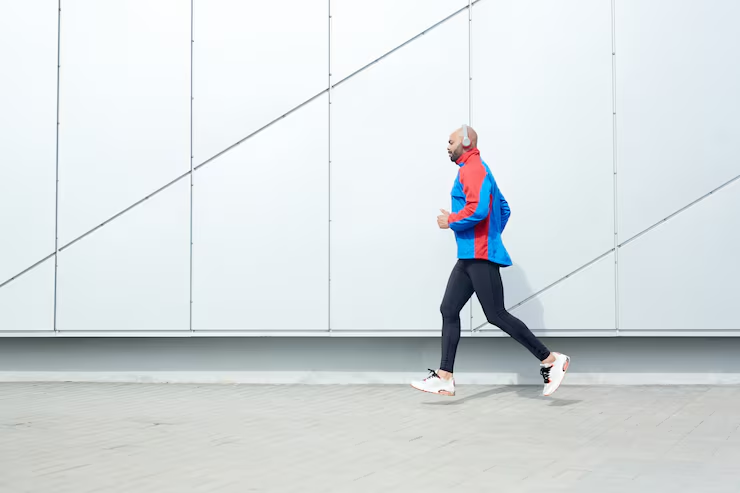
One of the easiest ways to maximize walking for weight loss is by increasing your walking speed. Walking at a brisk pace has a significantly higher impact on calorie burning compared to walking at a leisurely pace. When you walk faster, your heart rate increases, which leads to burning more calories in a shorter amount of time. A brisk pace should be one where you’re breathing slightly harder but still able to maintain a conversation. This moderate-intensity exercise can be sustained for longer periods, allowing you to burn fat efficiently over time.
By walking faster, you engage more muscle groups, including your legs, glutes, and core. The added intensity helps you build endurance and muscle, which further supports weight loss as muscle burns more calories even at rest. To make walking for weight loss more effective, aim for a speed of at least 4 to 5 miles per hour. As your fitness improves, you can gradually increase your speed, making your walks even more challenging and productive.
Consistency is key when increasing your walking speed. Try to incorporate faster-paced walks into your routine 3-4 times a week. Over time, you’ll notice improvements in your endurance, stamina, and weight loss results. Walking for weight loss is most effective when you challenge yourself, but without overexerting yourself. It’s about finding the right balance between speed and comfort. Gradually push yourself to walk faster, and you’ll burn more calories, leading to greater fat loss.
Add Hills or Inclines
Another great way to maximize the benefits of walking for weight loss is by incorporating hills or inclined surfaces into your walks. Walking uphill increases the intensity of your exercise, forcing your muscles to work harder and engage more muscle groups. This not only burns more calories but also helps tone your legs, glutes, and core. The steeper the incline, the more calories you burn, making it an excellent way to take your walking routine to the next level.
Incline walking is also beneficial for boosting cardiovascular health. As your heart works harder to supply oxygen to the muscles, you’ll improve your overall cardiovascular fitness while also burning fat. Adding inclines can help you build strength and endurance, which is especially important for those aiming for long-term weight loss. Whether you’re walking uphill outdoors or using an incline on a treadmill, walking for weight loss becomes more effective when you add varying degrees of incline to your routine.
Start slow if you’re new to incline walking. Begin with a slight incline and gradually increase the steepness as your body adapts. With consistent practice, your body will become more efficient at burning fat and toning muscles. Incorporating hills or inclines into your walking for weight loss regimen will not only accelerate your weight loss but also improve your overall fitness and stamina, making your walks more dynamic and rewarding.
Use Walking Poles
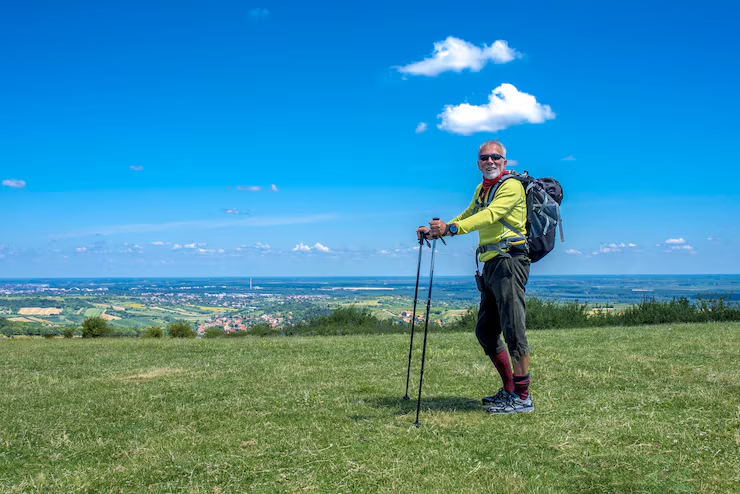
Using walking poles is a simple yet effective way to boost the calorie-burning potential of your daily walks. When you incorporate poles into your routine, you engage your upper body in addition to your legs, turning your walk into a full-body workout. By using poles, you activate muscles in your arms, shoulders, and back, which helps you burn more calories overall. This technique, known as Nordic walking, can increase the intensity of your walks by up to 40%.
The added resistance from walking poles helps engage the core muscles, providing stability and improving your posture. With walking for weight loss, the more muscles you involve, the more calories you’ll burn. Using walking poles is particularly beneficial for individuals who want to maximize fat loss without having to increase the intensity of their walks significantly. It’s an excellent option for beginners or those who want to keep their walks low-impact while still engaging their entire body.
Walking with poles also offers a variety of health benefits beyond just weight loss. It improves balance and coordination, reduces the risk of joint strain, and increases aerobic fitness. Whether you walk in a park, on a trail, or on a treadmill, adding poles to your walk can make walking for weight loss much more effective. It’s an easy addition to your routine, and you’ll soon notice the difference in how much more you’re able to engage your body during each walk.
Track Your Steps
Tracking your steps is one of the most motivating ways to make walking for weight loss even more effective. Many people find that using a pedometer or a fitness tracker helps them stay on track with their fitness goals. Setting a daily target, like 10,000 steps, allows you to have a measurable goal to strive toward, keeping you motivated and consistent. This habit can be especially helpful in making walking a regular part of your routine.
As you track your steps, you’ll be able to see how much progress you’re making each day, which helps you stay focused and committed to your weight loss journey. Walking for weight loss becomes much more effective when you have clear goals. If you find that you’re not reaching your target, you can increase your walking time or speed to catch up. Fitness trackers also provide data about calories burned, distance walked, and active minutes, which can offer valuable insights into how your body is responding to your walking routine.
Tracking your steps can also help you stay accountable. Whether you set a daily goal or aim to reach a specific number of steps each week, seeing your progress motivates you to stay active. Over time, you’ll find that walking for weight loss becomes a natural part of your daily routine, and the act of tracking your steps only enhances your commitment to losing weight and improving your health.
Walk After Meals

Walking after meals is an incredibly effective way to aid digestion and promote weight loss. After eating, your body starts the process of digestion, and a light walk can help speed up this process. Walking for weight loss after meals helps regulate blood sugar levels by stimulating insulin sensitivity. This prevents blood sugar spikes, which can contribute to fat storage if not properly managed. A simple post-meal walk of just 10-20 minutes can aid in the digestion process, reducing bloating and making you feel more comfortable after eating.
Aside from aiding digestion, walking after meals can help prevent the temptation to snack. Many people experience cravings after meals, especially if they feel sluggish or tired. Taking a brisk walk after eating helps to combat this by boosting your energy levels and reducing the desire for extra calories. This also leads to fewer mindless snacking habits that could otherwise interfere with your weight loss goals.
For those aiming to lose weight, adding a post-meal walk into your routine is a simple and effective strategy. Not only does it improve digestion and curb cravings, but it also helps you burn additional calories. This practice, when done consistently, can significantly enhance walking for weight loss and contribute to a healthier lifestyle overall.
Walk with a Friend or Group
Walking with a friend or joining a walking group can make walking for weight loss more enjoyable and keep you motivated. Walking alone can sometimes feel like a chore, especially if you’re not seeing immediate results. However, walking with a friend or group offers a social element that can make your walks more fun and less monotonous. It’s easier to stick with your routine when you have someone to share the experience with, and it can also provide a sense of accountability.
Walking with a friend can also help you push your limits. When you have someone walking alongside you, you’re more likely to maintain a brisk pace or add extra steps to your walk, which increases your calorie burn. Whether you’re discussing life, enjoying nature, or just chatting, the time spent walking passes quickly, and you’ll find yourself walking longer distances or for more time. This makes walking for weight loss not only more efficient but also more enjoyable.
In addition to motivation and enjoyment, walking with others can provide a sense of community. Participating in walking groups or events can help you feel more connected to others with similar health and fitness goals. Social support can boost your adherence to a fitness plan and help you stay committed to your weight loss goals. Walking with a friend or group can turn your fitness journey into a shared experience that’s both rewarding and sustainable.
Wear the Right Footwear
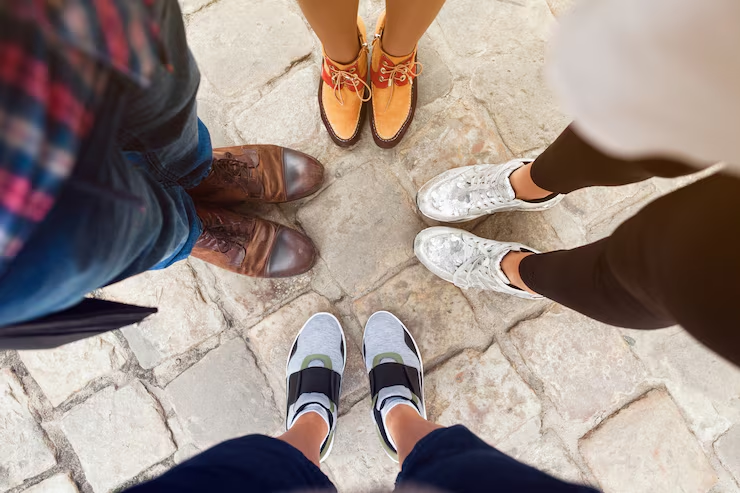
The importance of wearing the right footwear cannot be overstated when it comes to walking for weight loss. Proper footwear provides the necessary support and comfort to prevent injury, especially when walking long distances or on varied surfaces. Shoes with good arch support and cushioning help reduce the risk of blisters, shin splints, and joint pain. Walking in shoes that don’t fit properly can cause discomfort and derail your weight loss efforts, so it’s essential to invest in a good pair of walking shoes.
The right footwear also helps with your walking form. Properly fitting shoes encourage better posture and movement mechanics, which can improve the effectiveness of your walk. Walking for weight loss becomes much more enjoyable when you’re not worried about foot pain or discomfort. A comfortable pair of shoes can motivate you to walk more frequently and for longer periods, directly contributing to your weight loss goals.
When selecting walking shoes, make sure they offer proper cushioning, arch support, and a snug fit around the heel. Test the shoes by walking in them before committing to ensure they provide the right support for your feet. Walking for weight loss is much more efficient when your footwear supports your body’s natural movement, allowing you to focus on the activity itself instead of being distracted by discomfort.
Combine Walking with Healthy Eating
While walking for weight loss is effective on its own, it’s even more powerful when combined with a healthy, balanced diet. Walking helps burn calories, but without a nutritious diet, you may not see the desired weight loss results. Eating whole foods like fruits, vegetables, lean proteins, and healthy fats will provide your body with the energy it needs to perform well during your walks. A balanced diet also helps regulate hormones that control hunger, preventing overeating and unhealthy cravings.
Combining walking with a healthy eating plan can help you create a sustainable weight loss routine. Avoid processed foods, excess sugar, and unhealthy fats, as these can hinder your progress. Instead, focus on nutrient-dense foods that fuel your body and support your activity levels. This combination of exercise and diet will enhance your fat-burning potential, allowing you to lose weight faster and maintain healthy habits long-term.
By pairing walking with mindful eating, you create a holistic approach to weight loss that not only helps you shed pounds but also improves your overall health. Consistency in both areas will lead to lasting results. Walking for weight loss, coupled with proper nutrition, can transform your body and mindset, making it a sustainable and enjoyable way to achieve your fitness goals.
Conclusion

Walking for weight loss is one of the most accessible and sustainable ways to shed pounds and improve overall health. Unlike many intense exercise routines, walking provides a low-impact workout that’s easy on the joints and muscles while still offering significant fat-burning benefits. By making walking a daily habit, you can experience improvements in not only your weight but also your mental well-being.
Moreover, walking helps reduce the risk of chronic diseases, including heart disease, diabetes, and high blood pressure. It’s a holistic approach that promotes overall wellness while allowing for gradual weight loss. The beauty of walking is that it can be adapted to your personal fitness level and preferences, making it suitable for nearly anyone.
To maximize your weight loss efforts, incorporate strategies such as walking at a brisk pace, adding inclines, or using walking poles to increase the intensity. Consistency, combined with a healthy eating plan, can help you achieve your desired weight loss results. Remember, walking for weight loss isn’t just about burning calories—it’s about creating a sustainable, healthy lifestyle that you can maintain long-term.
FAQ’s
Q1. How much walking should I do for weight loss?
For effective weight loss, aim for at least 30 minutes of brisk walking most days of the week. Gradually increase your walking time as your stamina improves. The more you walk, the more calories you’ll burn, leading to weight loss.
Q2. Can walking alone help me lose belly fat?
Yes, walking for weight loss can help reduce belly fat. While spot-reduction isn’t possible, walking helps burn overall body fat, including belly fat. Combined with a healthy diet, walking is an effective way to flatten your stomach and improve your health.
Q3. How many calories can I burn by walking for weight loss?
On average, a 30-minute brisk walk can burn between 100 to 150 calories, depending on your weight and walking speed. Walking longer distances or adding hills can help increase your calorie burn.
Q4. Can I lose weight by walking alone?
Yes, walking is an effective form of exercise for weight loss, especially when done consistently. Combining walking with a healthy diet will help you see quicker and more sustainable results.
Q5. Is it better to walk on an empty stomach for weight loss?
Walking on an empty stomach, known as fasted walking, can help burn more fat, but it’s not necessary. You can walk at any time of the day. If you’re comfortable, fasted walking may enhance fat burning, but ensure you stay hydrated and don’t overexert yourself.