

Walking for Weight Loss is one of the most underestimated yet powerful ways to transform your body, improve your health, and achieve sustainable results. Unlike extreme dieting or high-intensity workout plans, walking offers a natural and beginner-friendly method that can easily fit into any lifestyle. With just a pair of comfortable shoes and a willingness to stay consistent, you can begin a journey that leads to visible weight loss, boosted energy, and long-lasting health improvements.
The beauty of Walking for Weight Loss lies in its simplicity. You don’t need a gym membership, expensive equipment, or years of fitness experience. Instead, this low-impact activity allows you to burn calories, improve metabolism, and tone muscles gradually—making it an excellent choice for individuals of all ages. Whether you’re a busy professional, a student, or a stay-at-home parent, walking can be seamlessly integrated into your daily schedule. By setting realistic goals and progressively increasing your intensity, you can achieve weight loss without feeling overwhelmed.
Moreover, Walking for Weight Loss doesn’t just benefit your physical body; it also enhances your mental well-being. A simple daily walk can reduce stress, elevate your mood, and improve sleep quality. In today’s fast-paced world, where people often look for quick fixes, walking stands out as a sustainable and enjoyable practice that delivers long-term results. By the end of this article, you’ll not only understand the science behind Walking for Weight Loss but also discover practical strategies to maximize its effectiveness.
What is Walking for Weight Loss?
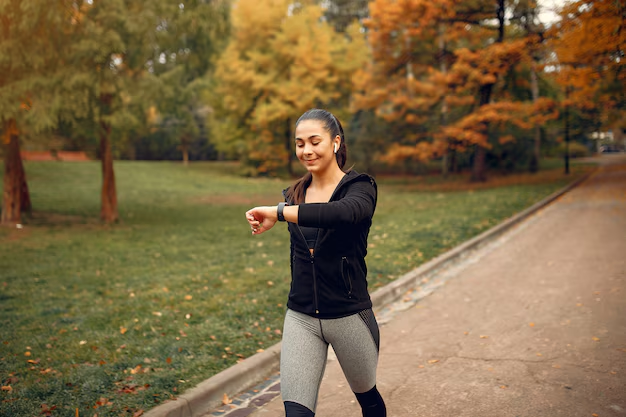
Walking for Weight Loss is the practice of using regular walking sessions as a structured way to burn calories, reduce body fat, and improve overall health. It isn’t just about taking a casual stroll; instead, it involves strategic walking routines with the right pace, duration, and frequency to encourage fat burning and weight reduction.
In fitness terms, Walking for Weight Loss emphasizes consistency. When you walk at a moderate pace of 3–4 miles per hour, your body taps into stored fat as a source of energy. Over time, this regular calorie burn contributes significantly to fat loss, particularly when paired with a balanced diet. Unlike high-impact exercises that may feel intimidating or cause joint stress, walking is safe and gentle, making it accessible for everyone.
Another key aspect of Walking for Weight Loss is its adaptability. It can be modified to suit different fitness levels. Beginners may start with 20–30 minutes of brisk walking daily, while more advanced walkers can increase their pace, add incline, or extend their walking sessions for greater results. Because it’s scalable, walking serves as a perfect entry point for beginners and a sustainable weight management tool for experienced individuals.
Why Choose Walking for Weight Loss?
Walking for Weight Loss offers numerous advantages that go beyond just shedding pounds. The first and most important reason is accessibility. Unlike many fitness programs that require equipment or structured environments, walking requires nothing more than your time and effort. You can do it at home, in your neighborhood, or even during work breaks.
Secondly, Walking for Weight Loss is sustainable. Crash diets or extreme workout plans may yield fast results, but they often lead to burnout or health complications. Walking, on the other hand, allows gradual progress. This makes it easier to stick with in the long term, ensuring that you maintain your weight loss and prevent rebound weight gain.
Lastly, Walking for Weight Loss provides holistic benefits. Along with burning calories, it helps regulate blood pressure, enhances cardiovascular health, strengthens muscles, and improves joint mobility. Mentally, walking is known to reduce anxiety and promote relaxation, giving you a dual benefit of physical transformation and mental clarity. These benefits make walking not just an exercise but a lifestyle choice.
Deeply Detailed Benefits of Walking for Weight Loss
Boosts Calorie Burn

One of the most important aspects of Walking for Weight Loss is its ability to burn calories efficiently. Every step you take contributes to energy expenditure, and the cumulative effect of consistent walking sessions helps create the calorie deficit needed for weight loss. Depending on your weight and walking speed, you can burn between 150–300 calories per 30 minutes of brisk walking.
The calorie burn doesn’t just stop when you finish walking. Walking also elevates your metabolism slightly, leading to a phenomenon known as the afterburn effect. This means your body continues to burn calories even after your walk has ended. When done daily, this consistent calorie burning adds up significantly, resulting in visible fat reduction.
To maximize calorie burn, you can vary your walking speed or include intervals. For example, alternating between 2 minutes of brisk walking and 1 minute of power walking challenges your cardiovascular system and increases calorie consumption. Adding an incline, such as walking uphill or on a treadmill with elevation, also intensifies the workout.
Walking for Weight Loss provides a steady, reliable way to manage your caloric balance without extreme effort. By pairing walking with mindful eating habits, you can speed up fat loss while still enjoying flexibility in your lifestyle.
Supports Sustainable Fat Reduction
Unlike restrictive diets that cause water weight loss or muscle depletion, Walking for Weight Loss encourages the reduction of stored fat. Regular walking taps into fat reserves to provide energy, especially when you maintain a consistent moderate pace for 30–60 minutes.
This process is vital for sustainable weight management. While high-intensity workouts may burn calories quickly, they also demand significant recovery and may not be suitable for beginners. Walking, however, is gentle and low impact, making it sustainable over months and years. This consistency is what leads to lasting fat loss rather than temporary results.
Additionally, Walking for Weight Loss preserves lean muscle mass. Muscle is metabolically active tissue, meaning it helps burn more calories even at rest. By maintaining muscle while losing fat, walking ensures that your metabolism stays healthy and active, preventing weight regain.
The key lies in patience and persistence. Walking for Weight Loss is not a “quick fix” but a lifestyle strategy. Over time, the fat reduction you achieve through walking becomes more visible and easier to maintain compared to drastic methods.
Improves Heart Health ❤️

Cardiovascular fitness plays a major role in weight loss and overall health. Walking for Weight Loss naturally strengthens your heart by improving blood circulation and increasing lung capacity. As you walk briskly, your heart rate elevates, which strengthens the cardiac muscles and enhances endurance.
Research has shown that individuals who walk regularly have a lower risk of heart disease, hypertension, and stroke. These health benefits complement your weight loss journey by ensuring that your body functions efficiently during fat-burning activities. A strong heart also improves your ability to engage in longer, more intense walking sessions.
Walking for Weight Loss additionally reduces cholesterol levels and regulates blood pressure. High cholesterol and hypertension are common barriers to weight management, as they often limit physical activity. By addressing these issues naturally, walking creates a positive cycle of better health and effective weight management.
Moreover, the mental relaxation gained from walking outdoors—such as in parks or natural surroundings—further contributes to heart health by lowering stress hormones like cortisol. This reduces belly fat accumulation, which is strongly linked to stress.
Boosts Mental Health and Motivation 🧠

A frequently overlooked advantage of Walking for Weight Loss is the impact on mental health. Walking triggers the release of endorphins, often referred to as “feel-good hormones,” which help elevate mood and reduce anxiety. This psychological benefit is crucial for weight loss because motivation plays a major role in staying consistent with a fitness routine.
Walking outdoors also offers therapeutic benefits. Exposure to fresh air and natural sunlight enhances vitamin D levels, which are linked to better mood and immune function. Taking a daily walk in green spaces or along scenic routes provides mental refreshment, reducing the monotony often associated with exercise.
Furthermore, Walking for Weight Loss promotes mindfulness. During a walk, you can disconnect from digital distractions, reflect on your goals, and regain focus. This mental clarity helps you make better dietary choices and remain consistent with your fitness plan.
In the long run, walking develops a positive feedback loop: improved mood motivates you to walk more, and walking more enhances your weight loss journey. This makes it easier to view walking not just as a weight-loss strategy but as a fulfilling lifestyle activity.
Strengthens Muscles and Joints
Walking is often underestimated as a muscle-strengthening activity. However, Walking for Weight Loss engages multiple muscle groups, including your calves, quadriceps, hamstrings, glutes, and even core muscles. Over time, these muscles become more toned, contributing to a leaner physique.
Unlike high-impact workouts that may strain the joints, walking gently strengthens them. Regular walking increases joint flexibility and reduces stiffness, making it an ideal exercise for individuals with arthritis or those recovering from injuries. Walking also stimulates the production of synovial fluid, which lubricates joints and improves mobility.
The postural benefits of Walking for Weight Loss are equally important. When you maintain an upright posture with engaged core muscles during walks, you improve spinal alignment and reduce the risk of back pain. Stronger muscles and joints also enhance overall stability, reducing the risk of falls or injuries.
By combining walking with resistance training or simple bodyweight exercises, you can further enhance muscle development and achieve a balanced body composition. Thus, walking is not only about burning fat but also about building strength and resilience.
Enhances Digestion and Metabolism

Another overlooked benefit of Walking for Weight Loss is its positive effect on digestion and metabolism. Walking after meals helps stimulate peristalsis—the movement of food through the digestive tract—reducing bloating and indigestion. A short 10–15 minute walk after eating can make a noticeable difference in digestion efficiency.
Walking also increases insulin sensitivity, which is crucial for maintaining stable blood sugar levels. Stable blood sugar prevents overeating, cravings, and energy crashes that often sabotage weight loss efforts. By improving how your body uses glucose, walking ensures that more energy is used efficiently rather than stored as fat.
On a metabolic level, Walking for Weight Loss raises your basal metabolic rate (BMR), meaning your body burns more calories even at rest. This effect is gradual but powerful, especially when combined with a consistent routine. Over weeks and months, your metabolism becomes more efficient, making it easier to maintain a calorie deficit and achieve lasting results.
Walking for Weight Loss therefore plays a dual role: it not only burns calories during the activity itself but also improves your body’s overall efficiency in using and storing energy.
Improves Sleep Quality 🌙
Quality sleep is often an underrated factor in successful weight loss. Walking for Weight Loss has been shown to enhance sleep quality by reducing stress and regulating the body’s circadian rhythm. Evening walks, in particular, help relax the mind and prepare the body for restful sleep.
Better sleep directly supports weight loss because it regulates hunger hormones like ghrelin and leptin. Poor sleep increases ghrelin (hunger hormone) and reduces leptin (satiety hormone), making you more likely to overeat. Walking helps break this cycle by promoting deep, restorative sleep.
Additionally, walking reduces cortisol levels. High cortisol levels are linked to abdominal fat storage, making weight loss more difficult. By lowering cortisol naturally, walking prevents stress-induced weight gain and supports overall hormonal balance.
Walking for Weight Loss therefore offers indirect yet powerful benefits for managing appetite and preventing overeating through better sleep. Over time, improved rest enhances recovery, energy levels, and exercise performance, all of which accelerate weight loss progress.
Is Cost-Effective and Flexible 💰
Unlike gym memberships or expensive diet programs, Walking for Weight Loss is free and highly flexible. All you need is a pair of comfortable shoes and the motivation to stay consistent. This makes walking one of the most accessible weight-loss strategies for people of all income levels.
Flexibility is another key advantage. You can walk indoors on a treadmill, outdoors in a park, or even around your home. Whether you prefer early mornings, lunch breaks, or evening strolls, walking fits into your schedule without requiring special arrangements.
Walking also pairs well with other fitness practices. You can combine it with strength training, yoga, or cycling to create a well-rounded fitness plan. For those who struggle to stick with complex routines, walking serves as a reliable foundation to stay active daily.
Because Walking for Weight Loss is both cost-effective and adaptable, it removes many of the barriers that prevent people from starting or sticking with a fitness routine. This accessibility ensures that walking can be embraced as a lifelong practice for weight management and health.
Conclusion
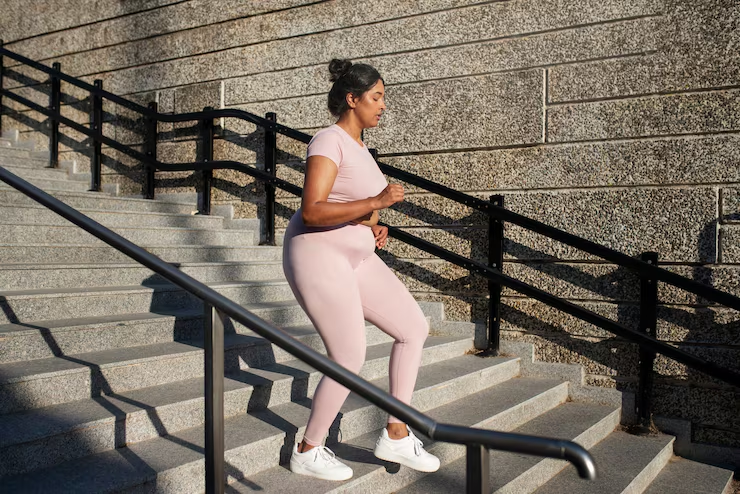
Walking for Weight Loss is more than just a form of exercise—it’s a lifestyle approach that combines simplicity, accessibility, and effectiveness. Unlike restrictive diets or high-impact workouts, walking allows you to burn calories, boost metabolism, and shed fat in a sustainable way. Its low-impact nature makes it safe for people of all ages, while its flexibility ensures you can adapt it to your schedule and fitness level. Whether you choose morning walks to energize your day or evening walks to relax and de-stress, every step brings you closer to your weight loss goals.
The real power of Walking for Weight Loss lies in its holistic benefits. Alongside physical transformation, walking improves heart health, strengthens muscles, regulates blood sugar, and enhances sleep quality. Mentally, it reduces stress, uplifts your mood, and boosts motivation—factors that are just as important as burning calories when it comes to long-term success. This dual benefit of improving both body and mind makes walking a complete package for anyone serious about achieving and maintaining a healthy lifestyle.
Ultimately, Walking for Weight Loss proves that achieving fitness doesn’t require expensive equipment, fancy gyms, or exhausting routines. All you need is consistency, a positive mindset, and a willingness to stay committed to the journey. By making walking a daily habit, you not only lose weight but also create a healthier, more active, and more fulfilling life. So, put on your walking shoes, take that first step, and embrace Walking for Weight Loss as a lifelong practice that will continue to reward you with results and confidence. 🚶♀️✨
FAQs
Q1: How much Walking for Weight Loss should I do daily to see results?
To see effective results, you should aim for at least 30–60 minutes of brisk Walking for Weight Loss daily. This helps create a consistent calorie deficit, which is essential for fat loss. Beginners can start with shorter walks and gradually increase their time and pace as their endurance improves.
Q2: Can Walking for Weight Loss be as effective as running?
Walking for Weight Loss can be just as effective as running if done consistently and strategically. While running burns calories faster, walking is more sustainable and low impact. With longer durations and steady effort, walking can achieve similar results without the higher risk of injury that comes with running.
Q3: What is the best time of day for Walking for Weight Loss?
The best time for Walking for Weight Loss depends on personal preference and routine. Morning walks can boost metabolism and set a positive tone for the day, while evening walks help reduce stress and improve sleep. The key is to choose a time you can consistently commit to.
Q4: Should I change my diet while doing Walking for Weight Loss?
Yes, combining Walking for Weight Loss with a balanced diet maximizes results. While walking burns calories, pairing it with nutrient-rich meals ensures you achieve a healthy calorie deficit. Focus on whole foods, lean proteins, fruits, and vegetables while avoiding processed or sugary foods for best outcomes.
Q5: Can I do Walking for Weight Loss indoors?
Absolutely! Walking for Weight Loss can be done indoors using a treadmill, in large hallways, or even by practicing indoor walking routines. Indoor walking is especially beneficial in bad weather conditions. As long as you maintain pace and duration, indoor walking provides the same weight-loss benefits.