

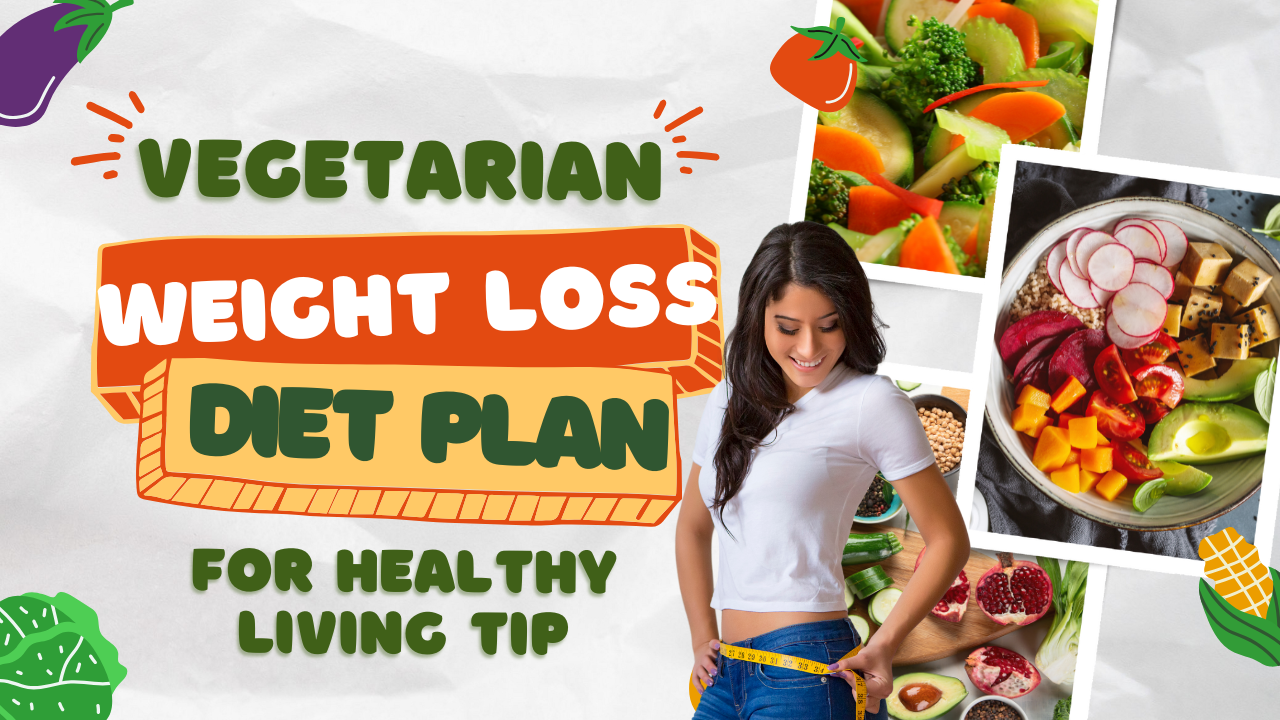
Maintaining a healthy lifestyle and achieving weight loss goals can be challenging, but adopting a vegetarian weight loss diet plan can make the journey enjoyable and sustainable. 🌿 With the growing awareness of plant-based nutrition, more people are opting for vegetarian diets not just for ethical reasons but also for the numerous health benefits they provide. A well-structured vegetarian weight loss diet plan can help reduce body fat, improve metabolism, and provide essential nutrients for overall wellness. Unlike restrictive diets, vegetarian meal plans can be diverse, flavorful, and fulfilling, ensuring that weight loss does not feel like a compromise.
A vegetarian weight loss diet plan focuses on consuming nutrient-dense, low-calorie foods like vegetables, fruits, legumes, whole grains, nuts, and seeds while limiting high-calorie processed foods. The emphasis is on eating foods rich in fiber, protein, and healthy fats to keep you full and energized throughout the day. Fiber-rich vegetables and whole grains improve digestion, while plant-based proteins help preserve lean muscle mass. By following this type of plan, individuals can achieve a sustainable calorie deficit, which is essential for weight loss. Moreover, a vegetarian approach has been linked to a lower risk of chronic diseases such as heart disease, diabetes, and high blood pressure, making it a holistic choice for health-conscious individuals.
Adopting a vegetarian weight loss diet plan is not just about eating salads or giving up favorite foods; it’s about smart choices and balanced nutrition. The plan encourages eating a variety of colorful vegetables, protein-rich legumes, and healthy fats to keep your meals exciting and satisfying. With proper planning, this diet can be rich in essential vitamins, minerals, and antioxidants that support metabolism and immunity. The goal is to create a diet that is sustainable, enjoyable, and effective for long-term weight management. In this comprehensive guide, we will explore the what, why, and how of a vegetarian weight loss diet plan, offering detailed insights, practical tips, and meal suggestions to help you achieve your fitness goals.
What is a Vegetarian Weight Loss Diet Plan?
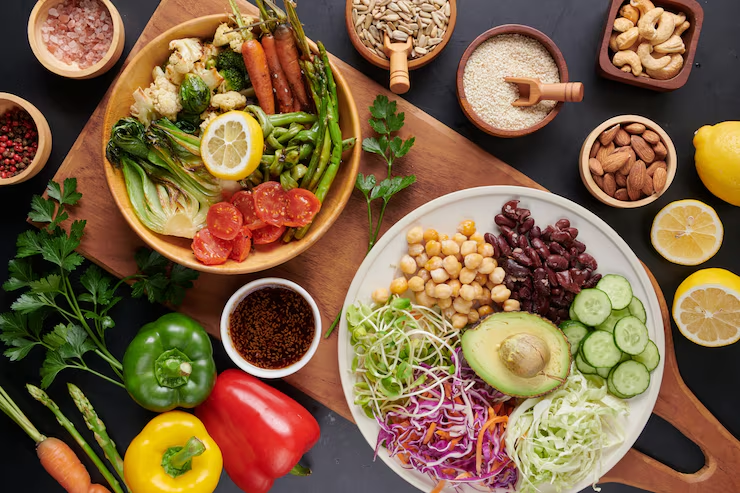
A vegetarian weight loss diet plan is a structured approach to nutrition that focuses on plant-based foods to help individuals shed excess weight healthily. Unlike traditional diets that may rely heavily on animal products, this plan emphasizes vegetables, fruits, legumes, grains, nuts, and seeds as the primary sources of nutrition. 🌱 It is designed to create a calorie deficit while ensuring the body receives essential nutrients for energy, metabolism, and overall well-being. The core principle is to consume foods that are low in calories but high in nutrients, keeping hunger at bay while promoting fat loss.
This diet plan is highly versatile and can be customized according to individual preferences, activity levels, and dietary requirements. A typical vegetarian weight loss diet plan includes meals that are rich in fiber and protein, as these components are known to boost metabolism and increase satiety. For example, lentils, chickpeas, tofu, and quinoa are excellent plant-based protein sources that can replace meat without compromising nutrition. Additionally, the inclusion of whole grains like brown rice, oats, and barley ensures sustained energy levels, preventing sugar cravings and overeating.
Another important aspect of a vegetarian weight loss diet plan is portion control and meal timing. Even healthy vegetarian foods can contribute to weight gain if consumed in excessive amounts. Therefore, this plan emphasizes balanced meals, moderate portion sizes, and mindful eating practices. Combining nutrient-rich foods with a consistent meal schedule helps maintain stable blood sugar levels, reduce fat accumulation, and improve digestive health. By following a structured vegetarian plan, individuals can not only achieve weight loss goals but also experience enhanced energy, improved mood, and long-term wellness.
Why Follow a Vegetarian Weight Loss Diet Plan?
Choosing a vegetarian weight loss diet plan comes with numerous benefits, both for physical health and overall lifestyle. 🌿 Firstly, plant-based diets are naturally lower in saturated fats and calories, which makes them highly effective for weight management. By replacing high-calorie processed foods with nutrient-dense vegetables, legumes, and grains, the body can achieve a calorie deficit without feeling deprived. This approach supports gradual and sustainable weight loss, minimizing the risk of rebound weight gain often seen with crash diets.
Secondly, a vegetarian weight loss diet plan promotes cardiovascular health. Diets rich in vegetables, fruits, and whole grains provide antioxidants, fiber, and phytochemicals that reduce inflammation and improve heart function. Studies have shown that individuals who follow a vegetarian diet tend to have lower cholesterol levels, blood pressure, and risk of heart disease compared to non-vegetarians. This dual benefit of weight loss and heart protection makes the diet particularly appealing for long-term health.
Lastly, adopting a vegetarian weight loss diet plan supports better digestion, enhanced metabolism, and improved mental well-being. The high fiber content from vegetables and legumes ensures smooth digestion, while plant proteins help preserve lean muscle during weight loss. Additionally, a balanced vegetarian diet can improve energy levels, mood, and focus due to its rich content of vitamins, minerals, and antioxidants. By following this diet, individuals not only achieve their weight goals but also experience holistic health improvements, making it a highly recommended approach for those seeking a sustainable lifestyle change.
Key Points of a Vegetarian Weight Loss Diet Plan
Focus on High-Protein Plant Foods
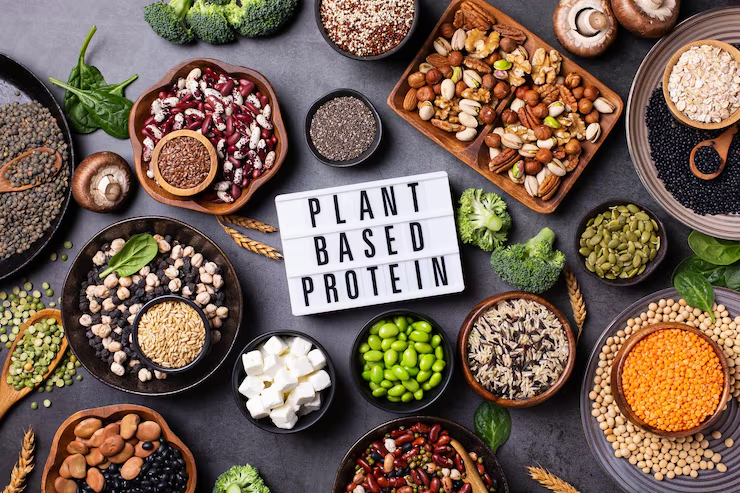
Focusing on high-protein plant foods is a crucial strategy in any vegetarian weight loss diet plan, as protein plays a key role in building and maintaining lean muscle while supporting fat loss. Plant-based protein sources such as lentils, chickpeas, tofu, tempeh, edamame, and quinoa are not only rich in essential amino acids but also low in saturated fat, making them ideal for weight management. Incorporating protein in every meal helps stabilize blood sugar levels, reduce cravings, and keep you feeling full for longer periods, which is essential for adhering to a calorie-controlled vegetarian weight loss diet plan. Additionally, protein boosts metabolism and aids recovery after exercise, ensuring that weight loss is efficient and sustainable. By prioritizing high-protein plant foods, individuals can create satisfying, nutrient-dense meals that enhance energy, preserve muscle mass, and support long-term success in any vegetarian weight loss diet plan.
How to Make It: Combine lentils or chickpeas with vegetables in curries or salads. Tofu can be grilled or baked with spices, while quinoa makes a versatile base for bowls with roasted veggies. Smoothies can also be enriched with plant-based protein powder for a quick meal option.
Nutritional Benefits: High-protein plant foods provide essential amino acids, iron, magnesium, and B vitamins. They support muscle health, metabolism, and energy levels, which are vital for anyone following a vegetarian weight loss diet plan.
Incorporate Fiber-Rich Vegetables and Fruits
Fiber-rich vegetables and fruits are a cornerstone of a vegetarian weight loss diet plan because they promote satiety, regulate digestion, and prevent overeating. Vegetables like spinach, broccoli, kale, and carrots, along with fruits such as berries, apples, and pears, provide essential vitamins, minerals, and antioxidants. Fiber slows sugar absorption, supporting stable blood sugar levels and effective fat-burning. Including a variety of colorful produce enhances both flavor and nutrition, making meals enjoyable. A vegetarian weight loss diet plan that emphasizes fiber-rich foods helps improve gut health, reduces cravings, and supports long-term weight management while providing essential nutrients for overall wellness.
How to Make It: Prepare salads with a variety of raw vegetables, steam or roast seasonal vegetables as a side, or make smoothies with fruits and leafy greens. Soups and stews with beans, lentils, and vegetables are also excellent fiber-rich options.
Nutritional Benefits: Fiber-rich foods provide essential vitamins, antioxidants, and minerals. They improve digestion, reduce cholesterol levels, and help maintain stable energy throughout the day—all crucial for an effective vegetarian weight loss diet plan.
Opt for Whole Grains Over Refined Carbs
Whole grains are vital in a vegetarian weight loss diet plan because they provide sustained energy, prevent sugar cravings, and enhance digestive health. Options like brown rice, quinoa, oats, barley, and whole-wheat bread are rich in fiber, B vitamins, and minerals. Unlike refined carbohydrates, whole grains keep you fuller for longer and support a stable metabolism, which is crucial for effective weight loss. Including whole grains in a vegetarian weight loss diet plan ensures balanced energy, reduces overeating, and promotes overall nutrition, making weight management sustainable and enjoyable.
How to Make It: Swap white rice with brown rice or quinoa. Use whole-wheat bread or wraps for sandwiches, and enjoy oatmeal or overnight oats for breakfast. Combine grains with vegetables and legumes for balanced meals.
Nutritional Benefits: Whole grains are rich in fiber, B vitamins, iron, magnesium, and antioxidants. They regulate blood sugar, boost metabolism, and support digestive health, making them an important part of a vegetarian weight loss diet plan.
Include Healthy Fats in Moderation
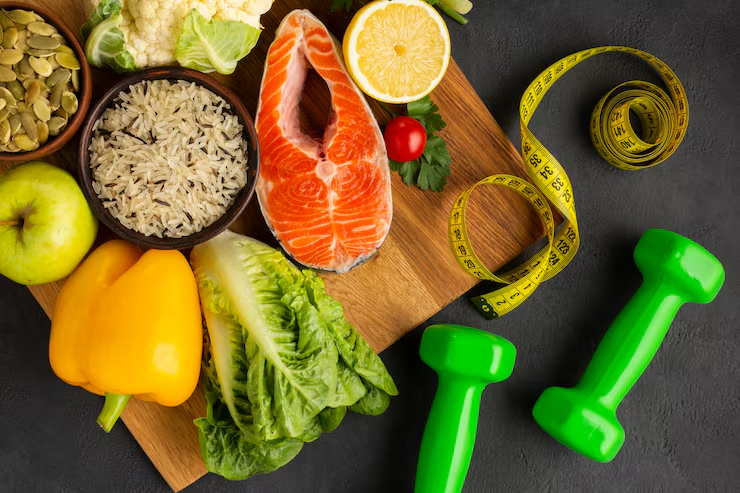
Healthy fats play an important role in a vegetarian weight loss diet plan because they support hormone regulation, nutrient absorption, and satiety. Sources such as avocado, nuts, seeds, and olive oil provide essential fatty acids and fat-soluble vitamins. Including moderate amounts of healthy fats prevents cravings, supports long-lasting energy, and enhances overall well-being. A vegetarian weight loss diet plan that incorporates these fats ensures proper nutrition while aiding in fat metabolism and heart health, making meals more satisfying and sustainable.
How to Make It: Add avocado to salads or sandwiches, sprinkle chia or flax seeds in smoothies or yogurt, use olive oil for cooking or dressings, and snack on a small handful of nuts.
Nutritional Benefits: Healthy fats provide essential fatty acids like omega-3s and omega-6s, fat-soluble vitamins, and antioxidants. They improve heart health, support metabolism, and enhance satiety, making them a must-have in any vegetarian weight loss diet plan.
Limit Processed and Sugary Foods
Limiting processed and sugary foods is crucial for any effective vegetarian weight loss diet plan, as these items are high in empty calories and can stall fat loss. Processed snacks, sugary drinks, and refined flour products spike blood sugar levels and increase fat storage. Replacing them with whole, natural foods like fruits, vegetables, legumes, and nuts ensures nutrient-dense meals that promote weight management. A vegetarian weight loss diet plan that avoids processed foods supports stable energy, reduces cravings, and enhances long-term weight loss success.
How to Make It: Swap sugary drinks with herbal teas or infused water. Replace chips with roasted chickpeas or nuts. Choose homemade snacks like energy bars with oats, dates, and nuts.
Nutritional Benefits: Whole foods provide fiber, protein, vitamins, and minerals that support fat loss, energy balance, and overall health. Reducing processed foods helps maintain stable blood sugar and accelerates weight loss in a vegetarian weight loss diet plan.
Plan Balanced Meals and Snacks
Planning balanced meals and snacks is a key principle of a vegetarian weight loss diet plan because it ensures proper nutrition and portion control. Every meal should include a combination of protein, fiber, healthy fats, and complex carbohydrates. Preparing meals ahead of time reduces impulsive eating, prevents high-calorie indulgences, and promotes consistency. Including nutritious snacks like nuts, seeds, or fresh fruits keeps energy levels stable. A well-structured vegetarian weight loss diet plan supports sustainable fat loss, provides essential nutrients, and keeps the diet enjoyable without feeling restrictive.
How to Make It: Prepare weekly meal plans with breakfast, lunch, dinner, and snacks. Include a protein source, fiber-rich vegetables, and a small portion of healthy fats in every meal. Pre-portion snacks in small containers for convenience.
Nutritional Benefits: Balanced meals provide sustained energy, improve digestion, and regulate appetite. Proper planning ensures all essential nutrients are included, supporting fat loss and long-term wellness on a vegetarian weight loss diet plan.
Stay Hydrated

Proper hydration is essential in a vegetarian weight loss diet plan because water supports digestion, metabolism, and appetite regulation. Drinking sufficient water prevents mistaking thirst for hunger, which can lead to overeating. Hydrating foods like watermelon, cucumber, and oranges, along with herbal teas or infused water, further support fluid intake. Staying hydrated improves fat metabolism, reduces bloating, and enhances overall energy levels. Incorporating consistent hydration in a vegetarian weight loss diet plan helps maximize weight loss results while supporting overall health and wellness.
How to Make It: Drink at least 8–10 glasses of water daily. Add cucumber, lemon, or mint to water for flavor. Include hydrating foods like watermelon, cucumber, and oranges in meals.
Nutritional Benefits: Adequate hydration improves metabolic efficiency, supports detoxification, aids nutrient absorption, and reduces bloating. Staying hydrated enhances the effectiveness of a vegetarian weight loss diet plan.
Combine Diet with Regular Exercise
Combining a vegetarian weight loss diet plan with regular exercise maximizes fat loss, boosts metabolism, and maintains lean muscle mass. Activities such as yoga, cardio, strength training, and brisk walking help burn calories, tone muscles, and improve cardiovascular health. Exercise also elevates mood, energy, and motivation, complementing a balanced plant-based diet. Following a consistent workout routine alongside a vegetarian weight loss diet plan ensures more efficient, sustainable weight loss while promoting overall physical and mental well-being.
How to Make It: Incorporate at least 30–60 minutes of activity daily. Mix cardio, strength training, and flexibility exercises. Walking, jogging, cycling, or home workouts are excellent options.
Nutritional Benefits: Exercise enhances metabolism, supports fat loss, improves cardiovascular health, and strengthens muscles. Combined with a vegetarian weight loss diet plan, regular activity maximizes results and promotes sustainable health improvements.
Conclusion
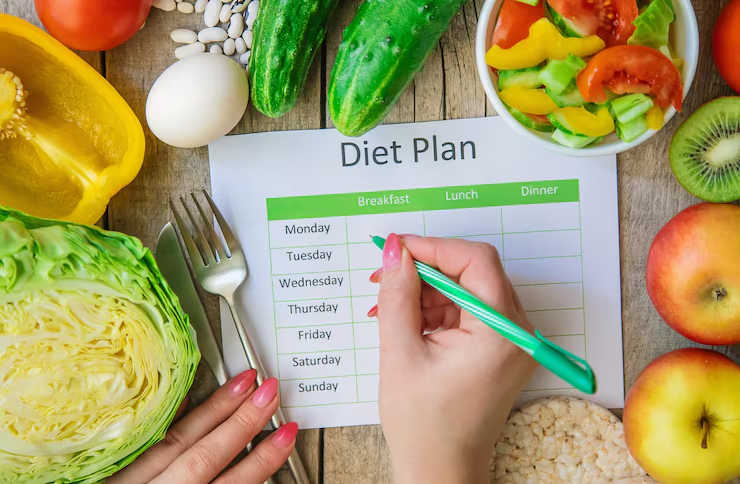
Adopting a vegetarian weight loss diet plan is a positive and sustainable way to achieve weight loss goals while supporting overall health. 🌱 Unlike fad diets or extreme calorie restrictions, this approach emphasizes nutrient-dense, plant-based foods that nourish the body and keep you energized. By focusing on high-protein foods, fiber-rich vegetables, whole grains, and healthy fats, individuals can create a balanced and satisfying diet that naturally encourages fat loss. This method ensures that weight management does not come at the expense of essential nutrients, making it a smart choice for long-term wellness.
A structured vegetarian weight loss diet plan not only helps reduce body weight but also improves cardiovascular health, digestion, and metabolic efficiency. Regular consumption of plant-based foods provides antioxidants, vitamins, and minerals that support immunity and prevent chronic diseases. Moreover, the variety in meal options keeps the diet interesting and enjoyable, reducing the chances of diet fatigue. Pairing this diet with regular physical activity enhances results, promotes muscle tone, and accelerates fat-burning, ensuring holistic health improvements.
Finally, a vegetarian weight loss diet plan encourages mindful eating, portion control, and hydration, all of which contribute to sustainable results. By replacing processed foods with wholesome, nutrient-rich alternatives, individuals can experience steady, gradual weight loss without compromising energy or mood. 🥗 The diet’s flexibility allows customization according to personal preferences, making it suitable for diverse lifestyles. With dedication, consistency, and informed choices, a vegetarian approach can transform weight loss efforts into a lifelong journey of health, vitality, and positivity.
FAQs
Q1: How long does it take to see results on a vegetarian weight loss diet plan?
The time to see results varies depending on individual metabolism, starting weight, and adherence to the plan. Generally, individuals can notice visible weight changes in 4–6 weeks. Consistency, portion control, and balanced nutrition are key to achieving sustainable fat loss and overall health improvement.
Q2: Can I build enough protein on a vegetarian weight loss diet plan?
Yes! A vegetarian weight loss diet plan includes protein-rich foods like lentils, chickpeas, tofu, tempeh, quinoa, and nuts. By combining different plant-based proteins, you can meet daily protein requirements necessary for muscle preservation, satiety, and metabolic support during weight loss.
Q3: Are snacks allowed in a vegetarian weight loss diet plan?
Absolutely! Healthy snacks like nuts, seeds, fruits, and vegetable sticks are recommended. 🌿 They help curb hunger between meals without adding empty calories. Proper snacking ensures energy levels remain stable and prevents overeating during main meals, making the diet more sustainable and enjoyable.
Q4: Can a vegetarian weight loss diet plan help reduce belly fat?
Yes, when combined with regular exercise and portion control, a vegetarian weight loss diet plan can reduce overall body fat, including belly fat. Foods rich in fiber and protein help regulate metabolism, decrease cravings, and support fat-burning, making abdominal slimming achievable over time.
Q5: Is it necessary to take supplements on a vegetarian weight loss diet plan?
While a well-planned vegetarian weight loss diet plan provides most nutrients, some may benefit from supplements like vitamin B12, iron, or omega-3s. Consulting a nutritionist can help determine personal needs, ensuring the diet remains balanced, nutritious, and effective for long-term weight loss goals.