


The journey toward a better lifestyle begins with understanding the role of healthy food for weight loss, a concept that continues to shape how individuals approach their daily eating patterns and overall wellness. In a world filled with fast-paced routines and confusing dietary advice, people often struggle to choose foods that contribute to long-term health. This is where the importance of selecting healthy food for weight loss becomes not just an idea but a foundational lifestyle requirement. When individuals choose nutrient-dense meals, they fuel their bodies with energy while supporting the natural process of managing body composition in a sustainable manner.
Another significant aspect of healthy food for weight loss is the empowerment it gives people to take control of their habits. Instead of depending on restrictive diets or temporary solutions, individuals learn to enjoy the richness of whole foods that support better metabolism, improve digestion, and strengthen mental clarity. When people focus on these choices, they cultivate habits that promote balanced living, allowing the body to respond naturally to nourishing ingredients. This balanced approach helps reduce common challenges like cravings, fatigue, and inconsistent eating patterns, which often slow progress.
Moreover, embracing healthy food for weight loss encourages a mindset shift toward mindful eating. Rather than viewing food as merely a source of calories, individuals learn to appreciate meals as sources of vitamins, minerals, antioxidants, and natural goodness that influence energy, mood, and long-term health outcomes. This understanding leads to better lifestyle adherence because individuals become more aware of the value of each choice. When healthy eating becomes a positive, enjoyable, and rewarding experience, it creates a path toward a more energized and sustainable life.
What Is Healthy Food for Weight Loss
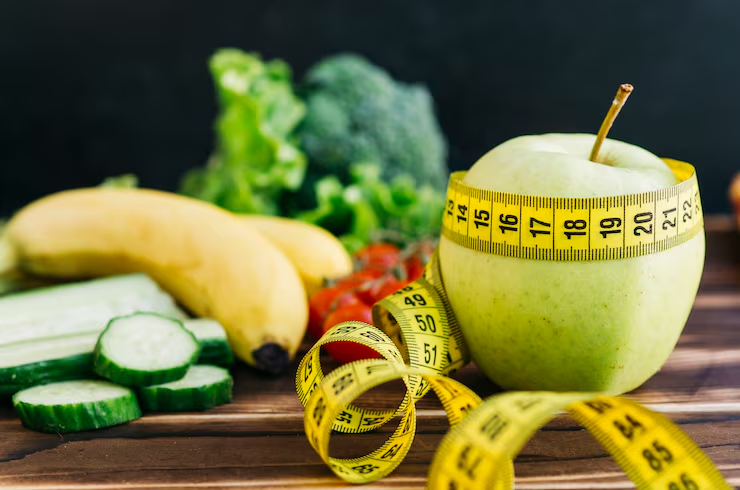
Understanding what qualifies as healthy food for weight loss is essential for building a sustainable eating plan that supports long-term health. Such foods are typically rich in nutrients while being naturally lower in unhealthy fats, added sugars, and processed ingredients. Instead of relying on packaged meals that provide short bursts of energy, these whole foods offer a steady release of fuel that keeps individuals satisfied for longer periods. This means fewer cravings, better portion control, and improved digestive balance. By focusing on wholesome ingredients, the body receives the nourishment required to function efficiently throughout the day.
Another defining feature of healthy food for weight loss is its ability to optimize the body’s natural metabolic system. Foods such as leafy greens, legumes, lean proteins, nuts, fruits, and whole grains supply the body with essential nutrients while supporting the processes of fat oxidation and muscle maintenance. When individuals eat meals that are aligned with their metabolic needs, they experience better energy flow, reduced inflammation, and improved hormonal balance. This makes routine activities easier and enhances overall vitality.
Additionally, healthy food for weight loss plays a key role in supporting emotional wellness. Healthy eating patterns are closely tied to mood stability because the brain depends on nutrients for optimal functioning. When individuals avoid highly processed foods and instead choose nourishing options, they experience more consistent energy and better cognitive performance. This holistic benefit highlights that weight management is not simply about reducing calories; it is about creating a harmonious balance between body and mind through mindful food consumption.
Why Healthy Food for Weight Loss Matters
There are countless reasons why healthy food for weight loss holds such significant value in daily living, especially for individuals striving to enhance their overall wellness. One of the strongest reasons is the natural ability of nutritious meals to keep the body functioning at its best. When individuals choose foods rich in fiber, antioxidants, and essential nutrients, they nourish the body in ways that promote better digestion, sustained energy, and reduced cravings. All of these elements play essential roles in developing a strong foundation for healthy weight management.
Another reason healthy food for weight loss is important lies in its contribution to long-term health protection. Diets rich in whole foods help reduce the risk of many chronic conditions by lowering inflammation, supporting heart health, and stabilizing blood sugar levels. These benefits make everyday tasks more manageable and improve overall vitality. Instead of relying on temporary fixes or restrictive diet plans, individuals gain lasting positive effects through a lifestyle built around mindful food choices.
Furthermore, healthy food for weight loss matters because it supports emotional resilience. Eating nutrient-dense meals promotes clearer thinking, stronger focus, and improved emotional balance. When energy levels remain stable throughout the day, individuals are better equipped to handle challenges, stay motivated, and maintain positive habits. This connection between healthy eating and emotional well-being makes the process of achieving personal goals more sustainable, fulfilling, and enjoyable.
Top Points and Choices of Healthy Food for Weight Loss
Leafy Greens as Healthy Food for Weight Loss
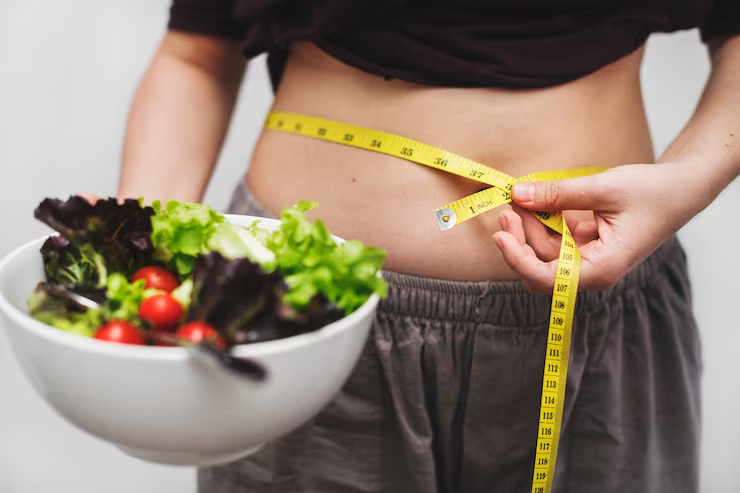
Leafy greens stand as one of the most powerful forms of healthy food for weight loss due to their exceptional nutrient density and low caloric content. Foods such as spinach, kale, collard leaves, and arugula are packed with vitamins, minerals, and antioxidants that help the body maintain energy while supporting cellular repair. Their natural fiber content promotes fullness, which helps individuals stay satisfied for longer periods without consuming excessive calories. Leafy greens also contain hydration-rich components that assist in digestion and reduce bloating, helping individuals feel lighter and more energetic throughout the day.
Another reason leafy greens qualify as excellent healthy food for weight loss is the presence of phytonutrients that support metabolic health. These naturally occurring compounds assist in reducing inflammation, improving immune strength, and aiding the body’s detoxification processes. When individuals include leafy greens regularly in their meals, they experience smoother digestion, better fat metabolism, and enhanced nutrient absorption. All of these factors contribute to long-term wellness and make weight management feel more natural and less restrictive.
Additionally, leafy greens are extremely versatile and can be incorporated into countless recipes, making them a convenient form of healthy food for weight loss. They blend well with salads, smoothies, soups, wraps, and stir-fries, allowing individuals to enjoy them in various textures and flavors. Their mild taste complements a range of ingredients, making it easy to add them to meals without feeling overwhelmed by strong flavors. This versatility ensures that healthy eating remains enjoyable and adaptable to different culinary preferences.
Nutritional Benefits:
High in antioxidants, fiber, and essential vitamins.
How to Make It:
Add raw to salads, sauté lightly, or blend into green smoothies.
Lean Proteins as Healthy Food for Weight Loss
Lean proteins are an exceptional category of healthy food for weight loss because they support muscle maintenance while promoting better satiety. Foods such as fish, poultry, tofu, and legumes provide essential amino acids that strengthen muscles, enhance metabolism, and encourage the body to burn calories more efficiently. Unlike processed foods that lead to rapid spikes in hunger, lean proteins keep individuals satisfied for extended periods, reducing snacking and overeating. This makes them essential components of a balanced diet that supports long-term success.
Another benefit of lean proteins as healthy food for weight loss is their ability to stabilize blood sugar levels. When meals include adequate protein, the body digests food more slowly, preventing the sudden energy crashes that often trigger cravings. This steady release of energy helps individuals stay focused, energized, and emotionally balanced throughout the day. Stable blood sugar also plays an important role in preventing unhealthy habits linked to stress eating or late-night snacking.
Lean proteins also support the body during physical activity, making them critical for individuals who combine exercise with healthy food for weight loss. They help repair muscles, strengthen tissues, and improve recovery, contributing to better performance in daily routines. This combination of nourishment and physical strength creates a balanced lifestyle where individuals feel more motivated, confident, and capable of achieving their goals.
Nutritional Benefits:
Rich in amino acids, minerals, and essential nutrients.
How to Make It:
Grill, bake, steam, or lightly sauté for best texture and flavor.
Whole Grains as Healthy Food for Weight Loss
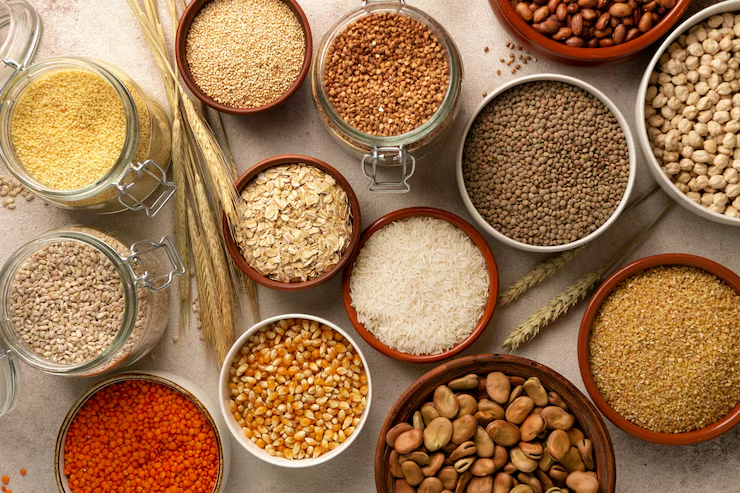
Whole grains serve as a reliable choice for healthy food for weight loss because they offer complex carbohydrates that release energy slowly. This sustained energy helps keep hunger levels stable throughout the day while supporting steady physical and mental activity. Foods such as quinoa, oats, brown rice, millet, and barley provide fiber that promotes feelings of fullness and assists digestion. These grains help reduce overeating by lowering hunger spikes while offering nutrients that support overall wellness.
Another advantage of whole grains as healthy food for weight loss lies in their support for digestive health. Their fiber content nourishes the digestive system and promotes smoother bowel function. This helps eliminate toxins naturally while improving overall gut health, which is essential for weight management. A strong digestive system allows individuals to absorb vitamins and minerals more efficiently, contributing to better immune strength and improved daily energy.
Additionally, whole grains are versatile and convenient, making them easy to incorporate into various meals aligned with healthy food for weight loss goals. They can be enjoyed at any meal and pair well with vegetables, proteins, and healthy fats. Their mild flavor blends seamlessly with both sweet and savory ingredients, allowing individuals to explore diverse recipes without feeling restricted. This flexibility ensures that individuals enjoy their meals while maintaining their health goals.
Nutritional Benefits:
High in fiber, vitamins, and essential minerals.
How to Make It:
Boil, steam, or slow-cook to soften grains for bowls, salads, and warm dishes.
Fresh Fruits as Healthy Food for Weight Loss
Fresh fruits represent a naturally sweet and refreshing category of healthy food for weight loss that supports both physical and emotional well-being. They contain vitamins, minerals, and antioxidants that strengthen the body while offering hydration and fiber. Fruits like apples, berries, pears, oranges, melons, and grapes naturally satisfy sweet cravings without the need for processed sugar, helping individuals manage their caloric intake more efficiently. This natural sweetness makes fruits a valuable part of any sustainable eating plan.
Another reason fresh fruits qualify as excellent healthy food for weight loss is their impact on digestion and metabolism. Their fiber content supports smooth digestive processes and helps regulate appetite. Fruits also contain water-rich components that support hydration, reduce bloating, and enhance overall energy. These benefits contribute to better metabolic balance, which plays an important role in long-term health and nourishment.
Fresh fruits are also extremely convenient, making them an ideal choice for individuals seeking easy options aligned with healthy food for weight loss. They require little to no preparation and can be carried anywhere as quick meals or snacks. Their natural flavors offer variety and satisfaction, keeping individuals motivated to maintain a healthy lifestyle without feeling deprived of enjoyable tastes.
Nutritional Benefits:
High in vitamins, antioxidants, and natural fiber.
How to Make It:
Wash and eat fresh, blend into smoothies, or slice into salads.
Legumes as Healthy Food for Weight Loss
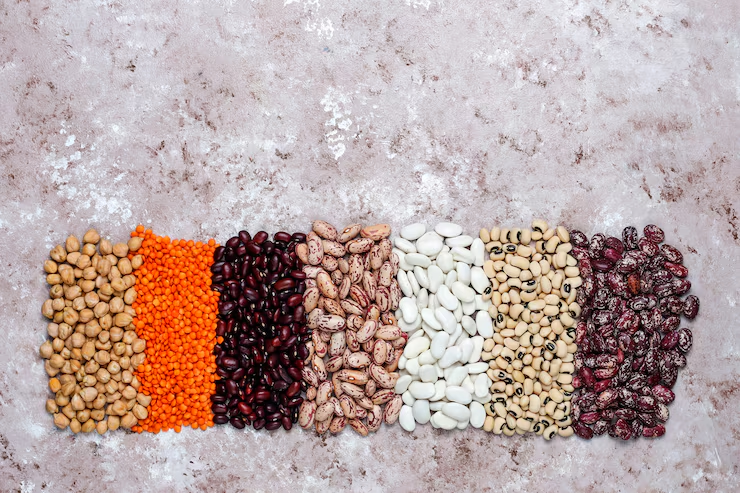
Legumes play an essential role as healthy food for weight loss because they are rich in plant-based proteins, fiber, and beneficial nutrients. Foods such as chickpeas, lentils, beans, and peas offer a satisfying texture that helps individuals feel full after meals. Their natural fiber content supports digestive balance and stabilizes hunger levels, reducing the urge to snack unnecessarily. This makes legumes an excellent option for building sustainable meals that support long-term success.
Another benefit of legumes as healthy food for weight loss lies in their ability to support heart health. Their nutrient profile helps regulate cholesterol levels, manage blood pressure, and improve overall cardiovascular function. This supports long-term vitality and protects the body against common health challenges. When individuals include legumes regularly in their meals, they feel more balanced, energized, and capable of maintaining their wellness goals.
Legumes are also incredibly versatile, making them a convenient component of meals focused on healthy food for weight loss. They blend well with soups, salads, wraps, stews, and grain bowls. Their mild flavor allows individuals to experiment with different seasonings and cooking methods, ensuring that healthy eating remains enjoyable and flavorful.
Nutritional Benefits:
High in protein, fiber, and essential minerals.
How to Make It:
Boil, steam, or simmer with spices for hearty meals.
Nuts and Seeds as Healthy Food for Weight Loss
Nuts and seeds stand out as powerful forms of healthy food for weight loss due to their concentration of healthy fats, protein, and fiber. Almonds, walnuts, chia seeds, flaxseeds, and pumpkin seeds support brain function and energy levels while keeping individuals satisfied between meals. Their nutrient density makes them ideal for reducing cravings and helping individuals build balanced eating habits.
Another reason nuts and seeds qualify as excellent healthy food for weight loss is their ability to enhance metabolic performance. The healthy fats found in these foods support hormone balance, which plays a key role in weight management and emotional stability. When consumed in moderate portions, nuts and seeds help individuals maintain steady energy while supporting heart health and cognitive function.
Nuts and seeds are also extremely convenient, making them compatible with busy lifestyles focused on healthy food for weight loss. They require no preparation and can be easily added to meals for enhanced texture and flavor. Their long shelf life and portability make them practical for daily consumption, allowing individuals to stay consistent with their health goals.
Nutritional Benefits:
Rich in healthy fats, fiber, and essential minerals.
How to Make It:
Eat raw, sprinkle over salads, blend into smoothies, or add to oatmeal.
Root Vegetables as Healthy Food for Weight Loss
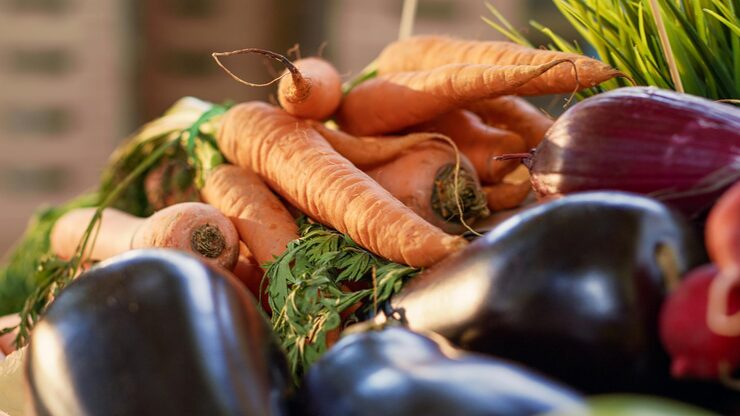
Root vegetables are a comforting and nutrient-dense category of healthy food for weight loss that offers natural sweetness and sustained energy. Foods such as sweet potatoes, carrots, turnips, and beets provide complex carbohydrates that digest slowly and keep individuals full longer. These vegetables support stable energy levels and reduce the urge to reach for processed snacks. Their fiber and vitamin content nourish the body in meaningful ways that support long-term wellness.
Another advantage of root vegetables as healthy food for weight loss is their role in supporting digestive health and metabolic balance. Their fiber content helps regulate bowel function while supporting gut health. These benefits help reduce bloating, improve nutrient absorption, and support the body’s natural detoxification processes. This makes root vegetables essential components of a balanced eating plan.
Root vegetables also offer versatility and natural flavor, making them an enjoyable part of meals aligned with healthy food for weight loss. They can be baked, roasted, steamed, or mashed for satisfying dishes that provide comfort without sacrificing nutritional value. Their natural sweetness also makes them excellent substitutes for high-calorie desserts or snacks.
Nutritional Benefits:
High in fiber, vitamins, and antioxidants.
How to Make It:
Roast with light seasoning, steam, or blend into soups.
Fermented Foods as Healthy Food for Weight Loss
Fermented foods are an exceptional form of healthy food for weight loss because they support gut health through natural probiotics. Foods such as yogurt, kefir, sauerkraut, and kimchi promote a healthy digestive system by introducing beneficial bacteria. This improves digestion, reduces bloating, and helps individuals absorb nutrients more efficiently. A healthy gut plays a vital role in managing body composition and maintaining energy throughout the day.
Another reason fermented foods qualify as valuable healthy food for weight loss is their impact on immune strength. A balanced gut microbiome supports strong immunity, helping individuals stay active and consistent with their health goals. These foods also enhance metabolic performance and emotional balance, contributing to long-term wellness.
Fermented foods are also simple to include in meals and complement a wide range of flavors commonly associated with healthy food for weight loss. They pair well with vegetables, grains, proteins, and salads. Their tangy taste adds variety to meals, making healthy eating more enjoyable and sustainable.
Nutritional Benefits:
High in probiotics, vitamins, and natural enzymes.
How to Make It:
Enjoy as a topping, mix into bowls, or pair with vegetables.
Conclusion
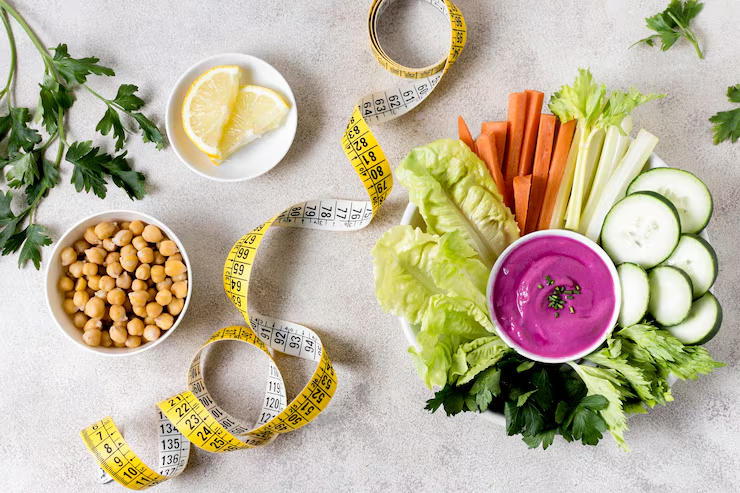
The journey toward better living becomes significantly smoother when individuals embrace the value of healthy food for weight loss as part of their everyday lifestyle. Choosing nourishing foods enables the body to function with greater efficiency, balance, and vitality. This approach not only helps individuals manage their weight naturally but also improves overall health in a sustainable and fulfilling way. By focusing on whole, nutrient-dense ingredients, individuals gain more control over their energy, digestion, and wellness. This shift supports long-term success and creates a foundation for a stronger, more purposeful lifestyle.
Another powerful aspect of building habits around healthy food for weight loss is the emotional and mental clarity that comes with mindful eating. Nutrient-rich meals stabilize energy levels, promote better cognitive function, and enhance emotional balance. These benefits help individuals remain motivated and consistent in their journey, making healthy living an empowering and rewarding experience. When individuals experience these improvements, they develop deeper motivation to continue selecting wholesome foods that support both physical and emotional well-being.
Ultimately, the consistent incorporation of healthy food for weight loss transforms the way individuals interact with their bodies and daily routines. It shifts the focus from temporary dieting practices to long-term nourishment that enhances strength, resilience, and inner confidence. Through intentional choices and mindful habits, individuals experience a renewed sense of vitality that enriches every aspect of life. This holistic approach ensures that wellness becomes an enjoyable journey rather than a restrictive challenge, paving the way for a healthier and more energized future.
FAQs
Q1. What makes healthy food for weight loss more effective than traditional diet plans
Healthy food for weight loss is more effective because it focuses on nourishing the body rather than restricting it, allowing individuals to experience natural energy, digestive balance, steady metabolism, and long-term sustainability without relying on temporary or extreme dieting methods that often lead to inconsistent results.
Q2. How often should healthy food for weight loss be included in daily meals
Healthy food for weight loss should be included in every meal to support consistent energy, stable hunger levels, and better nutrient absorption. Regular inclusion helps the body maintain metabolic balance, improves digestion, and keeps cravings under control while contributing to healthier long-term habits.
Q3. Can healthy food for weight loss help improve emotional well being and cognitive function
Healthy food for weight loss contributes to emotional wellness and cognitive clarity because nutrients from whole foods support brain function, stabilize blood sugar, and promote consistent energy. These effects reduce stress, improve focus, and help individuals maintain positive habits that enhance daily performance.
Q4. Is healthy food for weight loss suitable for individuals with busy schedules
Healthy food for weight loss is ideal for busy individuals because many options require minimal preparation while offering high nutritional value. Fresh fruits, nuts, seeds, legumes, and greens can be easily packed, allowing individuals to maintain healthy choices even during hectic routines without interruption.
Q5. Can healthy food for weight loss support long term lifestyle improvements beyond physical health
Healthy food for weight loss supports long-term lifestyle improvements by enhancing emotional stability, boosting energy, improving mental clarity, and fostering mindfulness. When individuals choose nutrient dense meals consistently, they cultivate habits that positively influence overall well being and confidence.