

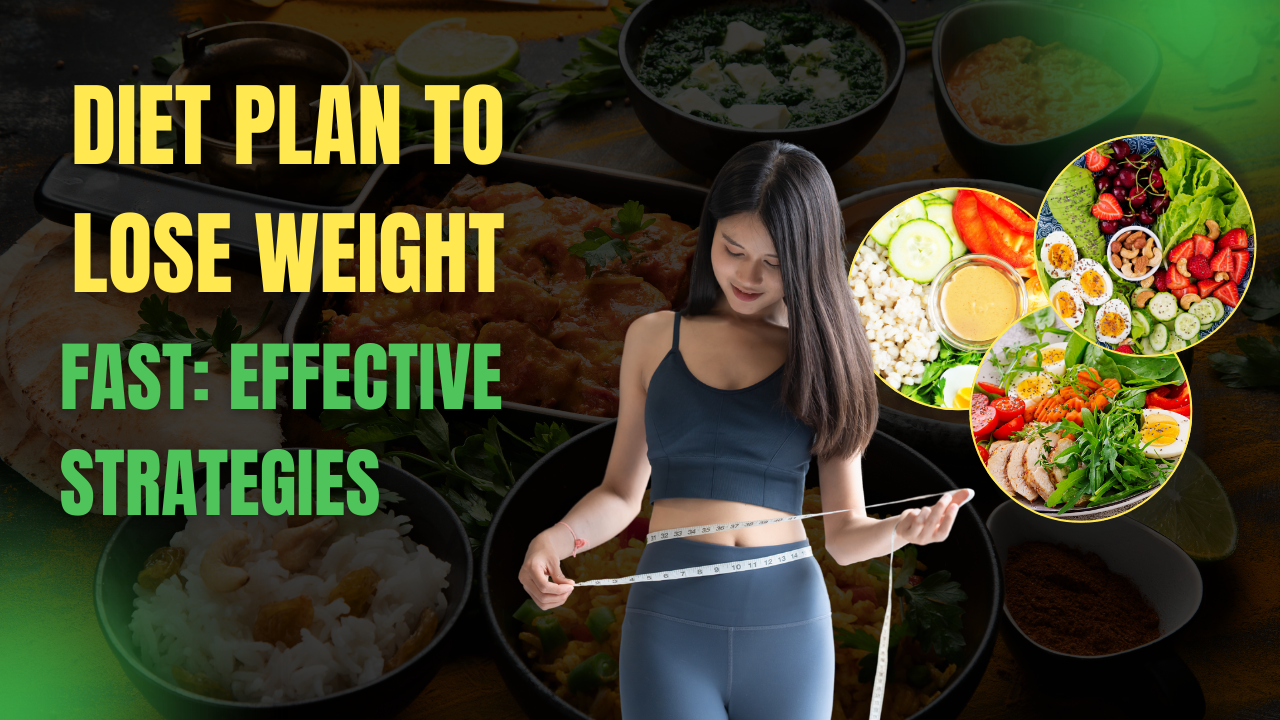
Losing weight can often feel like an overwhelming challenge, especially when faced with conflicting advice on diets and exercise plans. However, a well-structured diet plan to lose weight fast is one of the most effective ways to shed those extra pounds in a healthy, sustainable manner. In today’s fast-paced world, everyone is looking for quick results without compromising overall health. Thankfully, it is possible to design a diet plan that helps you lose weight quickly while maintaining optimal nutrition.
A diet plan to lose weight fast focuses on cutting out unhealthy foods and replacing them with nutrient-dense, whole foods that promote fat loss. The key to success lies in adopting a strategy that balances both macronutrients (proteins, fats, and carbs) and micronutrients (vitamins and minerals), ensuring that you get the energy you need while shedding unwanted fat. It is important to approach your weight loss journey with patience and consistency, focusing on sustainable habits that will keep you on track for the long run.
This article explores the most effective diet plans for weight loss, including meal planning tips, food choices, and the science behind each approach. By following these strategies, you can achieve faster weight loss results and feel more energized throughout the process. Let’s dive into the essential components of a diet plan to lose weight fast and how to get started.

What is a Diet Plan to Lose Weight Fast?
A diet plan to lose weight fast is a comprehensive eating strategy designed to promote rapid weight loss by reducing calorie intake while providing the body with the necessary nutrients for proper functioning. The diet emphasizes healthy, nutrient-rich foods that not only help in weight loss but also support overall health. By creating a calorie deficit, where you burn more calories than you consume, your body begins to break down stored fat for energy.
There are several types of diet plans to lose weight fast, each focusing on different aspects of nutrition. For example, a low-carb diet plan to lose weight fast helps reduce insulin levels, which in turn allows the body to burn fat more efficiently. By limiting carbohydrate intake, the body turns to fat stores for energy, promoting faster weight loss. Similarly, a high-protein diet plan to lose weight fast ensures muscle preservation while promoting fat loss by increasing metabolism. Protein helps preserve lean muscle, which is crucial for maintaining a high metabolic rate during weight loss.
When planning your meals, make sure to focus on whole, unprocessed foods such as vegetables, fruits, lean meats, and healthy fats. Avoid fad diets that promise extreme results but often lead to nutrient deficiencies and rebound weight gain. The best diet plan to lose weight fast is one that you can sustain over the long term, helping you achieve your weight loss goals in a healthy and balanced way.
Why is a Diet Plan to Lose Weight Fast Effective?
A diet plan to lose weight fast is effective because it provides clear structure and measurable results. Unlike random weight loss methods, a well-constructed plan takes into account the need for adequate nutrition while prioritizing weight loss. By reducing your calorie intake and increasing physical activity, you create an environment where fat burning becomes the primary source of energy. This encourages rapid weight loss without sacrificing your health or muscle mass.
Additionally, a diet plan to lose weight fast helps control hunger and cravings by prioritizing high-fiber and high-protein foods, which keep you feeling full longer. This reduces the temptation to indulge in unhealthy, calorie-dense snacks that can sabotage your progress. Moreover, having a clear plan eliminates confusion and decision fatigue, making it easier to stay on track and avoid impulsive eating choices.
Finally, a good diet plan addresses both short-term weight loss and long-term sustainability. Many people experience initial rapid weight loss, followed by a plateau. However, by carefully monitoring your progress and making adjustments when necessary, a diet plan to lose weight fast can help you continue shedding pounds over time while maintaining muscle mass and energy levels.
Key Points for a Diet Plan to Lose Weight Fast
Reduce Caloric Intake
Nutritional Benefits:
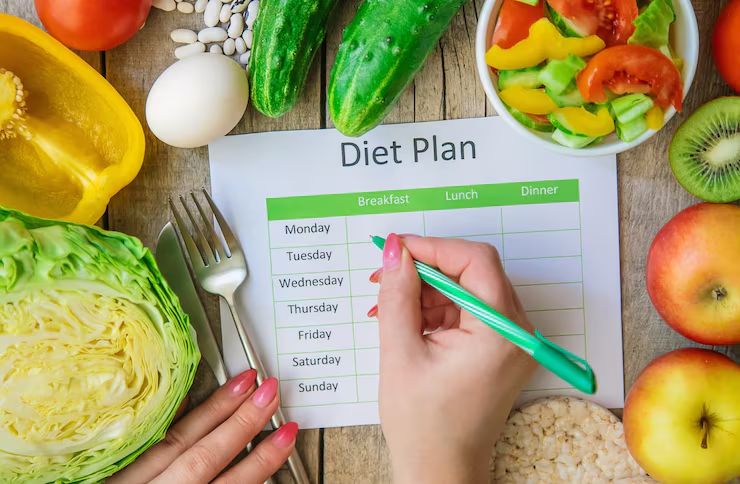
Reducing caloric intake is the cornerstone of any diet plan to lose weight fast. By consuming fewer calories than your body requires, you create a calorie deficit, forcing your body to tap into stored fat for energy. This process encourages fat burning, which leads to weight loss. When done correctly, reducing your calorie intake can help you shed pounds gradually, without risking muscle loss or nutrient deficiencies. By prioritizing nutrient-dense foods, you can maintain good health while losing weight.
Not all calories are created equal. Nutrient-dense foods, such as lean proteins, healthy fats, and fiber-rich vegetables, provide more value for fewer calories. For example, a serving of vegetables is typically low in calories but rich in vitamins, minerals, and antioxidants that support overall health. Eating foods that are high in micronutrients ensures that you’re not just reducing your calorie intake, but also improving your overall well-being.
How to Make It:
To create a sustainable calorie deficit, start by tracking your current caloric intake. You can use food-tracking apps like MyFitnessPal or a food diary to get an accurate picture of what you’re eating daily. Aim for a moderate calorie reduction of 500-750 calories per day, which generally results in a safe weight loss of about 1-1.5 pounds per week. Avoid cutting calories too drastically, as this can slow your metabolism and lead to nutritional deficiencies.
Focus on filling your plate with whole foods rather than processed options. Vegetables like spinach, kale, and broccoli are low in calories but provide a lot of volume, which helps you feel full. Lean protein sources like chicken, turkey, and fish are also calorie-efficient and help preserve muscle mass while you lose fat. By practicing portion control and cutting out empty-calorie foods like sugary drinks and packaged snacks, you can create a sustainable calorie deficit without feeling deprived.
Increase Protein Intake
Nutritional Benefits:
Protein is a vital macronutrient that plays a key role in preserving muscle mass during weight loss. As you lose fat, it’s common to also lose some muscle mass if your protein intake is insufficient. This can slow down your metabolism and make it harder to maintain weight loss in the long term. Protein helps mitigate this by promoting muscle repair and growth, especially when combined with strength training.
Furthermore, protein is highly satiating, meaning it helps curb hunger and reduces cravings. Studies show that a high-protein diet can increase feelings of fullness and decrease overall calorie consumption throughout the day. Additionally, the thermic effect of food (TEF), which refers to the energy required to digest and metabolize food, is higher for protein than for fats or carbohydrates. This means that eating more protein can boost your metabolism slightly, enhancing fat-burning efforts.
How to Make It:
To incorporate more protein into your diet plan to lose weight fast, start by adding a protein source to every meal and snack. Aim for 20-30 grams of protein per meal, which is the optimal amount to promote muscle retention and satiety. Protein-rich foods include chicken, turkey, lean beef, fish, tofu, eggs, Greek yogurt, and legumes like beans and lentils.
You can also include protein shakes or protein bars if you find it difficult to meet your protein needs through whole foods alone. Whey protein, pea protein, or soy protein are all great options. Experiment with different sources to find what works best for your body and preferences. By prioritizing protein in every meal, you’ll help control hunger and promote muscle maintenance, both of which are crucial for long-term weight loss success.
Focus on Fiber-Rich Foods
Nutritional Benefits:
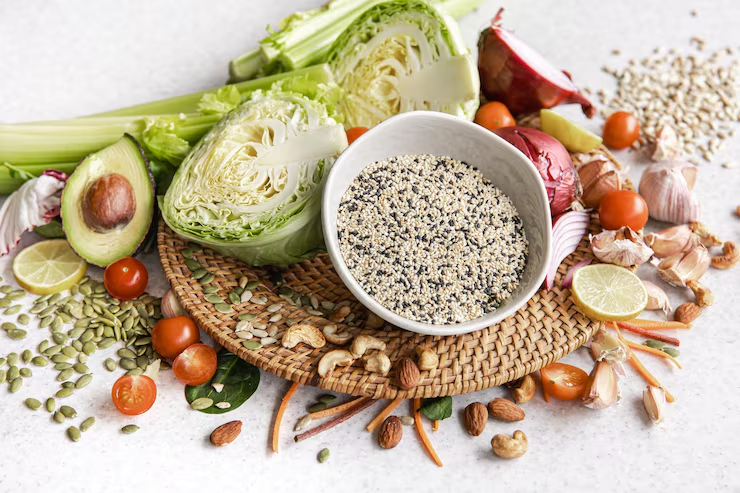
Fiber plays a critical role in a diet plan to lose weight fast by promoting digestive health and preventing overeating. High-fiber foods, such as vegetables, fruits, whole grains, and legumes, help slow down the digestion process, which keeps you feeling full longer. This helps reduce the overall calorie intake and prevents you from snacking unnecessarily between meals.
In addition to controlling hunger, fiber aids in regulating blood sugar levels, which prevents insulin spikes that can lead to fat storage. Fiber also helps lower cholesterol and promotes a healthy gut microbiome, which is essential for overall health. A healthy gut can improve your body’s ability to absorb nutrients and eliminate waste, which aids in fat loss.
How to Make It:
Incorporate fiber-rich foods into every meal by adding vegetables like spinach, kale, broccoli, and bell peppers to salads, soups, and stir-fries. Fruits such as apples, berries, and pears are excellent sources of fiber and make for great snacks. Swap out refined grains like white bread and pasta for whole grains such as quinoa, brown rice, and oats, which are richer in fiber and more filling.
Aim for at least 25-30 grams of fiber per day. If you’re not used to consuming a high-fiber diet, increase your intake gradually to prevent digestive discomfort. Drink plenty of water to help the fiber move through your digestive system smoothly. Fiber-rich foods will help keep you feeling satisfied and prevent overeating, making it easier to stick to your diet plan to lose weight fast.
Choose Healthy Fats
Nutritional Benefits:
Healthy fats are an essential component of any well-balanced diet plan to lose weight fast. Contrary to the common misconception that fat contributes to weight gain, healthy fats are crucial for maintaining overall health, regulating hormones, and supporting fat metabolism. Fats also play an important role in absorbing fat-soluble vitamins like vitamins A, D, E, and K.
Healthy fats, such as those found in avocados, nuts, seeds, and olive oil, provide long-lasting energy and help keep you full between meals, reducing the likelihood of overeating. Additionally, fats have anti-inflammatory properties that help reduce the risk of chronic diseases, including heart disease, which is particularly important when embarking on a weight loss journey.
How to Make It:
Incorporate healthy fats into your meals by adding a tablespoon of olive oil to salads or roasted vegetables, or topping your meals with avocado. Nuts and seeds, such as almonds, walnuts, and chia seeds, are excellent snacks that provide both healthy fats and protein. You can also include fatty fish like salmon or mackerel, which are rich in omega-3 fatty acids that support heart health and fat metabolism.
Be mindful of portion sizes, as fats are calorie-dense. While healthy fats are beneficial, they should still be consumed in moderation to avoid exceeding your daily calorie target. By focusing on healthy fat sources, you’ll enhance your satiety levels and improve the nutritional quality of your diet.
Limit Refined Carbs and Sugar
Nutritional Benefits:
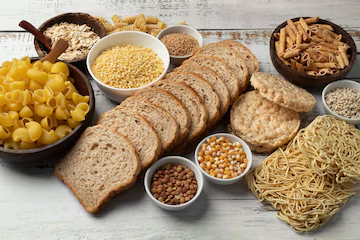
Refined carbohydrates and sugar are one of the biggest culprits when it comes to weight gain and poor health. These foods cause rapid spikes in blood sugar, leading to insulin surges that promote fat storage, particularly around the abdomen. Additionally, refined carbs and sugary foods provide little nutritional value and are often empty calories that contribute to weight gain without offering essential nutrients.
Cutting back on refined carbs and sugar can help regulate blood sugar levels, control hunger, and promote fat burning. By focusing on whole foods like vegetables, fruits, and whole grains, you ensure that your body receives a steady supply of energy, rather than the rollercoaster of blood sugar highs and crashes that come with processed foods.
How to Make It:
Start by eliminating processed foods such as sugary cereals, baked goods, and candy from your diet. Replace them with whole food alternatives, such as fresh fruits, oats, and legumes. Avoid sugary drinks like soda, energy drinks, and fruit juices, opting for water, herbal teas, or sparkling water instead. Choose whole grains like brown rice, quinoa, and whole-wheat pasta over refined grains, which are more nutrient-dense and support steady energy levels.
By making these changes, you’ll stabilize your blood sugar and support fat-burning, making your diet plan to lose weight fast more effective in the long run.
Stay Hydrated
Nutritional Benefits:
Water plays an essential role in metabolism and weight loss. Staying well-hydrated ensures that your body functions optimally, including fat burning. Drinking water before meals can also help control hunger, as it fills the stomach and reduces the likelihood of overeating. Moreover, water is crucial for digestion, helping to break down food and absorb nutrients more effectively.
Hydration also supports the detoxification process, flushing out toxins and waste products that can accumulate in the body. Adequate hydration helps the kidneys and liver work efficiently, which is crucial for metabolizing fat and maintaining overall health. Dehydration, on the other hand, can slow down your metabolism and hinder weight loss efforts.
How to Make It:
Drink at least 8-10 cups of water per day, or more if you’re active or live in a hot climate. Carry a water bottle with you to remind yourself to drink water throughout the day. You can also add lemon or cucumber slices to your water for a refreshing taste. Herbal teas, such as green tea or peppermint tea, can also contribute to hydration while offering additional health benefits, like boosting metabolism.
Plan Your Meals Ahead

Nutritional Benefits:
Meal planning is one of the most effective strategies to ensure consistent progress in a diet plan to lose weight fast. When you plan your meals in advance, you’re more likely to make healthier choices and avoid the temptation of quick, unhealthy foods. Meal planning helps you control portions and allows you to incorporate a variety of nutrient-dense foods, ensuring that you’re getting a balanced diet.
Planning meals ahead also helps you avoid emotional eating or making impulsive food choices. By knowing exactly what you’ll be eating, you can prepare meals that align with your weight loss goals, and you’ll save time during the week. Additionally, preparing meals in bulk ensures you have access to healthy food, even on your busiest days.
How to Make It:
Set aside time each week (typically on Sundays) to plan your meals for the upcoming week as part of your diet plan to lose weight fast. Meal planning ensures that you’re consistently consuming foods that align with your weight loss goals, helping you stay organized and avoid last-minute, unhealthy choices. Start by choosing recipes that fit within your calorie target and focus on nutrient-dense, whole foods. This ensures you’re fueling your body with the right nutrients while staying within your caloric limits.
If you’re short on time during the week, prepping ingredients in advance—like chopping vegetables or cooking grains—can make the cooking process faster. You can also prepare snacks ahead of time, like portioned servings of nuts, fruits, or yogurt, to prevent overeating. Sticking to a weekly meal plan ensures that you’re eating the right foods at the right time, making it easier to maintain your diet plan to lose weight fast.
Incorporate Physical Activity
Nutritional Benefits:
Exercise is a powerful tool that supports a diet plan to lose weight fast by increasing the number of calories you burn and boosting your metabolism. Physical activity, particularly strength training and cardiovascular exercises, accelerates fat loss and builds lean muscle. Muscle tissue burns more calories at rest compared to fat, so increasing your muscle mass through exercise will help you continue burning fat, even when you’re not actively working out.
Exercise also improves overall health by enhancing cardiovascular fitness, increasing energy levels, and promoting better mood and mental health, all of which are essential components of a successful diet plan to lose weight fast. Regular physical activity not only helps with weight loss but also strengthens the heart, improves circulation, and reduces the risk of chronic diseases.
How to Make It:
Aim for a balanced fitness routine that includes both cardio and strength training as part of your diet plan to lose weight fast. Cardio exercises, such as running, cycling, swimming, or walking, are great options for burning calories and enhancing fat loss. Incorporating cardio into your diet plan to lose weight fast helps boost your metabolism and accelerates the calorie-burning process, making it easier to shed unwanted pounds.
Incorporate strength training exercises—such as weightlifting, bodyweight exercises (like squats, push-ups, and lunges), or resistance band exercises—two to three times per week. Strength training helps build muscle, increases metabolism, and tones your body, making it an essential part of a diet plan to lose weight fast. You can also add high-intensity interval training (HIIT) for a more intense fat-burning workout, which can be particularly effective for rapid weight loss.
Conclusion

A diet plan to lose weight fast can help you achieve your weight loss goals quickly while ensuring that your body gets the nutrients it needs. By focusing on whole foods, protein, fiber, and healthy fats, and staying hydrated, you can create a plan that supports sustainable weight loss. Remember, consistency is key, and adopting these habits over time will help you maintain your results.
Incorporating regular exercise into your routine will further enhance your weight loss efforts. Strength training and cardio help burn calories and incr ease metabolism, making your diet plan to lose weight fast even more effective. With a combination of a well-balanced diet and exercise, you’ll not only lose weight but also improve your overall health.
Finally, always listen to your body and make adjustments when necessary to stay aligned with your diet plan to lose weight fast. Weight loss is a dynamic process, and what works for you at one stage might need modification as you progress. If you encounter challenges along the way, don’t hesitate to seek support from professionals or trusted sources who can guide you through obstacles and help you stay on track. Consulting with a nutritionist or fitness expert can provide valuable insights and help you optimize your diet plan to lose weight fast.
FAQ’s
Q1. How quickly can I expect to lose weight with a diet plan to lose weight fast?
The speed of weight loss varies depending on individual factors such as metabolism, age, and activity level. On average, a healthy rate of weight loss is around one to two pounds per week.
Q2. Can I still eat my favorite foods on a diet plan to lose weight fast?
Yes, you can! The key is moderation. You can occasionally indulge in your favorite foods, but it’s essential to balance them with healthy, nutrient-dense meals to avoid sabotaging your progress.
Q3. Is exercise necessary for a diet plan to lose weight fast?
While diet plays the most significant role in weight loss, exercise can accelerate the process and help you build lean muscle mass. A combination of both is the most effective approach.
Q4. What should I do if I hit a weight loss plateau?
If you reach a plateau, try adjusting your calorie intake or increasing your physical activity. Sometimes, your body needs a change in routine to continue losing weight.
Q5. How can I stay motivated on a diet plan to lose weight fast?
Staying motivated requires setting realistic goals, tracking progress, and surrounding yourself with support. Celebrating small victories along the way can help keep you on track.