


A balanced diet for weight loss is not about starving yourself, skipping meals, or following extreme food trends that promise instant transformation. It is about nourishing your body with the right combination of nutrients so that you can lose weight in a healthy, sustainable, and positive way. In today’s fast paced world, many people struggle with weight management because of processed foods, irregular eating habits, and sedentary lifestyles. A diet for weight loss provides a structured yet flexible approach that supports your body’s natural metabolism while helping you feel energetic and satisfied throughout the day.
When people think about weight loss, they often imagine strict rules and endless restrictions. However, a balanced diet for weight loss focuses on harmony rather than deprivation. It encourages the inclusion of whole foods such as fruits, vegetables, lean proteins, healthy fats, and whole grains in appropriate portions. This approach ensures that your body receives essential vitamins, minerals, and macronutrients while gradually reducing excess body fat. Instead of short term results, a diet for weight loss promotes long term success by building healthy habits that can be maintained for life.
Another important aspect of a balanced diet for weight loss is its impact on overall well being. Weight management is closely linked to improved heart health, better digestion, stable blood sugar levels, and enhanced mental clarity. When your body is properly nourished, cravings decrease, energy levels improve, and your mood becomes more stable. By choosing a balanced diet for weight loss, you are not only working toward a slimmer figure but also investing in a healthier and happier future.
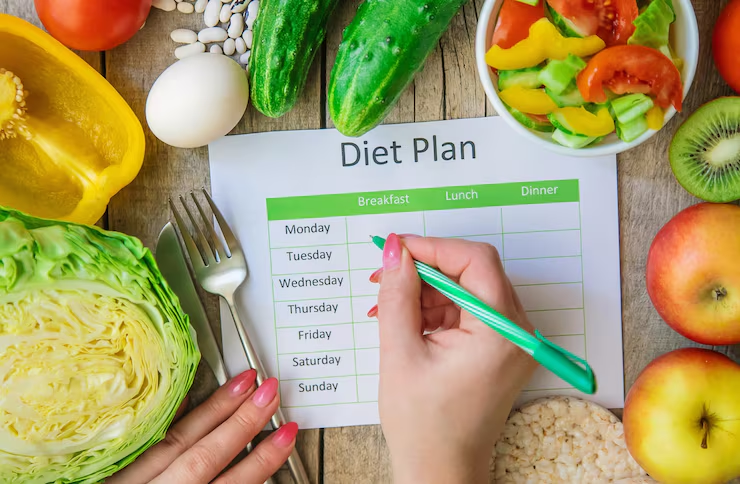
What Is a Balanced Diet for Weight Loss and Why It Matters
A balanced diet for weight loss is a nutritional plan that includes all major food groups in the right proportions to support fat loss while maintaining muscle mass and overall health. It does not eliminate carbohydrates, fats, or proteins completely. Instead, it focuses on choosing high quality sources of each nutrient and consuming them in mindful portions. A diet for weight loss ensures that your body gets the fuel it needs without storing excess calories as fat.
The reason a balanced diet for weight loss is so effective lies in its sustainability. Crash diets often lead to rapid weight reduction followed by weight regain because they are too restrictive. In contrast, a diet for weight loss supports gradual progress, allowing your metabolism to adapt naturally. It helps regulate appetite hormones, reduces unhealthy cravings, and encourages better portion control. This steady approach reduces the risk of nutritional deficiencies and keeps your body functioning optimally.
Understanding why a diet for weight loss matters also means recognizing its role in preventing chronic diseases. Obesity is linked to conditions such as heart disease, diabetes, and joint problems. By following a balanced diet for weight loss, you support healthy cholesterol levels, balanced blood sugar, and improved cardiovascular function. Ultimately, this method is not just about looking good; it is about feeling strong, confident, and vibrant every day.
Powerful Benefits for a Healthier and Happier Life
Include Lean Proteins for Sustainable Fat Loss

Lean proteins are a cornerstone of a balanced diet for weight loss because they help preserve muscle mass while promoting fat burning. Protein increases satiety, meaning you feel full for longer periods, which naturally reduces overeating. When included regularly in a diet for weight loss, lean proteins such as chicken, fish, tofu, legumes, and low fat dairy support metabolism and stabilize blood sugar levels.
A balanced diet for weight loss that emphasizes protein also helps control cravings. Many people experience hunger soon after eating meals high in refined carbohydrates. By adding lean protein to every meal, you create a more satisfying and balanced nutritional profile. This steady energy release prevents sudden spikes and crashes that can lead to unhealthy snacking.
Nutritional Benefits:
Lean proteins provide essential amino acids necessary for muscle repair and growth. They also support immune function and hormone production. Within a balanced diet for weight loss, protein plays a critical role in maintaining lean body mass, especially during calorie reduction.
How to Make It:
Incorporate grilled chicken, baked fish, lentils, beans, or tofu into your meals. Pair them with vegetables and whole grains to create a complete balanced diet for weight loss plate. Avoid deep frying and opt for baking, steaming, or grilling to preserve nutrients.
Choose Whole Grains Over Refined Carbohydrates
Whole grains are an essential part of a balanced diet for weight loss because they provide fiber, vitamins, and minerals that refined grains lack. Fiber aids digestion and promotes a feeling of fullness, which helps manage portion sizes naturally. When you include whole grains in a diet for weight loss, you supply your body with sustained energy rather than quick sugar spikes.
Refined carbohydrates can lead to rapid increases in blood sugar, followed by crashes that trigger hunger. A balanced diet for weight loss focuses on complex carbohydrates such as brown rice, oats, quinoa, and whole wheat products. These foods digest slowly and keep you satisfied for longer periods.
Nutritional Benefits:
Whole grains are rich in fiber, B vitamins, and antioxidants. They support heart health and digestive wellness. In a balanced diet for weight loss, they help regulate blood sugar and improve gut health, which plays a role in effective weight management.
How to Make It:
Replace white bread, white rice, and sugary cereals with whole grain alternatives. Prepare oatmeal for breakfast or use quinoa as a base for salads. This simple swap strengthens your balanced diet for weight loss without making you feel deprived.
Prioritize Fresh Fruits and Vegetables
Fresh fruits and vegetables are fundamental to a balanced diet for weight loss because they are low in calories yet high in nutrients. They add volume to your meals, helping you feel full without consuming excessive calories. A balanced diet for weight loss rich in colorful produce ensures that you receive a wide range of vitamins and antioxidants.
Vegetables such as leafy greens, broccoli, carrots, and bell peppers provide fiber that supports digestion and weight control. Fruits like berries, apples, and oranges offer natural sweetness, reducing the need for processed desserts. By including a variety of produce, a balanced diet for weight loss becomes both nutritious and satisfying.
Nutritional Benefits:
Fruits and vegetables provide essential nutrients like vitamin C, potassium, and folate. They also contain antioxidants that protect cells from damage. Within a balanced diet for weight loss, these nutrients support immunity and overall vitality.
How to Make It:
Fill half of your plate with vegetables at lunch and dinner. Add fruit to your breakfast or enjoy it as a snack. Preparing salads, smoothies, and stir fries makes your balanced diet for weight loss diverse and enjoyable.
Incorporate Healthy Fats in Moderation
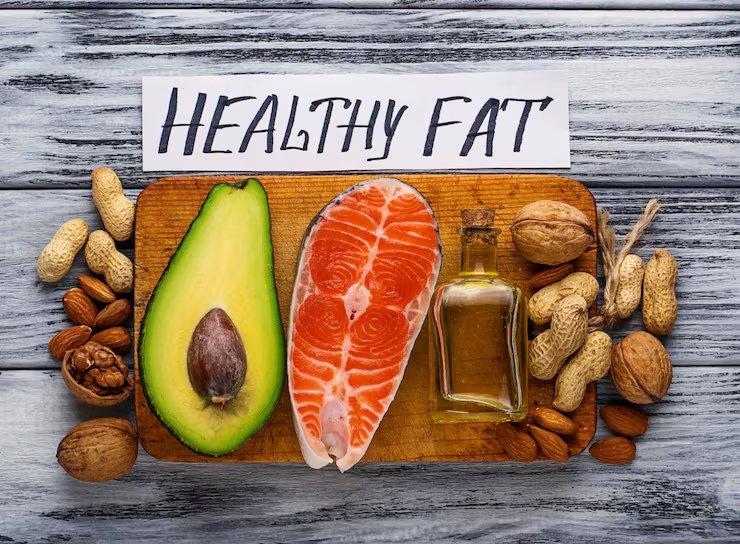
Healthy fats are often misunderstood, yet they are crucial in a balanced diet for weight loss. Sources such as avocados, nuts, seeds, and olive oil provide essential fatty acids that support brain function and hormone balance. Including moderate amounts of healthy fats in a balanced diet for weight loss enhances satiety and prevents overeating.
Completely eliminating fats can lead to nutrient deficiencies and increased cravings. A balanced diet for weight loss focuses on quality rather than quantity. Healthy fats slow digestion, which helps maintain stable energy levels throughout the day.
Nutritional Benefits:
Healthy fats support heart health and help absorb fat soluble vitamins. In a balanced diet for weight loss, they contribute to improved cholesterol levels and better metabolic function.
How to Make It:
Use olive oil for cooking instead of butter. Add a handful of nuts to salads or yogurt. By measuring portions carefully, you can enjoy fats while maintaining a balanced diet for weight loss.
Stay Hydrated for Optimal Metabolism
Hydration is often overlooked in a balanced diet for weight loss. Drinking enough water supports digestion, nutrient absorption, and metabolism. Sometimes thirst is mistaken for hunger, leading to unnecessary calorie intake. A balanced diet for weight loss includes adequate water consumption to prevent this confusion.
Water also helps the body eliminate waste and maintain proper cellular function. When hydration is prioritized, energy levels improve and workouts become more effective. A balanced diet for weight loss combined with proper hydration accelerates healthy progress.
Nutritional Benefits:
Water supports every system in the body. In the context of a balanced diet for weight loss, hydration enhances metabolic efficiency and helps control appetite.
How to Make It:
Drink water throughout the day and before meals. Replace sugary beverages with herbal teas or infused water. Consistent hydration strengthens your balanced diet for weight loss efforts.
Practice Portion Control Mindfully
Portion control is a vital element of a balanced diet for weight loss. Even healthy foods can contribute to weight gain if consumed in excessive amounts. Learning to recognize appropriate serving sizes ensures that calorie intake aligns with weight loss goals.
A balanced diet for weight loss encourages mindful eating habits. Eating slowly, savoring each bite, and paying attention to hunger cues can prevent overeating. This awareness builds a healthier relationship with food.
Nutritional Benefits:
Controlled portions prevent excessive calorie intake while still providing essential nutrients. Within a balanced diet for weight loss, portion awareness supports steady and sustainable results.
How to Make It:
Use smaller plates, avoid distractions during meals, and listen to your body’s signals. These simple strategies enhance the effectiveness of your balanced diet for weight loss.
Limit Processed and Sugary Foods

Reducing processed foods is crucial in a balanced diet for weight loss. These foods often contain added sugars, unhealthy fats, and excess sodium. They provide empty calories that hinder progress. A balanced diet for weight loss emphasizes whole, natural ingredients instead.
Frequent consumption of sugary snacks and beverages can lead to insulin spikes and increased fat storage. By minimizing these items, a balanced diet for weight loss becomes more nutrient dense and supportive of long term health.
Nutritional Benefits:
Limiting processed foods reduces inflammation and supports stable blood sugar levels. In a balanced diet for weight loss, this practice enhances metabolic balance and overall wellness.
How to Make It:
Cook meals at home using fresh ingredients. Read food labels carefully and choose products with minimal additives. This mindful approach strengthens your balanced diet for weight loss.
Plan and Prepare Meals in Advance
Meal planning is a powerful strategy within a balanced diet for loss weight. Preparing meals ahead of time reduces the temptation to choose unhealthy options. It ensures that nutritious ingredients are always available.
A balanced diet for weight loss becomes easier to follow when meals are structured and intentional. Planning allows you to balance macronutrients effectively and avoid last minute decisions driven by hunger.
Nutritional Benefits:
Meal preparation supports consistent nutrient intake and portion control. Within a balanced diet for weight loss, planning reduces stress and enhances dietary adherence.
How to Make It:
Set aside time each week to plan menus and prepare ingredients. Store healthy snacks and ready to eat meals in the refrigerator. Organization makes your balanced diet for weight loss practical and sustainable.
Maintain Consistency and Lifestyle Balance
Maintaining consistency is one of the most important factors in achieving long term success with a balanced diet for weight loss. Many people start with enthusiasm but struggle to stay committed when results are not immediate. Consistency means making healthy food choices regularly rather than seeking perfection every day. A balanced diet for loss weight works best when it becomes part of your daily routine, not a temporary effort. Eating nutritious meals, staying mindful of portions, and avoiding frequent indulgence in unhealthy foods help the body adapt gradually. Over time, these consistent habits train your metabolism to function efficiently and support steady, healthy fat loss without causing physical or mental exhaustion.
Lifestyle balance plays an equally important role alongside dietary consistency. Weight loss is not influenced by food choices alone but also by sleep quality, stress management, and physical activity. A balanced diet for loss weight should be supported by adequate rest, as poor sleep can disrupt hunger hormones and increase cravings. Managing stress through relaxation techniques, light exercise, or mindfulness helps prevent emotional eating. When lifestyle factors are aligned with healthy eating habits, the body responds more positively, making weight management smoother and more sustainable. This balanced approach ensures that weight loss does not feel overwhelming or restrictive.
Nutritional Benefits:
Consistency supports metabolic stability and hormonal balance. In a balanced diet for weight loss, steady habits create predictable and healthy progress.
How to Make It:
Set realistic goals, track your meals, and celebrate small achievements. Align your balanced diet for weight loss with a routine that supports long term commitment.
Conclusion

A balanced diet for weight loss is a powerful and sustainable approach to achieving a healthier body and mind. Unlike restrictive plans that focus on rapid changes, this method emphasizes nourishment, moderation, and consistency. By including lean proteins, whole grains, fresh produce, and healthy fats, a balanced diet for loss weight ensures that your body receives essential nutrients while gradually reducing excess fat. This steady progress supports long term success and prevents the cycle of weight loss and regain.
Beyond physical transformation, a balanced diet for weight loss enhances overall well being. Improved digestion, stable energy levels, better heart health, and enhanced mental clarity are just a few of the benefits that accompany this approach. When you prioritize whole foods and mindful portion control, your relationship with food becomes healthier and more positive. A balanced diet for loss weight encourages awareness, discipline, and self care without promoting guilt or deprivation.
Ultimately, choosing a balanced diet for weight loss means committing to a lifestyle that values health, vitality, and sustainability. It is about making informed food choices, staying consistent, and understanding that meaningful change takes time. By embracing this holistic approach, you create a foundation for lasting wellness, improved confidence, and a happier life driven by balanced nutrition and mindful habits.
FAQ’s
Q1. What makes a balanced diet for weight loss different from other diets?
A balanced diet for weight loss differs from restrictive diets because it includes all major food groups in appropriate proportions. Instead of eliminating entire categories of food, it emphasizes moderation, nutrient density, and sustainability. This approach supports long term health, stable metabolism, and gradual fat loss without causing severe nutrient deficiencies or extreme hunger.
Q2. Can a balanced diet for weight loss help improve overall health beyond shedding pounds?
Yes, a balanced diet for weight loss offers benefits beyond reducing body fat. It supports heart health, stabilizes blood sugar levels, improves digestion, and enhances mental clarity. By providing essential nutrients consistently, this dietary approach strengthens immunity and reduces the risk of chronic conditions associated with poor eating habits.
Q3. How long does it take to see results with a balanced diet for weight loss?
The timeline for visible changes varies depending on individual factors such as metabolism, activity level, and consistency. A balanced diet for weight loss promotes gradual and steady progress rather than rapid transformation. With dedication and mindful eating, many people notice improved energy, better digestion, and gradual fat reduction over time.
Q4. Is exercise necessary when following a balanced diet for weight loss?
While a balanced diet for weight loss can support fat reduction on its own, combining it with regular physical activity enhances results. Exercise helps preserve muscle mass, increase calorie expenditure, and improve cardiovascular health. Together, healthy eating and movement create a comprehensive and sustainable weight management strategy.
Q5. Can a balanced diet for weight loss be customized for different dietary preferences?
A balanced diet for weight loss is highly adaptable and can be tailored to vegetarian, vegan, or culturally specific eating patterns. The key principle is maintaining nutrient balance and portion control. By selecting appropriate protein sources, whole grains, and healthy fats, individuals can personalize their plan while achieving effective results.