

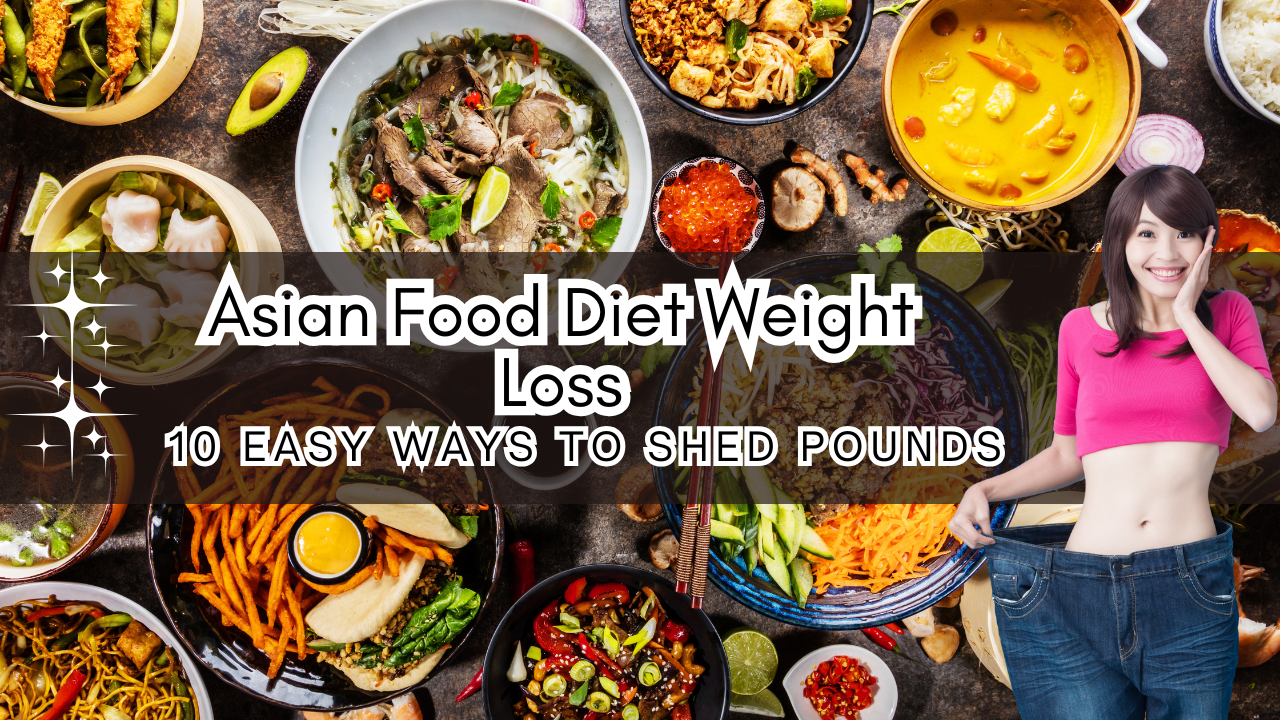
Maintaining a healthy weight is a goal for millions worldwide, and one of the most effective ways to achieve this is through a well-balanced diet. Among the myriad of dietary choices, the asian food diet weight loss approach has gained significant popularity. This diet is rooted in traditional Asian cuisine, which emphasizes fresh vegetables, lean proteins, and nutrient-dense foods. Unlike fad diets, the food diet weight loss plan promotes sustainable and long-term weight management, making it a reliable choice for anyone looking to shed extra pounds while maintaining overall wellness.
The beauty of the food diet weight loss lies in its simplicity and versatility. Meals are generally low in processed ingredients and high in natural, whole foods, which makes them not only healthier but also satisfying. Rich in flavors and textures, Asian cuisine incorporates fermented foods, herbal ingredients, and spices that can improve digestion and boost metabolism. The asian food diet weight loss is more than just about reducing calories—it’s about making mindful food choices that nourish your body while helping you achieve your fitness goals.
Moreover, research has shown that diets emphasizing vegetables, lean proteins, and moderate carbohydrate intake can significantly contribute to weight loss. The food diet weight loss incorporates these principles, making it both effective and sustainable. From miso soup to stir-fried vegetables and sushi rolls made with fresh fish and brown rice, this diet encourages meals that are low in calories but rich in essential nutrients. By adopting the asian food diet weight loss, individuals can enjoy diverse, delicious foods while naturally supporting their weight loss journey. 🌿

What is Asian Food Diet Weight Loss?
The asian food diet weight loss is a dietary approach inspired by traditional eating patterns in countries like Japan, Korea, China, and Thailand. It emphasizes fresh vegetables, lean proteins such as fish and tofu, and whole grains like brown rice and quinoa. Unlike restrictive fad diets, the food diet weight loss focuses on portion control, nutrient-dense meals, and balanced nutrition.
At its core, the food diet weight loss promotes foods rich in fiber, antioxidants, and essential vitamins. Vegetables like bok choy, spinach, and cabbage are staples, while fermented foods like kimchi and miso provide gut-friendly probiotics that enhance digestion. Lean proteins such as chicken, fish, and tofu help maintain muscle mass while promoting fat loss. By following the asian food diet weight loss, individuals can experience steady weight reduction without compromising energy levels or nutritional needs.
In addition, the food diet weight loss encourages mindful eating practices. Meals are typically smaller in portion but frequent throughout the day, which helps stabilize blood sugar levels and reduces overeating. With low-calorie, high-nutrient meals, this diet also supports long-term metabolic health. It’s not just a temporary solution; the asian food diet weight loss is a lifestyle choice that nurtures both body and mind. 🥢
Why Choose Asian Food Diet for Weight Loss?
Adopting the asian food diet weight loss offers numerous benefits beyond simple weight reduction. First, it focuses on whole, unprocessed foods, which are naturally lower in calories but higher in nutrients. This means you can eat satisfying meals without consuming excessive calories, making it easier to maintain a calorie deficit essential for weight loss.
Second, the food diet weight loss is rich in antioxidants and anti-inflammatory compounds found in vegetables, herbs, and spices. These nutrients support fat metabolism, improve digestion, and enhance overall health. Incorporating foods like ginger, garlic, green tea, and turmeric can accelerate metabolism and promote fat burning naturally.
Third, the asian food diet weight loss encourages sustainable habits rather than quick fixes. By incorporating balanced meals and mindful eating, it reduces the risk of yo-yo dieting. This approach ensures that individuals not only lose weight but also maintain a healthy body composition over time. 🌱
Lastly, the diversity of flavors and dishes in the asian food diet weight loss keeps the diet enjoyable, reducing the chances of cravings and diet fatigue. From sushi bowls to stir-fried vegetables and miso soups, the meals are both satisfying and beneficial for your waistline. Adopting this diet creates a healthy relationship with food while supporting consistent weight loss.
Proven Points for Asian Food Diet Weight Loss
Emphasis on Fresh Vegetables 🥬
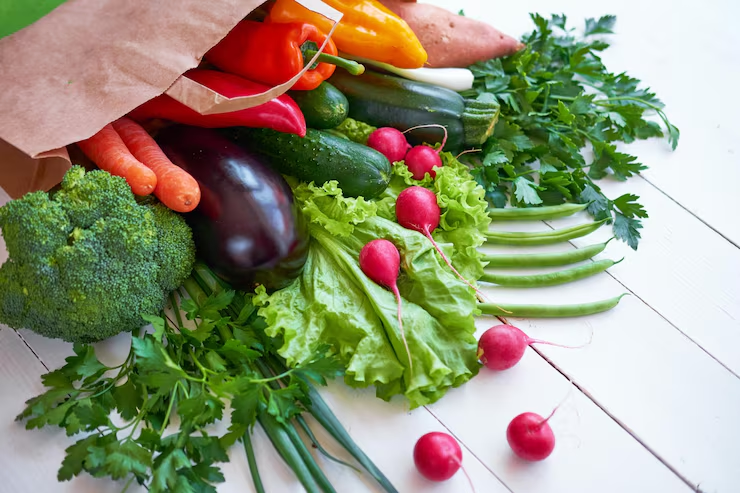
Fresh vegetables form the foundation of the asian food diet weight loss. Vegetables like bok choy, napa cabbage, spinach, and kale are rich in vitamins A, C, K, and essential minerals such as calcium and iron. These nutrients support overall health, boost immunity, and contribute to weight management. In the food diet weight loss, vegetables are consumed in generous portions to ensure satiety without adding excessive calories. High-fiber vegetables slow digestion, helping you feel full longer and reducing the temptation to snack on high-calorie foods.
Cooking methods in the asian food diet weight loss often preserve the natural nutrients of vegetables. Steaming, blanching, and stir-frying with minimal oil ensures that essential vitamins are not lost. Vegetables also provide antioxidants that reduce inflammation and support fat metabolism. Dieters following the food diet weight loss can include a variety of colorful vegetables in every meal, which improves nutrient intake while keeping the diet exciting and flavorful. This approach ensures that you stay nourished while promoting steady, sustainable weight loss.
Additionally, the food diet weight loss encourages incorporating vegetables as snacks and side dishes. Raw or lightly pickled vegetables, like cucumber slices or carrot sticks, can be enjoyed between meals, reducing cravings for unhealthy foods. Fermented vegetables like kimchi not only add flavor but also support gut health, which plays a significant role in weight management. By emphasizing fresh vegetables, the asian food diet weight loss provides a natural, low-calorie foundation that promotes both health and long-term fat loss.
Lean Proteins like Fish and Tofu 🐟
Protein is essential for muscle maintenance and fat burning, and the asian food diet weight loss emphasizes lean proteins such as fish, chicken, and tofu. Fish like salmon, mackerel, and sardines are rich in omega-3 fatty acids, which reduce inflammation, improve heart health, and support metabolism. Tofu and tempeh are plant-based proteins that provide essential amino acids while remaining low in calories. Incorporating these proteins into the food diet weight loss helps preserve lean muscle mass during weight loss, which is crucial for maintaining a healthy metabolic rate.
The asian food diet weight loss also focuses on preparation techniques that retain protein quality while minimizing added fats. Grilling, steaming, or lightly stir-frying protein sources ensures meals are nutrient-dense and low in unnecessary calories. For example, a tofu stir-fry with fresh vegetables provides protein, fiber, and essential micronutrients in one balanced meal. Including lean proteins in every meal prevents energy crashes, reduces cravings, and supports sustained fat loss.
Furthermore, protein in the food diet weight loss promotes satiety, which helps dieters naturally consume fewer calories throughout the day. Proteins slow digestion and stimulate hormones that signal fullness, making it easier to maintain a calorie deficit. Fish and tofu also contain micronutrients like selenium and iron, which support metabolism and overall health. By prioritizing lean proteins, the asian food diet weight loss creates a balanced and satisfying dietary approach that promotes steady, healthy weight loss.
Whole Grains for Sustained Energy 🍚
Whole grains are a cornerstone of the asian food diet weight loss, providing slow-digesting carbohydrates that fuel the body and stabilize blood sugar levels. Brown rice, quinoa, barley, and millet are preferred over refined grains because they contain more fiber, vitamins, and minerals. Fiber slows digestion, improves satiety, and reduces overeating, which makes whole grains an essential component of the food diet weight loss. These grains not only provide sustained energy but also support digestive health and metabolic function.
Cooking methods in the asian food diet weight loss prioritize retaining the nutritional integrity of grains. Steaming or boiling whole grains ensures that their natural fiber and micronutrients are preserved. Combining grains with vegetables and lean proteins creates balanced meals that enhance fat loss and prevent energy dips throughout the day. Whole grains also release glucose slowly into the bloodstream, which stabilizes insulin levels, a key factor in managing weight effectively.
Additionally, the food diet weight loss encourages diversity in grain consumption to prevent monotony and provide a wide spectrum of nutrients. For example, pairing brown rice with a vegetable stir-fry or quinoa with miso-glazed tofu ensures a balanced intake of fiber, protein, and essential vitamins. This approach supports both weight loss and overall health. Whole grains in the asian food diet weight loss not only promote fat loss but also improve digestive efficiency, making them a critical component of a sustainable and satisfying dietary plan.
Fermented Foods for Gut Health 🥢
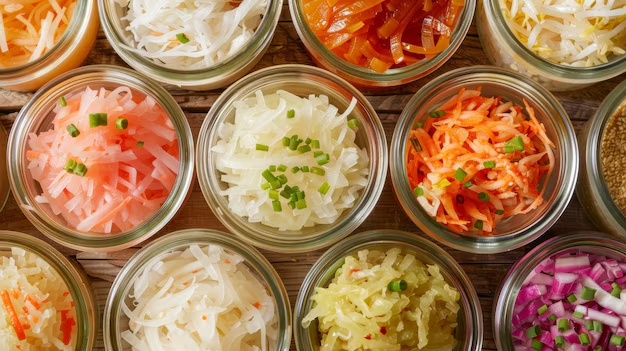
Fermented foods are a unique highlight of the asian food diet weight loss due to their probiotic content. Kimchi, miso, tempeh, and pickled vegetables introduce beneficial bacteria into the gut, which improves digestion and nutrient absorption. A healthy gut microbiome is closely linked to weight management, as it can influence fat storage, metabolism, and inflammation. Including fermented foods in the food diet weight loss supports these processes, helping dieters achieve sustainable results.
The asian food diet weight loss utilizes fermented foods not only for their health benefits but also for their ability to enhance flavor without adding extra calories. Fermented sauces, pickled vegetables, and miso-based dishes add depth and complexity to meals while promoting digestive health. Probiotics found in these foods help reduce bloating, improve bowel regularity, and regulate appetite hormones.
Moreover, regular consumption of fermented foods in the food diet weight loss contributes to long-term health and wellness. A balanced gut microbiome improves immune function, nutrient absorption, and metabolic efficiency. By integrating fermented foods into daily meals, the asian food diet weight loss provides a natural, flavorful, and effective way to support weight loss while enhancing overall health.
Low-Calorie, Flavorful Cooking Techniques 🔥
One of the key principles of the asian food diet weight loss is cooking that maximizes flavor without increasing calories. Techniques like steaming, boiling, grilling, and stir-frying with minimal oil are preferred. These methods preserve nutrients and reduce fat content, ensuring meals remain healthy and low-calorie. Flavor comes from herbs, spices, and natural sauces instead of heavy oils or butter. Such techniques make the food diet weight loss both satisfying and effective.
Stir-frying with small amounts of sesame or olive oil enhances taste while retaining the nutrients in vegetables and proteins. Herbs like ginger, garlic, lemongrass, and chili add aroma and depth to dishes without adding calories. Low-calorie cooking methods are essential for the asian food diet weight loss because they help create meals that are nutrient-rich yet support fat loss.
Moreover, these cooking techniques contribute to variety and adherence. When food is flavorful and visually appealing, it encourages consistency in following the asian food diet weight loss. Meals like steamed fish with ginger, miso soup with tofu, or lightly stir-fried vegetables are delicious, nutrient-dense, and effective for weight management. By prioritizing these methods, dieters enjoy satisfying meals while accelerating fat loss naturally.
Incorporation of Green Tea 🍵
Green tea is a staple in the asian food diet weight loss due to its metabolism-boosting properties. Rich in antioxidants, particularly catechins, green tea promotes fat oxidation and increases energy expenditure. Drinking green tea regularly can enhance the body’s ability to burn fat, particularly around the abdominal area. Including green tea as part of the food diet weight loss allows dieters to naturally support weight reduction while improving overall health and vitality.
In the food diet weight loss, green tea is consumed both with meals and between meals. It can replace high-calorie beverages such as soda, sugary drinks, or even coffee with cream and sugar. The catechins in green tea work synergistically with other components of the asian food diet weight loss, such as lean proteins and vegetables, to accelerate metabolism and promote efficient fat loss. This makes it a powerful, natural addition to any weight management plan.
Moreover, green tea provides additional health benefits beyond weight loss. It is known to improve heart health, reduce inflammation, and support cognitive function. For individuals following the asian food diet weight loss, integrating green tea into the daily routine not only enhances fat-burning potential but also contributes to long-term health and wellness. A cup of green tea with every meal can act as a gentle, effective, and flavorful tool for achieving sustainable weight loss. 🌿
Portion Control and Mindful Eating 🥢

Portion control is a cornerstone of the asian food diet weight loss. Meals are carefully balanced with appropriate amounts of vegetables, proteins, and whole grains. Smaller portions ensure that calorie intake is managed effectively, which is crucial for sustainable weight loss. By focusing on balanced plates rather than extreme restrictions, the food diet weight loss encourages a healthy approach that prevents overeating and promotes long-term adherence.
Mindful eating complements portion control in the asian food diet weight loss. Paying attention to hunger and fullness cues, eating slowly, and savoring flavors all help regulate appetite naturally. This practice reduces the likelihood of consuming extra calories, emotional eating, or indulging in processed foods. Mindful eating, when combined with nutrient-rich meals from the food diet weight loss, enhances satisfaction and encourages a positive relationship with food.
Additionally, portion control in the food diet weight loss supports metabolic health. Eating smaller, more frequent meals prevents blood sugar spikes, improves digestion, and stabilizes energy levels throughout the day. By integrating portion control and mindful eating habits, dieters can achieve steady fat loss, maintain lean muscle mass, and enjoy meals without guilt. This approach ensures sustainable results and enhances the overall effectiveness of the asian food diet weight loss program. 🌟
Diverse Flavors to Prevent Diet Fatigue 🌶️
One of the most appealing aspects of the asian food diet weight loss is its variety of flavors and textures. Spices, herbs, and fermented ingredients create meals that are exciting and satisfying. From tangy kimchi to spicy Thai curries or miso-glazed vegetables, the diet ensures that every meal is enjoyable while still being calorie-conscious. This variety prevents diet fatigue and encourages long-term adherence, which is essential for sustainable weight loss.
The asian food diet weight loss also leverages combinations of sweet, sour, spicy, and umami flavors to make healthy meals satisfying. Instead of relying on processed sauces or heavy fats, natural ingredients like garlic, ginger, lemongrass, chili, and sesame oil provide depth and complexity to dishes. These flavorful meals support fat loss by making it easier to stick to the diet without feeling deprived.
Furthermore, diversity in flavors supports nutrient intake and overall health in the food diet weight loss. By incorporating a wide range of vegetables, proteins, grains, and spices, dieters get a broad spectrum of vitamins, minerals, and antioxidants. This ensures that while they are losing weight, they are also nourishing their body optimally. The enjoyable and varied meals of the asian food diet weight loss make the process sustainable, effective, and genuinely pleasurable. 🍽️
Conclusion

The asian food diet weight loss is more than a weight loss plan—it is a holistic lifestyle approach. By emphasizing fresh vegetables, lean proteins, whole grains, and fermented foods, this diet supports not only weight reduction but also overall health. Its focus on nutrient-dense, low-calorie meals allows for sustainable fat loss while maintaining energy levels. With its rich variety of flavors, the food diet weight loss makes healthy eating enjoyable and accessible. 🌟
Adopting the asian food diet weight loss also encourages mindful eating and portion control. Eating slowly, savoring flavors, and choosing balanced meals prevent overeating and reduce unhealthy cravings. These practices, combined with the natural metabolic benefits of ingredients like green tea, ginger, and garlic, make the diet highly effective for long-term results. It is a safe, nutritious, and adaptable method for individuals of all ages seeking to lose weight and improve their lifestyle.
Finally, the asian food diet weight loss is sustainable because it does not rely on extreme restrictions or temporary measures. Instead, it fosters a positive relationship with food, promotes consistency, and encourages a healthy balance of nutrients. By following this diet, individuals can achieve their weight loss goals, improve overall wellness, and enjoy a variety of delicious meals every day. 🌿
FAQs
Q1: How long does it take to see results with the asian food diet weight loss?
Results vary based on individual metabolism, lifestyle, and adherence to the diet. Typically, noticeable weight loss can be observed within 4-6 weeks when combined with regular physical activity. Consistent portion control, fresh food intake, and mindful eating accelerate the asian food diet weight loss results.
Q2: Can I follow the asian food diet weight loss if I am vegetarian?
Yes! The asian food diet weight loss offers plant-based protein options like tofu, tempeh, legumes, and edamame. Vegetables, whole grains, and fermented foods provide essential nutrients. Vegetarians can achieve effective weight loss while enjoying diverse meals by carefully balancing protein, fiber, and healthy fats.
Q3: Are there any side effects of the asian food diet weight loss?
Generally, the asian food diet weight loss is safe and nutritious. However, sudden dietary changes can cause minor digestive adjustments like bloating. Drinking enough water, gradually increasing fiber intake, and eating balanced meals can minimize side effects while promoting sustainable weight loss.
Q4: How can I make the asian food diet weight loss more effective?
Combine the asian food diet weight loss with regular exercise, portion control, and mindful eating practices. Tracking meals, avoiding processed foods, and drinking green tea can enhance metabolism. Consistency and variety in meals ensure long-term adherence and effective fat loss results.
Q5: Is it suitable for people with health conditions like diabetes?
Yes, with modifications. The asian food diet weight loss emphasizes whole grains, vegetables, and lean proteins, which help regulate blood sugar. Diabetics should monitor carbohydrate intake, avoid excessive sugar, and consult healthcare providers to personalize the diet for optimal health and weight management.