

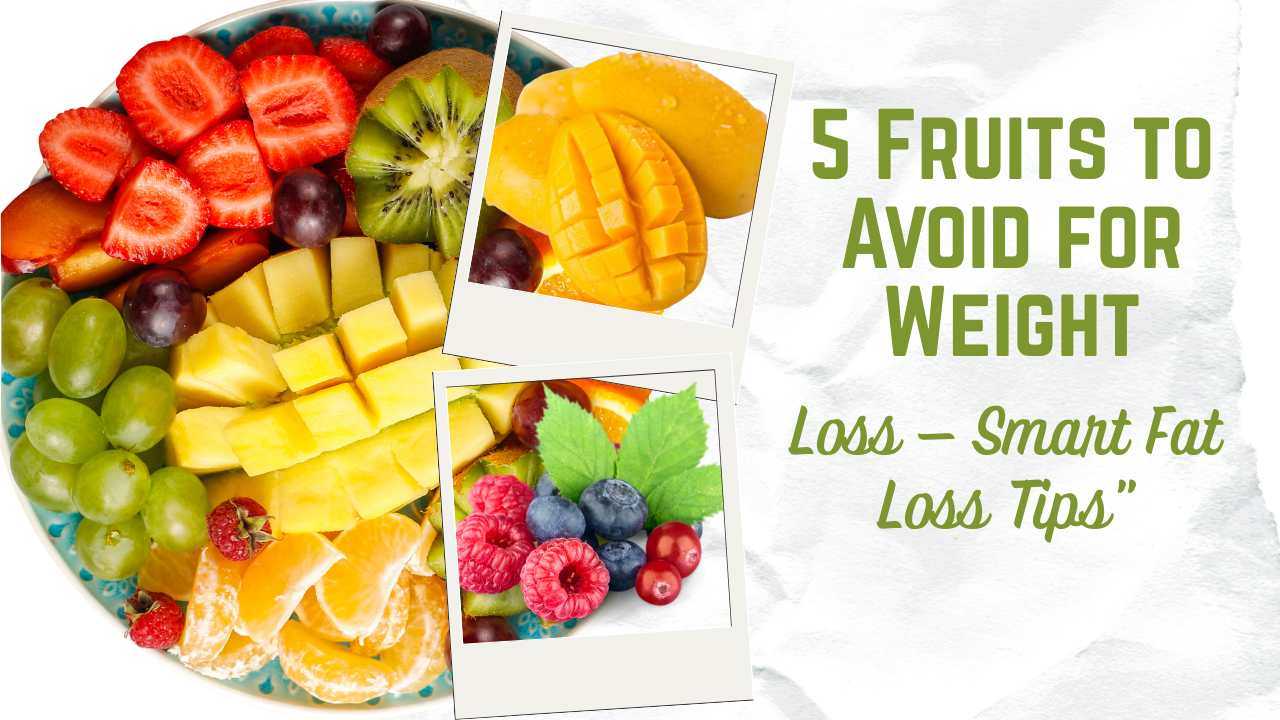
Weight loss is not only about eating less, but also about eating smart. Fruits are often seen as the healthiest food choice, yet not all fruits support fat loss goals in the same way. While fruits provide essential vitamins, minerals, and antioxidants, some varieties contain high natural sugar, dense calories, or digestion-slowing compounds that can quietly delay progress. Understanding the concept behind 5 fruits to avoid for weight loss helps people make informed nutritional decisions rather than relying on common assumptions.
The idea of avoiding certain fruits may sound surprising, especially since fruits are widely promoted as essential for a healthy diet. However, weight loss depends heavily on calorie balance, insulin response, digestion speed, and satiety. Some fruits, when consumed regularly or in large portions, may increase sugar intake, trigger cravings, or slow metabolic efficiency. This makes the discussion around 5 fruits to avoid for weight loss highly relevant for individuals aiming to shed excess fat in a sustainable way.
By learning how specific fruits interact with metabolism and appetite control, individuals can customize their diet more effectively. This article explores the science, nutritional reasoning, and practical guidance behind 5 fruits to avoid for weight loss, helping readers understand not just what to avoid, but why smarter alternatives matter for long-term success.
What Are 5 Fruits to Avoid for Weight Loss
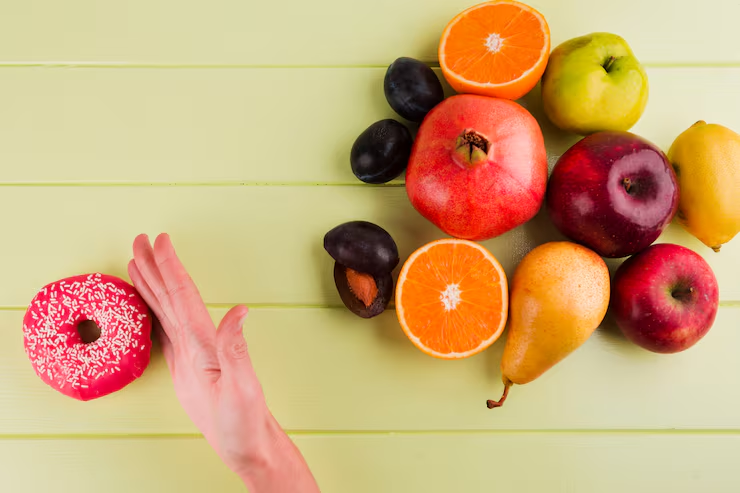
The concept of 5 fruits to avoid for weight loss refers to fruits that may interfere with fat-burning goals due to their high sugar concentration, glycemic impact, or calorie density. While these fruits are not unhealthy in general, they may not be ideal for people following calorie-restricted or insulin-sensitive weight loss plans. Weight loss requires steady blood sugar levels and controlled hunger signals, both of which can be affected by fruit selection.
Fruits that are high in fructose can promote fat storage when consumed excessively. Fructose is metabolized differently from glucose and can place additional strain on the liver, especially when intake exceeds daily requirements. This is why identifying 5 fruits to avoid for weight loss is not about eliminating nutrition, but about optimizing metabolic efficiency and preventing hidden calorie overload.
Additionally, many fruits are consumed in processed forms such as juices, dried snacks, or smoothies, which significantly increase calorie intake without providing adequate fullness. Understanding 5 fruits to avoid for weight loss allows individuals to choose fruits that offer fiber, hydration, and satiety rather than sugar spikes and hunger rebounds.
Why Understanding 5 Fruits to Avoid for Weight Loss Matters
Recognizing 5 fruits to avoid for weight loss plays a crucial role in building a balanced and effective dietary approach. Weight loss is influenced by hormonal balance, insulin sensitivity, digestion rate, and appetite control. Certain fruits can negatively affect these factors when eaten frequently or in excess, especially during a calorie-deficit phase.
When high-sugar fruits are consumed regularly, they may cause fluctuations in blood glucose levels. These fluctuations often result in increased hunger, cravings, and reduced fat oxidation. This is why understanding 5 fruits to avoid for weight loss is essential for maintaining stable energy levels and preventing unnecessary snacking throughout the day.
Furthermore, avoiding specific fruits does not mean eliminating fruit intake altogether. Instead, it encourages strategic choices that support fat loss while still providing essential micronutrients. The awareness of 5 fruits to avoid for weight loss empowers individuals to personalize their nutrition based on goals rather than generalized dietary myths.
Smart Choices to Improve Fat Loss Naturally
Banana
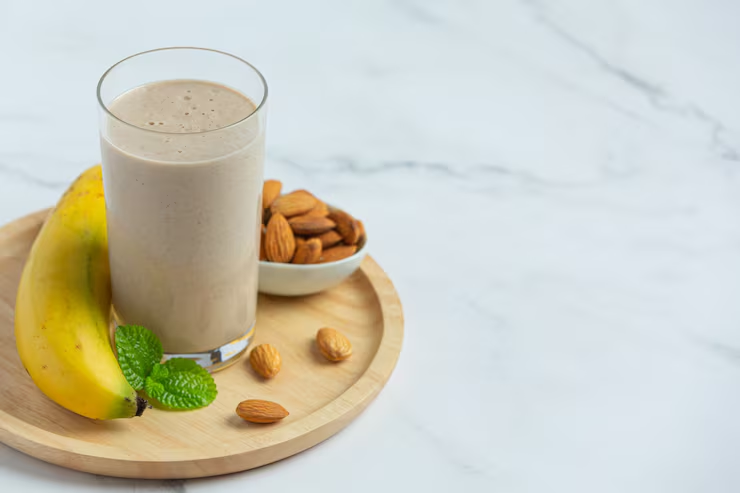
Bananas are a popular fruit known for their sweetness and energy-providing properties. However, they are often included in lists of 5 fruits to avoid for weight loss due to their high carbohydrate and sugar content. While bananas are nutrient-rich, they can easily contribute to excess calorie intake when consumed frequently, particularly for those in a calorie deficit. Eating a large banana can add around 100-120 calories, most of which come from sugars that may spike blood glucose levels. This rapid energy release may trigger insulin production, slowing fat oxidation and making weight loss harder.
Additionally, bananas digest relatively quickly compared to other fruits, leading to a shorter feeling of fullness. This can cause hunger to return sooner, making it more difficult to maintain a controlled diet. The glycemic load of bananas makes them less suitable for people who need to regulate insulin levels while aiming for fat loss. Considering these factors, bananas are consistently listed under 5 fruits to avoid for weight loss in nutrition guides.
Nutritional Benefits: Bananas are rich in potassium, vitamin B6, and fiber, supporting heart health, digestion, and energy metabolism.
How to Make It: If you enjoy bananas, consume them in small portions and pair with protein or healthy fats, such as a tablespoon of peanut butter, to slow sugar absorption. This approach aligns with the guidance of 5 fruits to avoid for weight loss while still allowing occasional enjoyment.
Mango
Mangoes are sweet, juicy, and packed with flavor, but they are high in natural sugars and calories. This places them on the list of 5 fruits to avoid for weight loss. One cup of mango contains nearly 23 grams of sugar, which can quickly add to daily caloric intake. Eating mangoes in large portions or as processed juices reduces fiber content and increases sugar absorption, making it easier to exceed daily calorie limits.
Moreover, mangoes have a moderate to high glycemic index. Frequent consumption may lead to elevated blood sugar levels, insulin spikes, and increased fat storage. Mangoes are delicious, but when the goal is fat loss, their calorie density can work against your efforts. Many people underestimate the amount of sugar consumed through mangoes, and this is a key reason nutrition experts include them among 5 fruits to avoid for weight loss.
Nutritional Benefits: Mangoes provide vitamin C, vitamin A, and antioxidants that support immunity, eye health, and skin vitality.
How to Make It: Limit mango intake to small portions occasionally or enjoy mangoes in mixed fruit salads with low-sugar fruits to reduce glycemic impact. Pairing with protein can also help maintain satiety.
Grapes
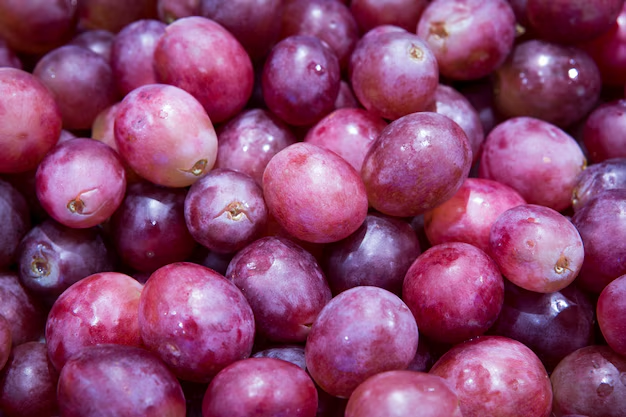
Grapes are convenient, sweet, and often seen as a healthy snack. However, they are included in 5 fruits to avoid for weight loss lists because of their high sugar content and easy overconsumption. A small bowl of grapes may appear harmless but contains roughly 23 grams of sugar. Their bite-sized nature encourages snacking without awareness of total caloric intake.
Grapes digest quickly and can cause rapid spikes in blood sugar. This triggers insulin release, which can reduce fat-burning efficiency and lead to increased hunger shortly after eating. For individuals focused on weight management, consuming grapes without moderation may slow progress. Experts highlight grapes in 5 fruits to avoid for weight loss for this reason, emphasizing that mindful portion control is essential.
Nutritional Benefits: Grapes provide antioxidants such as resveratrol, vitamin K, and fiber, which support heart health and digestion.
How to Make It: Enjoy grapes in small portions paired with nuts or yogurt to slow sugar absorption and enhance satiety while maintaining alignment with 5 fruits to avoid for weight loss guidelines.
Chikoo (Sapodilla)
Chikoo is a tropical fruit that is calorie-dense and rich in natural sugars, making it one of the 5 fruits to avoid for weight loss. Its creamy texture and sweet flavor make it easy to overeat, leading to significant calorie surplus when consumed in large amounts. Eating chikoo regularly during a weight loss plan can hinder fat loss due to its high sugar and carbohydrate content.
The slow digestion of chikoo can also contribute to heaviness and sluggish metabolism if consumed in excess. For this reason, chikoo is not recommended for individuals who aim to optimize fat burning. While nutritious, its calorie density is unsuitable for controlled weight loss, which is why it appears on 5 fruits to avoid for weight loss lists.
Nutritional Benefits: Chikoo contains dietary fiber, iron, calcium, and antioxidants that support digestion, bone health, and energy levels.
How to Make It: Limit intake to a small piece occasionally or incorporate into smoothies with high-protein ingredients to slow sugar absorption while still enjoying the fruit without affecting weight loss significantly.
Custard Apple (Sitaphal)
Custard apple is highly nutritious and offers a rich source of vitamins and minerals, but its calorie-dense nature places it among the 5 fruits to avoid for weight loss. One medium custard apple contains roughly 200 calories, most of which come from natural sugars. For individuals following a portion-controlled diet or aiming for a calorie deficit, consuming custard apple in large amounts can easily exceed daily calorie targets. Its creamy and sweet pulp is highly satisfying, but this richness can slow digestion, increase insulin response, and reduce the body’s ability to efficiently burn fat.
The sugar content of custard apple also contributes to potential fat storage when eaten excessively. Frequent consumption without mindful portion control may interfere with weight loss goals, making it less suitable for those actively seeking fat reduction. While custard apple is nutrient-rich, it is better consumed during maintenance phases or in limited quantities for individuals who are focusing on fat loss, highlighting its placement in 5 fruits to avoid for weight loss lists. than calorie-deficit periods, explaining its inclusion in 5 fruits to avoid for weight loss recommendations.
Nutritional Benefits: Custard apple provides vitamin B complex, magnesium, and antioxidants supporting muscle, nerve, and immune function.
How to Make It: Substitute with lower-calorie fruits during weight loss phases, or enjoy in controlled portions with protein to maintain blood sugar balance.
Lychee
Lychee is sweet, juicy, and highly aromatic, making it a favorite tropical fruit, but its high natural sugar content places it among the 5 fruits to avoid for weight loss. One cup of lychee contains approximately 29 grams of sugar, which can significantly increase daily caloric intake if consumed in large quantities. While lychee provides essential nutrients like vitamin C and antioxidants, its concentrated sugar makes portion control challenging, especially for individuals aiming to reduce body fat. Frequent consumption without moderation can easily counteract a calorie-controlled diet, slowing fat loss and making it harder to maintain a consistent weight management plan.
The rapid digestion of lychee contributes to blood sugar spikes and insulin release, which may temporarily increase energy levels but are often followed by crashes that trigger additional hunger and cravings. This metabolic effect explains why nutrition experts often include lychee in 5 fruits to avoid for weight loss, emphasizing mindful consumption.
Nutritional Benefits: Lychee is rich in vitamin C, antioxidants, and flavonoids supporting immunity and skin health.
How to Make It: Consume in small portions occasionally, and pair with protein or fiber-rich foods to slow sugar absorption while adhering to 5 fruits to avoid for weight loss principles.
Pineapple

Pineapple is commonly perceived as a fat-burning fruit due to its tropical taste and digestive enzyme content, but it is surprisingly high in natural sugars. Because of this, it is often included in the list of 5 fruits to avoid for weight loss for individuals who are closely monitoring calorie intake and blood sugar levels. One cup of fresh pineapple chunks contains approximately 16 grams of sugar, while processed or canned versions often contain added sugar, significantly increasing calorie content. Consuming pineapple in large amounts can lead to blood sugar spikes, triggering insulin release and reducing the body’s ability to efficiently burn fat.
Although pineapple provides essential nutrients like vitamin C, manganese, and bromelain, excessive intake may disrupt a calorie deficit, making weight loss more challenging. Its natural sweetness can also increase cravings for other high-sugar foods, further affecting fat loss goals. Therefore, pineapple should be eaten in moderation, particularly for those following the guidance of 5 fruits to avoid for weight loss. pineapple in moderation, highlighting it in 5 fruits to avoid for weight loss when portion control is not maintained.
Nutritional Benefits: Pineapple provides vitamin C, manganese, and bromelain, supporting immunity, digestion, and anti-inflammatory activity.
How to Make It: Enjoy small portions with high-protein foods or as part of a fruit salad with low-sugar fruits to reduce glycemic impact while following 5 fruits to avoid for weight loss guidance.
Dates
Dates are naturally very sweet and calorie-dense, which makes them one of the most commonly highlighted fruits in the list of 5 fruits to avoid for weight loss. While they offer several health benefits, including fiber, potassium, and antioxidants, their concentrated sugar content means that even small portions can contribute a significant number of calories. This high caloric load can easily disrupt a calorie deficit, which is essential for effective fat loss. Many people enjoy dates as snacks or use them as natural sweeteners in desserts, smoothies, or energy bars, which increases the risk of consuming excess calories without realizing it.
In addition to their calorie content, dates are digested quickly and can cause rapid increases in blood sugar. These sugar spikes trigger insulin release, which can promote fat storage and reduce the efficiency of fat burning. Their sticky texture and natural sweetness also make portion control difficult, making it easy to overeat. For these reasons, dates should be consumed sparingly, if at all, by individuals who are following the guidance of 5 fruits to avoid for weight loss for better weight management.
Nutritional Benefits: Dates are rich in fiber, potassium, magnesium, and antioxidants supporting digestion, heart health, and energy metabolism.
How to Make It: Limit consumption to one or two dates occasionally, preferably with protein or nuts, to slow sugar absorption while maintaining adherence to 5 fruits to avoid for weight loss principles.
Conclusion

Understanding 5 fruits to avoid for weight loss empowers individuals to make informed dietary choices rather than relying on assumptions or generalized advice. Fruits are widely recognized for their health benefits, providing essential vitamins, minerals, antioxidants, and fiber. However, not all fruits are equally beneficial for fat loss. Some contain high amounts of natural sugars, calories, or have a rapid digestion rate, which can affect insulin response, hunger levels, and overall metabolic efficiency. By learning which fruits fall into the category of 5 fruits to avoid for weight loss, individuals can develop a more strategic approach to eating, focusing on fruits that enhance satiety, stabilize blood sugar, and support sustained energy levels throughout the day.
Reducing the reliance on high-sugar fruits does not mean eliminating fruit altogether. The primary goal of identifying 5 fruits to avoid for weight loss is optimization rather than restriction. Substituting high-calorie, sugar-rich fruits with lower-calorie, fiber-rich alternatives helps maintain nutrient intake while promoting fat-burning efficiency. This strategy supports appetite control, prevents energy crashes, and reduces cravings, making it easier to adhere to a calorie-conscious diet.
Sustainable weight loss is achieved through consistent, informed decisions, balanced nutrition, and mindful eating habits. Applying the principles of 5 fruits to avoid for weight loss allows individuals to align their food choices with personal health and fitness goals. Over time, this leads to a realistic, long-term approach to fat reduction, ensuring that weight loss is not just temporary but maintains overall wellness. By integrating these practices, individuals can enjoy a healthy, nutrient-rich diet while effectively supporting their fat loss objectives.
FAQ’s
Q1. Why are fruits included in 5 fruits to avoid for weight loss when fruits are healthy
Fruits are nutritious but some contain high natural sugar and calories. The concept of 5 fruits to avoid for weight loss focuses on metabolic impact rather than general health. These fruits may slow fat loss when consumed frequently during calorie-restricted diets.
Q2. Can avoiding 5 fruits to avoid for weight loss improve fat burning
Yes, limiting fruits that spike blood sugar helps stabilize insulin levels. This supports better fat oxidation and appetite control. Understanding 5 fruits to avoid for weight loss helps reduce hidden calorie intake.
Q3. Are these fruits unhealthy according to 5 fruits to avoid for weight loss
No, these fruits are not unhealthy. The focus of 5 fruits to avoid for weight loss is context-based nutrition. They are better suited for maintenance or high-energy needs rather than fat loss phases.
Q4. Can these fruits be eaten occasionally under 5 fruits to avoid for weight loss
Occasional consumption in controlled portions is acceptable. The key principle of 5 fruits to avoid for weight loss is moderation and awareness, not complete elimination.
Q5. What fruits are better alternatives to 5 fruits to avoid for weight loss
Low-sugar and fiber-rich fruits support weight loss more effectively. Choosing alternatives aligns with the purpose behind 5 fruits to avoid for weight loss and improves dietary efficiency.