


A Healthy Diet for Gym-Goers is one of the most essential foundations for building strength, enhancing performance, and supporting long-term fitness progress. Whether someone is a beginner stepping into the gym for the first time or a seasoned athlete striving for advanced gains, the connection between nutrition and physical output cannot be overstated. In today’s fast-paced lifestyle, many people overlook the immense power of intentional eating, yet a well-structured Healthy Diet for Gym can transform the entire training experience. It does more than fuel workouts—it shapes recovery, muscle growth, energy levels, and mental clarity. With the right knowledge and application, anyone can use nutrition as their strongest gym partner. 💪
What makes a Healthy Diet for Gym-Goers truly special is that it is not built around strict rules or complicated systems. Instead, it focuses on clear, sustainable habits that maximize physical performance and maintain a balanced lifestyle. The gym is where effort happens, but food is where your body recovers and grows. Too many fitness enthusiasts rely solely on heavy workouts while ignoring the nutrient demands of their bodies. This leads to fatigue, slow recovery, and limited results. Understanding the fundamentals of a Healthy Diet for Gym helps eliminate confusion and empowers individuals to take charge of their progress with confidence.
The combination of mindful eating, nutrient timing, and personalized nutrition is what makes the modern Healthy Diet for Gym effective and meaningful. Today, fitness is no longer about temporary dieting; it is about long-lasting nourishment that supports everyday health. With the right information, you can easily choose foods that help build muscle, maintain lean mass, support joint health, and improve stamina. This complete guide breaks down every detail of an optimized Healthy Diet for Gym-Goers, offering practical insights, step-by-step nutritional strategies, and powerful food options that support extraordinary growth and well-being.

What Is a Healthy Diet for Gym-Goers?
A Healthy Diet for Gym-Goers is a structured eating approach that provides the essential nutrients required for effective exercise, muscle recovery, and energy production. Unlike ordinary diets, which focus only on calories or weight control, a Healthy Diet for Gym-Goers prioritizes proteins, complex carbohydrates, healthy fats, vitamins, and minerals. Its purpose is to support physical training, help the body withstand intense workouts, repair damaged muscle fibers, and maintain overall health. This type of diet is dynamic and tailored to the unique needs of people who push their bodies beyond normal limits.
At its core, a Healthy Diet for Gym-Goers ensures your body receives what it needs before, during, and after workouts. It keeps your energy stable, reduces inflammation, promotes lean mass development, and improves endurance. For gym enthusiasts, the wrong diet can lead to burnout, decreased strength, loss of motivation, or even injuries. But when the body is consistently nourished with the right foods, performance skyrockets. The principles of a Healthy Diet for Gym-Goers include balancing macros, staying hydrated, timing meals strategically, and maintaining enough micronutrients to support metabolic and hormonal processes. 🌱
In essence, a Healthy Diet for Gym-Goers is not a temporary eating plan—it is a lifestyle that integrates healthy habits with athletic goals. It ensures that your fitness journey is supported from within, helping maximize every ounce of effort you put into your workouts. People who adopt a consistent Healthy Diet for Gym-Goers experience faster recovery, better stamina, improved mood, and long-term health benefits. This section continues to serve as a foundation as we move toward understanding why this type of nutrition matters so deeply.
Why a Healthy Diet for Gym-Goers Matters
A Healthy Diet for Gym-Goers is crucial because your body cannot perform optimally without proper fuel. Think of your muscles as high-performance engines—they require premium nutrition to excel. When individuals train intensely, their bodies undergo micro-tears in muscles, increased stress on joints, and heightened metabolic activity. These processes need nutrients to repair, recover, and grow stronger. Without a Healthy Diet for Gym-Goers, workouts become less effective, fatigue sets in faster, and progress stalls. 🍎
Beyond physical performance, a Healthy Diet for Gym-Goers plays a vital role in mental clarity and motivation. Food influences energy, mood, concentration, and hormonal balance. People who follow an optimized Healthy Diet for Gym-Goers often report increased confidence, sharper focus, and greater motivation during workouts. This is because proper nutrition stabilizes blood sugar levels and supports neurotransmitters that regulate mood. Gym-goers who skip meals or consume low-quality food experience crashes, cravings, and inconsistency, ultimately getting discouraged.
Another reason a Healthy Diet for Gym-Goers is essential is the long-term impact it has on health and fitness sustainability. Training alone cannot maintain a fit, strong, and healthy body if the diet is lacking. A Healthy Diet for Gym-Goers reduces inflammation, prevents nutrient deficiencies, supports immunity, and enhances overall vitality. Over time, your diet becomes just as important as your workout program—if not more. With a targeted approach, your body can adapt better, grow stronger, and achieve results that last for years, not just weeks.
Deeply Explained Points for a Healthy Diet for Gym-Goers
High-Protein Structure
Nutritional Benefits:
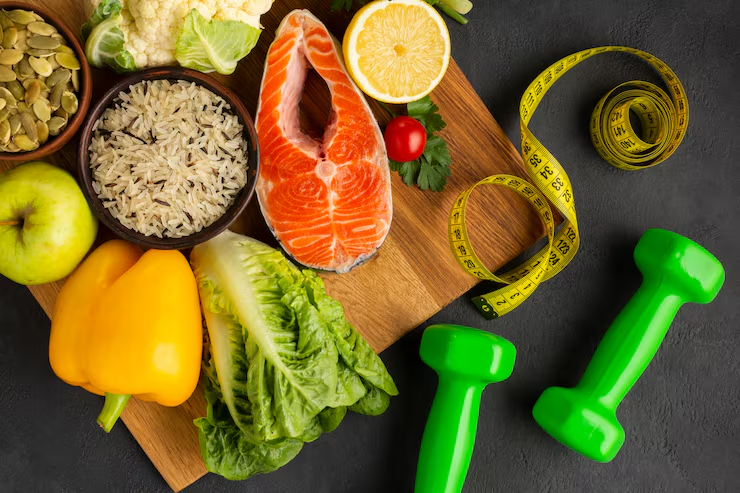
A strong protein foundation is one of the most essential elements of a Healthy Diet for Gym-Goers because protein directly supports muscle growth, tissue repair, and recovery after intense training sessions. When you lift weights or perform resistance training, your muscle fibers experience microscopic tears. Protein helps repair these tears and strengthens the fibers, resulting in increased muscle mass and improved performance. For individuals who train regularly, protein also supports metabolic health, hormone production, and energy stabilization throughout the day.
In a Healthy Diet for Gym-Goers, protein enhances satiety, helping individuals avoid overeating or craving sugary snacks. It stabilizes blood sugar levels, thus preventing energy crashes that can disrupt training consistency. Athletes with consistent protein intake often report faster recovery, less soreness, and improved overall strength. Furthermore, protein-rich diets help preserve lean muscle mass during fat-loss phases, ensuring that weight loss remains healthy and sustainable rather than stripping away hard-earned muscle.
On a deeper cellular level, amino acids—the building blocks of protein—support enzyme production, immune function, and the creation of neurotransmitters. This means a Healthy Diet for Gym-Goers that emphasizes protein not only enhances physical fitness but also improves mental focus, mood, and cognitive performance. When the body is nourished with adequate protein, it can perform at its highest potential during workouts and throughout everyday activities.
How to Make It:
To incorporate protein effectively into a Healthy Diet for Gym-Goers, you should begin by planning meals around primary protein sources. These include lean chicken breast, turkey, fish, eggs, Greek yogurt, cottage cheese, tofu, tempeh, lentils, beans, and whey protein. A balanced strategy involves consuming 25–35 grams of protein per meal, depending on your body weight and workout intensity.
Meal prepping can significantly support protein intake. For example, grilling chicken for the week, preparing boiled eggs, or batch-cooking lentils ensures that protein is always available. Including a protein shake post-workout also helps replenish amino acids quickly. Try pairing proteins with vegetables and complex carbs for balanced performance meals. Incorporating small snacks such as nuts, yogurt cups, or protein bars ensures consistent intake throughout the day. A Healthy Diet for Gym-Goers thrives on structure, and a smart protein strategy is the foundation of high-level performance.
Complex Carbohydrates for Sustained Energy
Nutritional Benefits:
Complex carbohydrates are the primary energy source in a Healthy Diet for Gym-Goers, providing long-lasting fuel for both strength and endurance training. During workouts, your muscles rely heavily on glycogen stores—carbohydrates stored in the muscles and liver. When these stores are full, you experience improved stamina, stronger lifts, better focus, and enhanced performance. Without enough carbs, gym-goers often feel fatigued, sluggish, and unable to push themselves effectively.
Carbohydrates also play a key role in muscle recovery. After training, muscles require glycogen replenishment to repair and grow. Complex carbs such as oats, quinoa, sweet potatoes, and brown rice offer slow-digesting energy that supports balanced blood sugar levels, making them ideal for consistent training routines. Additionally, carbs help regulate nervous system function, allowing improved coordination, muscle contraction, and overall athletic control.
A Healthy Diet for Gym-Goers that includes complex carbohydrates reduces cravings and supports overall mood stability. Processing carbs into energy requires less stress on the digestive system, allowing the body to direct more resources toward training recovery and metabolic processes. Over time, individuals who prioritize complex carbohydrates report increased endurance, better training output, and improved body composition.
How to Make It:
Adding complex carbohydrates into a Healthy Diet for Gym-Goers involves selecting nutrient-rich options that digest slowly and deliver sustained energy. Start by incorporating foods like oats, barley, quinoa, sweet potatoes, whole wheat pasta, brown rice, chickpeas, and beans. These foods can be used to create balanced meals that fuel both your workouts and your daily activities.
Pre-workout meals should contain a moderate portion of complex carbs eaten 60–90 minutes before training. This ensures that the body has enough time to convert the carbs into usable energy. Post-workout meals should also include carbs to replenish glycogen stores and support recovery. When preparing meals, aim to fill one-fourth to one-third of your plate with complex carbohydrates.
Meal examples include oatmeal bowls with fruit, quinoa salad with vegetables, rice bowls with lean protein, or sweet potato paired with chicken or tofu. Rotating different carb sources ensures variety and improves nutrient diversity. A Healthy Diet for Gym-Goers works best when it combines carbs with protein and healthy fats, creating a synergy that supports performance, recovery, and overall well-being.
Healthy Fats for Hormonal and Joint Support
Nutritional Benefits:
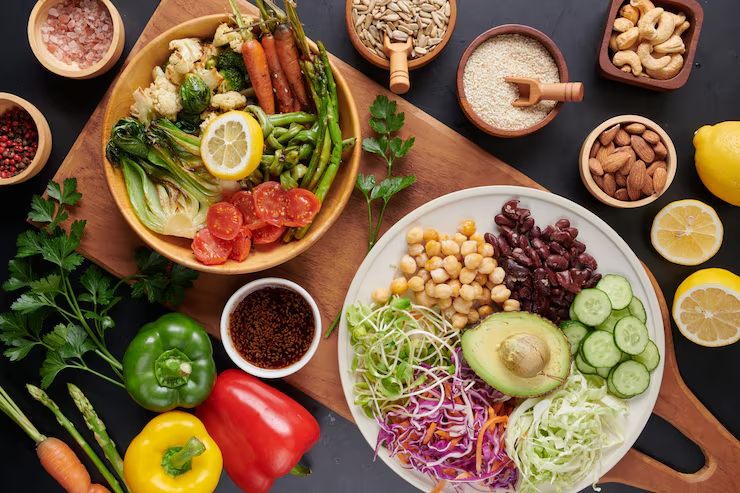
Healthy fats are essential for maintaining hormonal balance, joint lubrication, and long-term endurance within a Healthy Diet for Gym-Goers. Many hormones responsible for muscle growth, recovery, and energy—such as testosterone and growth hormone—depend on dietary fat for proper production. Without enough healthy fats, the body struggles to recover efficiently, and performance inevitably declines.
Healthy fats also promote better brain function, improved mood, and sharper concentration. These benefits directly influence workout quality because mental clarity plays a big role in consistency and motivation. Fats reduce inflammation in the body, helping prevent workout-related injuries and aiding in quicker recovery. For gym-goers, this means fewer aches, reduced soreness, and improved mobility.
Omega-3 fatty acids—found in foods like fish, seeds, and nuts—play a particularly important role in reducing inflammation and improving metabolic health. A Healthy Diet for Gym-Goers that includes these fats ensures overall resilience and support for strenuous training. Over the long term, diets rich in healthy fats improve cardiovascular health, cellular function, and overall body composition.
How to Make It:
Implementing healthy fats into a Healthy Diet for Gym-Goers requires selecting high-quality, nutrient-dense options. Start with foods like avocados, olive oil, walnuts, almonds, chia seeds, flaxseeds, and fatty fish such as salmon. These foods can be easily incorporated into meals and snacks throughout the day.
Add avocados to salads or whole-grain toast, drizzle olive oil on roasted vegetables, or include nuts as a midday snack. Fatty fish meals 2–3 times a week provide essential omega-3s. Chia seeds and flaxseeds can be added to smoothies or yogurt.
Keep fat portions moderate—too much fat before workouts may slow digestion. Instead, include healthy fats consistently throughout the day in small amounts. A balanced Healthy Diet for Gym-Goers ensures fats work synergistically with carbs and proteins to support the body’s full performance potential.
Hydration and Electrolyte Balance
Nutritional Benefits:
Hydration is one of the most critical yet misunderstood aspects of a Healthy Diet for Gym-Goers. Water supports nearly every bodily function, including nutrient transportation, temperature regulation, muscle contraction, and joint lubrication. Even mild dehydration can significantly reduce workout performance by lowering endurance, increasing fatigue, and impairing cognitive function.
Electrolytes—such as sodium, potassium, magnesium, and calcium—play a vital role in nerve signaling and muscle function. When these electrolytes are imbalanced, gym-goers experience cramping, dizziness, and energy drops. Proper hydration enhances nutrient absorption, digestion, and recovery, making it essential for anyone following a Healthy Diet for Gym-Goers.
During intense workouts, especially in hot environments, the body loses water and electrolytes rapidly through sweat. Replenishing these levels ensures that the muscles continue to perform without strain. Hydrated individuals also benefit from improved skin health, mental clarity, and metabolic efficiency.
How to Make It:
To maintain optimal hydration in a Healthy Diet for Gym-Goers, aim to drink 2–3 liters of water daily, adjusting for body weight, activity level, and climate. Start your day with a large glass of water, sip throughout your training session, and continue hydrating after workouts.
During longer or high-intensity workouts, consider adding electrolyte-rich beverages. Coconut water, electrolyte tablets, or homemade electrolyte drinks can support hydration without excessive sugar. Adding lemon, mint, or cucumber to water enhances flavor and encourages more frequent drinking.
Track hydration using urine color—pale yellow typically indicates proper hydration. Consistency is key; dehydration cannot be corrected instantly. Over time, a hydration-focused Healthy Diet for Gym-Goers supports improved energy, better performance, and long-term health.
Smart Pre-Workout Nutrition

Nutritional Benefits:
Pre-workout nutrition is essential for powering energy, building focus, and maximizing performance during training sessions. A well-balanced pre-workout meal supports a Healthy Diet for Gym-Goers by increasing stamina, reducing fatigue, and stabilizing blood sugar. When the body is properly fueled before exercise, workouts become more productive and enjoyable.
Carbohydrates before training supply quick energy, while lean protein supports muscle preservation. This combination helps prevent muscle breakdown during intense exercise. Pre-workout meals also enhance mental clarity, helping gym-goers maintain concentration, proper form, and motivation.
A Healthy Diet for Gym-Goers that includes smart pre-workout meals reduces the likelihood of dizziness, weakness, or early fatigue. Over time, this greatly improves training quality and helps individuals push harder and lift heavier.
How to Make It:
A solid pre-workout meal should include carbs and protein eaten 60–90 minutes before training. Great options include oatmeal with fruit, whole-grain toast with peanut butter, yogurt with banana, or a chicken-and-rice bowl.
Avoid heavy fats or fried foods before workouts—they slow digestion and cause discomfort. Hydration is also important, so drink water before starting your session. Adjust meal size based on workout duration and intensity.
A Healthy Diet for Gym-Goers thrives when pre-workout nutrition is consistent and matched to the body’s needs.
Post-Workout Recovery Meals
Nutritional Benefits:
Post-workout nutrition is one of the most important components of a Healthy Diet for Gym-Goers because it directly influences recovery, muscle growth, and energy replenishment. After training, your muscles are in a state of breakdown. A good recovery meal helps trigger muscle protein synthesis and repair tissue efficiently.
Carbs help restore glycogen levels depleted during exercise, while protein aids in building new muscle fibers. The right post-workout meal minimizes soreness, reduces inflammation, and speeds up recovery time.
A Healthy Diet for Gym-Goers that includes structured post-workout meals leads to better performance in subsequent sessions and helps gym-goers build strength more effectively.
How to Make It:
Eat within 30–60 minutes after your workout. Focus on lean protein sources like chicken, whey, tofu, or eggs, paired with carbs like rice, potatoes, fruit, or oats.
Great options include protein shakes with fruit, chicken and rice, Greek yogurt with honey, or tofu stir fry. Avoid heavy fats immediately after training—they slow nutrient absorption.
Consistency is key. A Healthy Diet for Gym-Goers always includes high-quality post-workout meals to support long-term goals.
Micronutrients for Cellular Health
Nutritional Benefits:
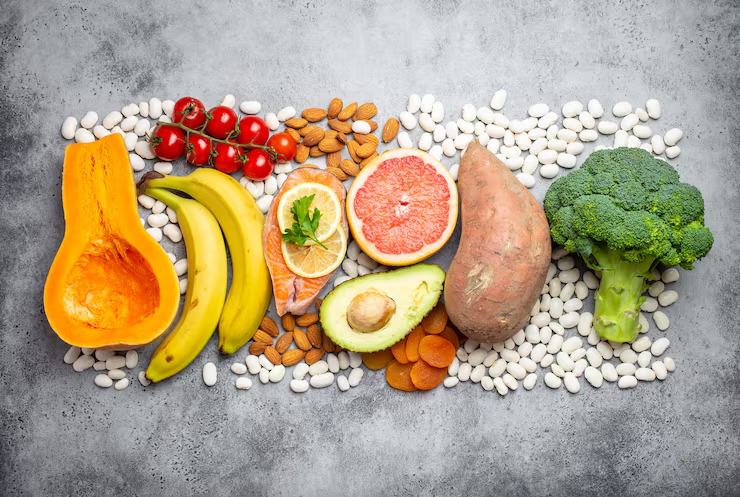
Micronutrients—vitamins and minerals—are essential in a Healthy Diet for Gym-Goers because they support every metabolic and recovery-related process in the body. From oxygen transport to muscle contraction, micronutrients influence how effectively the body performs.
Deficiencies can lead to fatigue, muscle cramps, low immunity, poor focus, and slower recovery. Vitamins like A, C, D, and E protect cells, strengthen immunity, and support bone health. Minerals like magnesium, zinc, and potassium help regulate muscle function, hydration, and energy production.
A Healthy Diet for Gym-Goers rich in micronutrients helps you train more consistently, recover faster, and stay healthier overall.
How to Make It:
Fill your meals with colorful vegetables, fruits, berries, nuts, seeds, whole grains, and leafy greens. Include citrus fruits for vitamin C, dairy or fortified foods for calcium, nuts and seeds for magnesium, and bananas or spinach for potassium.
Rotate your choices weekly to ensure broad nutrient diversity. Consistency in micronutrient intake transforms performance and overall well-being.
Balanced Meal Frequency
Nutritional Benefits:
Meal frequency affects energy levels, digestion, recovery, and metabolic health. A Healthy Diet for Gym-Goers that includes balanced meals throughout the day helps regulate hunger, stabilize blood sugar, and improve nutrient timing.
Eating 4–6 smaller meals or balanced snacks ensures a constant stream of nutrients, helping gym-goers avoid fatigue and overeating. This supports training consistency and improves body composition over time.
Proper meal spacing also helps digestion, reduces bloating, and enhances absorption of nutrients essential for performance.
How to Make It:
Plan meals every 2–4 hours. Include proteins, healthy carbs, and fats in each meal. Prepare snacks like nuts, yogurt, fruit, or protein bars for convenience.
Keep meals balanced—avoid extremes of overeating or starving. A Healthy Diet for Gym-Goers thrives on predictable, consistent eating habits that support performance and recovery daily.
Conclusion

A Healthy Diet for Gym-Goers is far more than a set of eating rules—it’s a powerful lifestyle approach that supports every stage of your fitness journey. Whether you are lifting weights, running, or doing intense workouts, the right nutrition acts as the foundation that strengthens your efforts and accelerates your progress. A balanced and intentional Healthy Diet for Gym-Goers ensures that your body receives the exact nutrients it needs to grow stronger, perform better, and recover faster. When food and exercise work together, your fitness results become more predictable and long-lasting.
As we explored throughout this guide, a Healthy Diet for Gym-Goers involves strategic protein intake, smart carbohydrate choices, healthy fats, hydration, micronutrients, and meal timing. Each component contributes to better performance, mental focus, and overall vitality. By applying these principles consistently, you not only enhance your physical strength but also improve your health from the inside out. A thoughtful Healthy Diet for Gym-Goers reduces fatigue, boosts stamina, and supports the long-term sustainability of your fitness lifestyle. The better your nutrition, the more powerful your workouts—and the closer you get to achieving your fitness goals.
Ultimately, the journey toward an optimal Healthy Diet for Gym-Goers is both empowering and rewarding. It transforms the gym experience, boosts confidence, and builds a healthier, stronger, and more resilient version of yourself. With the right guidance, smart habits, and dedication, anyone can enjoy the countless benefits of proper nutrition. Let this comprehensive guide inspire you to take your fitness journey to the next level—one meal, one workout, and one healthy choice at a time. 🌟💪
FAQs
Q1. Why is a Healthy Diet for Gym-Goers more important than just exercising?
A Healthy Diet for Gym-Goers is crucial because exercise alone cannot supply the nutrients required for muscle repair, energy restoration, and strength development. Without proper food intake, your workouts become less productive, your recovery slows down, and your stamina decreases. A balanced nutrition plan ensures long-term progress and sustainable fitness.
Q2. How often should I eat when following a Healthy Diet for Gym-Goers?
For most people, a Healthy Diet for Gym-Goers works best when meals are spread throughout the day, typically 4–6 times in moderate portions. This stabilizes energy levels, supports metabolism, prevents overeating, and ensures steady nutrient absorption to maintain strength and performance during workouts.
Q3. Can beginners also follow a Healthy Diet for Gym-Goers?
Absolutely—beginners benefit greatly from a Healthy Diet for Gym-Goers because it helps build foundational strength, boosts energy, and prevents common problems like fatigue and slow recovery. Starting with proper nutrition early in a fitness journey creates long-term healthy habits and leads to faster, safer progress.
Q4. What foods should I avoid in a Healthy Diet for Gym-Goers?
In a Healthy Diet for Gym-Goers, it’s best to limit sugary snacks, deep-fried foods, artificially flavored beverages, overly processed carbs, and foods high in trans fats. These items cause rapid energy crashes, slow digestion, increase inflammation, and negatively affect workout results and recovery.
Q5. How long does it take to see results with a Healthy Diet for Gym-Goers?
Results from a Healthy Diet for Gym-Goers vary, but most people notice better energy levels within 1–2 weeks. Visible physical changes usually begin within 4–8 weeks when paired with consistent training. The more disciplined and personalized the plan, the faster and more sustainable the results.