

Losing weight doesn’t always have to feel like a punishment or endless hours on a treadmill. Today, fitness enthusiasts are discovering creative, enjoyable, and highly effective ways to burn calories while staying motivated. One of the most exciting trends making a comeback in the health and wellness industry is trampoline exercises for weight loss. Unlike conventional routines, trampoline workouts bring together fun, energy, and measurable results, making them a top choice for people who want to combine playfulness with fitness.
When you think of trampolines, you may imagine children bouncing in the backyard. But now, fitness experts and professional trainers emphasize that trampoline exercises for weight loss aren’t just child’s play—they are scientifically proven to strengthen muscles, improve cardiovascular health, and accelerate fat burning. They provide a unique low-impact option that reduces stress on the joints while still delivering high-intensity results. Whether you’re a beginner exploring new workout options or someone tired of the monotony of gym machines, trampolines offer a refreshing alternative.
What makes trampoline workouts even more appealing is how versatile they are. You can incorporate routines ranging from simple bouncing to high-intensity rebounding sessions that engage every part of your body. With consistency, these routines don’t just help you shed pounds; they also tone your muscles, enhance your coordination, and boost your mental well-being. By the end of this article, you’ll understand why trampoline exercises for weight loss are not only fun but also a powerful way to transform your health, fitness, and lifestyle in the long run.
What Are Trampoline Exercises for Weight Loss?
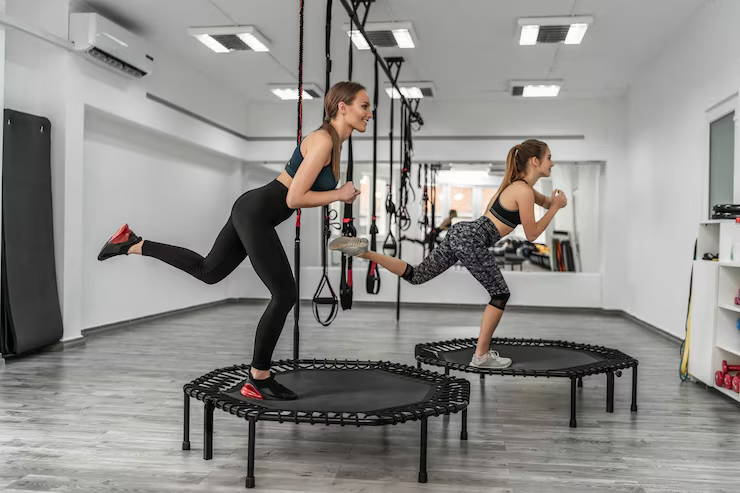
Trampoline exercises for weight loss refer to fitness activities performed on a trampoline—often called rebounding. These exercises involve jumping, bouncing, jogging in place, and performing dynamic movements on a trampoline surface. Unlike traditional workouts that may strain joints and bones, trampoline workouts absorb much of the impact, making them suitable for people of different ages and fitness levels.
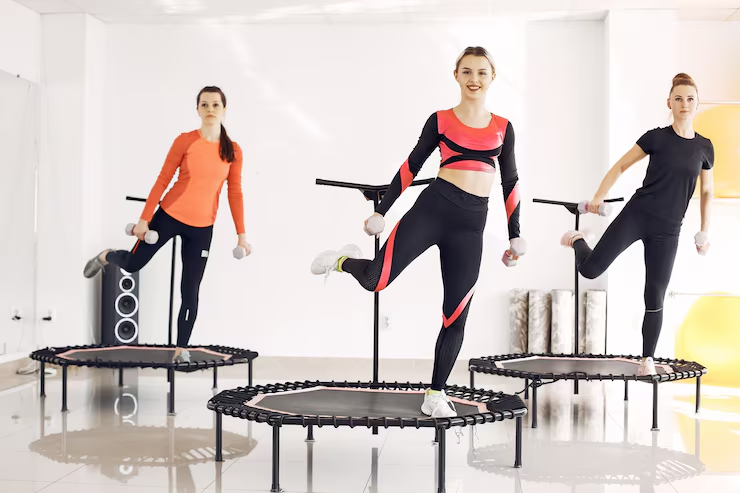
The movements vary widely: you can start with light bounces, add knee lifts, perform jumping jacks, or even integrate weight training while bouncing. These diverse routines ensure your workout never feels repetitive or boring. The trampoline itself acts as both a shock absorber and a resistance tool, challenging your muscles with every push against the mat.
What sets trampoline exercises for weight loss apart from many other fitness activities is the unique combination of calorie burn, muscle toning, and fun. Studies show that 10 minutes of trampoline rebounding can equal the cardiovascular benefits of a 30-minute run. This makes it ideal for busy individuals who want effective workouts in less time. In short, trampoline routines are not just about bouncing—they’re about transforming the way you approach fitness and weight loss.
Why Choose Trampoline Exercises for Weight Loss?
The question many people ask is: why trampolines? The answer lies in the exceptional blend of effectiveness, safety, and enjoyment. Unlike monotonous cardio workouts, trampoline exercises for weight loss create an exciting experience that keeps you motivated. Motivation is one of the biggest hurdles in weight loss, and trampolines tackle it by making exercise feel like play.
Another major advantage is the low-impact nature of the workout. Many weight loss exercises—such as running or HIIT workouts—can put immense stress on knees, hips, and ankles. On the other hand, trampolines absorb up to 80% of the shock from each jump, allowing you to work harder without discomfort. This makes trampoline workouts an excellent long-term choice for sustainable weight loss.
Finally, trampolines provide a full-body workout. Unlike certain machines at the gym that isolate muscles, trampoline routines simultaneously engage your core, legs, arms, and cardiovascular system. When combined with consistency, a balanced diet, and healthy lifestyle habits, trampoline exercises for weight loss can significantly accelerate your progress while keeping you injury-free and mentally refreshed.
Detailed Benefits of Trampoline Exercises for Weight Loss
Burns Calories Faster than Traditional Cardio

One of the most talked-about benefits of trampoline exercises for weight loss is their ability to torch calories in a very short amount of time. Unlike traditional cardio, which may require long sessions on the treadmill or bike, trampolining offers a high-intensity workout with less effort. Studies suggest that just 10 minutes of trampoline rebounding can deliver the same cardiovascular benefits as a 30-minute run. This means that people with busy schedules can achieve calorie-burning goals faster and more efficiently by incorporating trampoline workouts into their fitness routine.
The unique aspect of trampolining lies in its constant resistance and gravitational force. Every bounce on the trampoline requires your body to push against the mat, creating a calorie-burning effect while strengthening muscles. This dual action—burning fat while building lean mass—makes trampoline routines more effective than many cardio activities. Over time, trampoline exercises for weight loss ensure that your metabolism remains elevated even after you finish your workout, helping you burn calories throughout the day.
Additionally, trampolining is far more enjoyable compared to repetitive cardio sessions. Instead of feeling exhausted or unmotivated after a run, you finish your trampoline session feeling energized and uplifted. That sense of fun encourages consistency, which is essential for long-term fat loss. In short, if your goal is to burn maximum calories without hours of effort, trampoline exercises for weight loss are one of the best strategies available today.
Strengthens Core and Stabilizer Muscles
A flat, toned stomach and strong midsection are common fitness goals. The good news is that trampoline exercises for weight loss target your core muscles with every bounce. Unlike flat-surface exercises, trampolining forces your body to constantly stabilize itself against gravity and motion. This requires deep engagement of the abdominal muscles, lower back, and obliques, which not only burns fat but also tones your waistline over time.
When you land on a trampoline, your body makes small adjustments to stay balanced. These adjustments activate stabilizer muscles that are often overlooked in traditional workouts. By strengthening these muscles, trampoline exercises for weight loss help improve posture, reduce the risk of back pain, and support overall body alignment. Over time, a strong core becomes the foundation for performing other exercises safely and effectively.
Moreover, core activation during trampoline workouts boosts your calorie burn. The more muscles you engage during exercise, the more energy your body requires, leading to greater fat loss. This is why trampolining is not just about burning calories—it’s also about sculpting your body. With regular practice, you’ll notice improved abdominal definition, stronger lower back support, and enhanced stability in everyday activities, proving the effectiveness of trampoline exercises for weight loss.
Improves Cardiovascular Health

Your heart is one of the most important muscles in your body, and keeping it strong is crucial for overall health. Trampoline exercises for weight loss elevate your heart rate, providing an excellent cardiovascular workout without the harsh impact of running. Each jump boosts blood circulation, increases oxygen supply, and strengthens the efficiency of your heart and lungs. This makes trampoline routines highly effective in reducing the risk of heart disease and improving long-term stamina.
Compared to traditional cardio like jogging or cycling, trampolining is less stressful on the joints but equally effective for the cardiovascular system. The alternating acceleration and deceleration during each bounce force your body to adapt quickly, making your heart work harder in a safe way. Over time, regular trampoline workouts lead to improved endurance, better circulation, and faster recovery after physical exertion.
In addition to heart health, trampoline sessions contribute to better weight management by supporting fat metabolism. A stronger cardiovascular system means your body can burn calories more efficiently, even at rest. For individuals looking to combine fat loss with improved fitness, trampoline exercises for weight loss offer a perfect blend of enjoyment and health benefits, making them a sustainable choice for long-term results.
Boosts Lymphatic System and Detoxification
Many people overlook the importance of the lymphatic system when thinking about weight loss. Unlike the circulatory system, the lymphatic system doesn’t have a pump—it relies on body movement to circulate fluid and remove toxins. Trampoline exercises for weight loss are one of the most effective ways to stimulate this system, as the vertical bouncing motion naturally enhances lymphatic flow. This process helps your body eliminate waste products, reduce bloating, and improve immunity.
As toxins and excess fluids are flushed out, your body functions more efficiently. This not only supports weight loss but also improves skin health, energy levels, and overall vitality. The rhythmic up-and-down motion of trampoline workouts promotes detoxification in a way that few other exercises can match. By aiding the natural cleansing process, trampoline exercises for weight loss go beyond fat burning to improve your holistic well-being.
In addition, a properly functioning lymphatic system helps reduce inflammation and water retention—two factors that can make weight loss appear slower. By stimulating this system regularly, trampoline workouts ensure that you see visible results sooner. This is why fitness trainers emphasize the dual benefit of trampolining: burning calories externally and cleansing the body internally. With trampoline exercises for weight loss, you don’t just look lighter—you feel healthier too.
Reduces Stress and Improves Mental Health
Weight loss is not just a physical challenge; it’s also a mental one. Stress, anxiety, and emotional eating often make it difficult to stay on track. The great thing about trampoline exercises for weight loss is their ability to lift your mood and reduce stress levels. Bouncing on a trampoline triggers the release of endorphins, also known as “happy hormones,” which immediately boost your emotional state.
The playful and childlike nature of trampolining helps you reconnect with joy, turning workouts into a fun activity instead of a chore. This shift in mindset is powerful because people are far more likely to stick with exercise routines they actually enjoy. With consistency being the key to weight loss, the mental benefits of trampolining play a direct role in helping you achieve your goals.
Additionally, reducing stress has a biological impact on fat loss. High stress levels increase cortisol, a hormone linked to weight gain and fat storage, especially around the abdomen. By lowering stress naturally, trampoline exercises for weight loss help regulate cortisol levels and prevent emotional eating. This makes trampolining a powerful tool for achieving both mental balance and physical transformation.
Low Impact but High Intensity

One of the major obstacles in weight loss workouts is finding exercises that are effective yet gentle on the body. Many people struggle with joint pain or injuries that prevent them from running or performing high-impact exercises. Trampoline exercises for weight loss solve this issue by offering a low-impact workout that still delivers high-intensity results. The trampoline mat absorbs up to 80% of the impact from each jump, reducing strain on your knees, hips, and ankles.
Despite being joint-friendly, trampolining provides a vigorous workout. By adjusting your intensity—jumping higher, adding weights, or performing dynamic moves—you can burn as many calories as in a traditional cardio session. This makes it suitable for a wide range of individuals, including seniors, beginners, and those recovering from injuries. Unlike other exercises that may be too intense, trampoline workouts allow you to push your limits safely.
The combination of safety and effectiveness makes trampolining one of the most sustainable fitness routines. You can perform it regularly without worrying about long-term wear and tear on your joints. By making high-intensity workouts accessible to more people, trampoline exercises for weight loss ensure that everyone has a chance to lose weight in a healthy and enjoyable way.
Enhances Balance, Coordination, and Agility
Balance and coordination are crucial for overall fitness, yet many workouts fail to train these skills effectively. Trampoline exercises for weight loss constantly challenge your body to stay upright during movement, which strengthens balance and improves neuromuscular control. Each bounce requires coordination between your legs, core, and arms, making trampolining a full-body workout that sharpens your reflexes.
Over time, improved balance reduces the risk of injuries in daily activities. Whether it’s climbing stairs, carrying groceries, or playing sports, better coordination translates into more confident and efficient movement. Athletes often use trampoline training to boost agility and explosive power, while beginners find it useful for developing stronger motor skills. This makes trampolining versatile for all fitness levels.
The added benefit is that balance training also increases calorie burn. As your body struggles to stabilize itself, you recruit more muscles, which translates to greater energy expenditure. Therefore, trampoline exercises for weight loss not only improve coordination but also contribute directly to fat loss. This dual benefit makes trampolining one of the most complete workout options available.
Makes Fitness Fun and Sustainable
The biggest challenge in weight loss is consistency. Many people start strong but lose motivation when workouts feel repetitive or boring. Trampoline exercises for weight loss eliminate this problem by making fitness genuinely enjoyable. Bouncing feels playful and energizing, which turns exercise into something you look forward to instead of dreading.
This element of fun is not trivial—it is the secret to building long-term habits. Research shows that people who enjoy their workouts are far more likely to stick with them over time. Trampoline workouts offer endless variety, from simple bounces to advanced routines like twists, jumps, or strength-training combinations. This ensures you never get bored and always find new challenges.
By keeping you engaged, trampoline workouts guarantee consistency, which is the most important factor in achieving fat loss. Over weeks and months, this consistency compounds, leading to visible changes in weight, muscle tone, and overall health. In the end, trampoline exercises for weight loss are not just about burning calories—they’re about creating a sustainable fitness lifestyle that keeps you motivated for years to come.
Conclusion
Losing weight doesn’t have to be boring, painful, or repetitive. Trampoline exercises for weight loss have proven that fitness can be both enjoyable and highly effective. By combining calorie burning, muscle toning, cardiovascular strengthening, and stress reduction, trampolines offer a comprehensive solution to weight management that few other exercises can match.
What makes trampoline workouts truly unique is their accessibility. Whether you’re a busy professional looking for quick workouts, a parent exercising at home, or someone searching for joint-friendly activities, trampolines adapt to your needs. The fact that they double as a fun activity means you’ll look forward to your workouts instead of dreading them. That consistency is the secret ingredient to long-term success.
In the end, the journey to health and fitness is about finding what works for you. If you’re tired of conventional routines that feel like obligations, it’s time to try something new. Trampoline exercises for weight loss deliver results, protect your joints, improve your mood, and keep you motivated. So why wait? Step onto a trampoline, bounce with joy, and let every jump bring you closer to your weight loss goals. 🚀
FAQs
Q1: How many calories can I burn with trampoline exercises for weight loss in 30 minutes?
On average, you can burn between 250–400 calories in just 30 minutes of trampoline workouts. The exact number depends on your weight, workout intensity, and consistency. Compared to traditional cardio, trampoline exercises for weight loss are more time-efficient and enjoyable, delivering results without feeling like a chore.
Q2: Are trampoline exercises for weight loss safe for beginners?
Yes, they are beginner-friendly. Trampoline workouts provide a low-impact alternative to high-stress activities like running. Beginners can start with gentle bounces and gradually progress to more advanced moves. With proper warm-ups and balance, trampoline exercises for weight loss are among the safest workouts available.
Q3: Do trampoline exercises for weight loss help with belly fat?
Absolutely! Trampoline workouts target the core muscles by engaging your abs and stabilizers with every bounce. Combined with calorie burning, this leads to visible fat reduction in the abdominal area. Over time, trampoline exercises for weight loss not only shrink belly fat but also tone and strengthen your midsection.
Q4: How often should I do trampoline exercises for weight loss?
For optimal results, aim for 3–5 sessions per week, each lasting 20–40 minutes. Consistency is more important than duration. When paired with healthy eating, trampoline exercises for weight loss can accelerate fat loss and improve overall fitness within just a few weeks of regular practice.
Q5: Do trampoline exercises for weight loss work better than running?
In many cases, yes. Trampoline exercises for weight loss provide similar or greater cardiovascular and calorie-burning benefits compared to running, but with less strain on the joints. This makes trampolining a better long-term option for people seeking sustainable, joint-friendly, and effective fat loss workouts.