

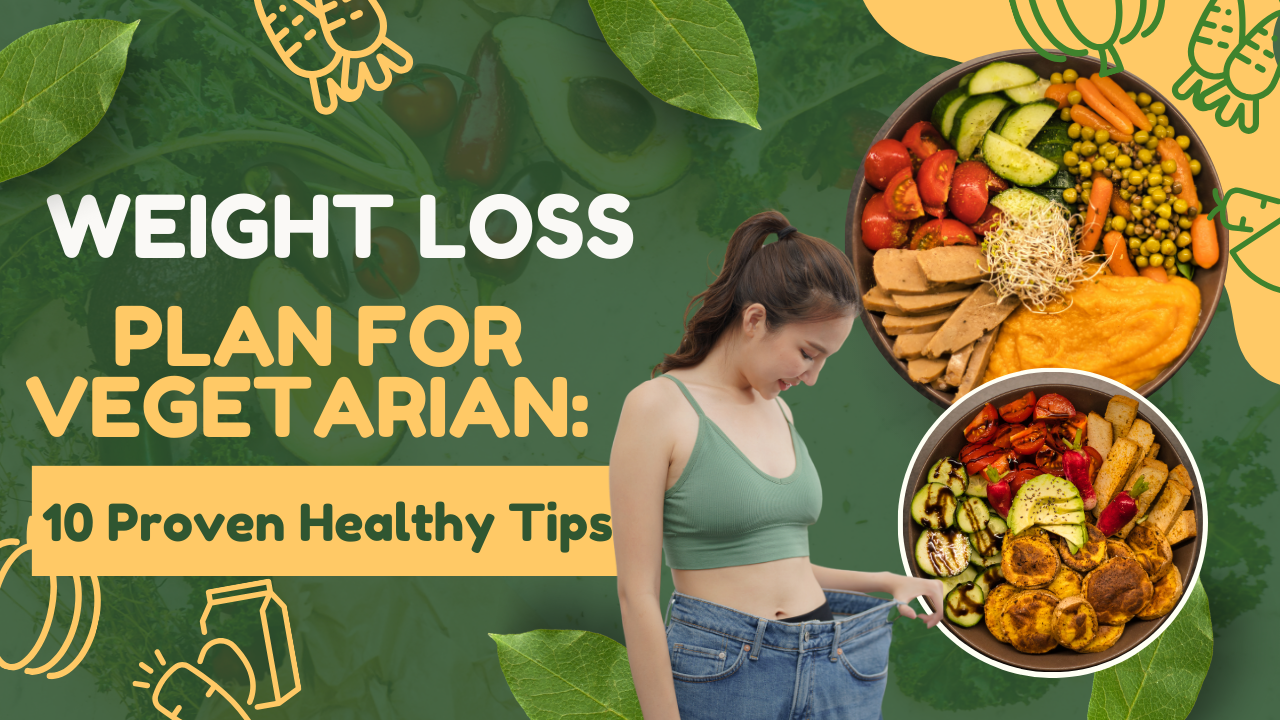
Adopting a Weight Loss Plan for Vegetarian lifestyle can be one of the most transformative decisions for your health and wellbeing. Many people believe that vegetarian diets are restrictive, but in reality, they offer a wealth of nutritious options that can accelerate weight loss while maintaining overall health. The key lies in structuring a plan that balances protein, healthy fats, and complex carbohydrates, ensuring that you stay full, energized, and satisfied throughout the day. 🥗✨
A Weight Loss Plan for Vegetarian is not just about cutting calories—it’s about making smarter food choices. Vegetables, fruits, legumes, nuts, seeds, and whole grains provide essential vitamins and minerals while supporting metabolic function. Combining this with portion control, regular exercise, and mindful eating creates a holistic approach to weight management. The best part? This plan also encourages ethical and sustainable food choices, making it beneficial not only for your body but also for the planet. 🌎💚
Moreover, following a Weight Loss Plan for Vegetarian helps prevent chronic diseases, including diabetes, heart disease, and obesity. With the rising trend of plant-based eating, more resources and recipes are available than ever to help individuals customize their diet according to taste and nutritional needs. Whether you are new to vegetarianism or a long-time plant-based eater, adopting a structured weight loss plan ensures consistency, motivation, and measurable results. In this article, we’ll explore everything you need to know—from why this plan works to actionable tips and strategies that will help you shed pounds effectively while enjoying delicious vegetarian meals. 🍅🥬
What is a Weight Loss Plan for Vegetarian?
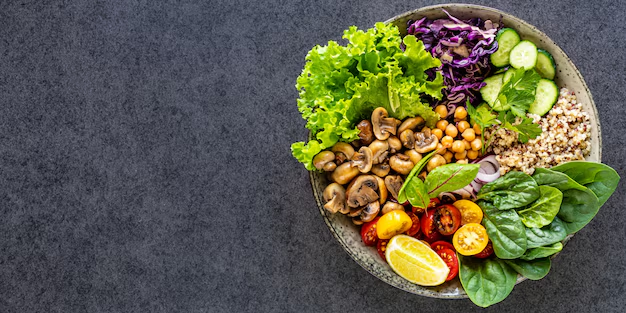
A Weight Loss Plan for Vegetarian is a structured eating and lifestyle strategy specifically designed for people who follow a vegetarian diet. Unlike conventional weight loss programs, this plan emphasizes plant-based foods while ensuring all macronutrient needs are met. It focuses on combining high-protein vegetarian foods, fiber-rich vegetables, and healthy fats to promote satiety and accelerate fat burning. 🥑🥦
One key aspect of a Weight Loss Plan for Vegetarian is meal planning. By organizing meals ahead of time, you can avoid unhealthy snacking and ensure that every meal contains the right balance of nutrients. This plan encourages whole foods like lentils, chickpeas, quinoa, tofu, and tempeh, which provide essential proteins and minerals often missing in vegetarian diets. Additionally, it incorporates low-calorie, nutrient-dense foods such as leafy greens, berries, and cruciferous vegetables, which are vital for weight loss.
Another important feature of a Weight Loss Plan for Vegetarian is flexibility. It allows you to include a variety of foods while still maintaining a calorie deficit, which is crucial for weight reduction. The plan also integrates lifestyle habits such as regular physical activity, adequate sleep, and hydration. By adhering to this comprehensive approach, vegetarians can enjoy sustainable weight loss without feeling deprived, experiencing fatigue, or compromising their nutritional needs. 🏃♀️💧
Why Choose a Weight Loss Plan for Vegetarian?
Choosing a Weight Loss Plan for Vegetarian offers several unique advantages. Firstly, plant-based diets are naturally lower in calories and saturated fats, making it easier to create a calorie deficit without extreme restrictions. This is essential for effective and safe weight loss. The high fiber content in vegetables, fruits, and legumes promotes a feeling of fullness, reducing the likelihood of overeating. 🍇🥕
Secondly, a Weight Loss Plan for Vegetarian is associated with numerous long-term health benefits. Studies show that vegetarians tend to have lower cholesterol, better blood sugar control, and reduced risk of heart disease. Integrating weight loss strategies with a vegetarian diet amplifies these benefits, as excess body fat is directly linked to many chronic conditions. 🌿❤️
Lastly, following a Weight Loss Plan for Vegetarian can be environmentally friendly and ethically aligned. Plant-based diets have a smaller carbon footprint compared to diets rich in animal products. By adopting this approach, you not only achieve personal health goals but also contribute positively to global sustainability. Moreover, this plan can be tailored to personal tastes and cultural preferences, making it accessible and enjoyable for a wide range of people. 🥗🌏
Proven Strategies in a Weight Loss Plan for Vegetarian
Prioritize Protein-Rich Vegetarian Foods
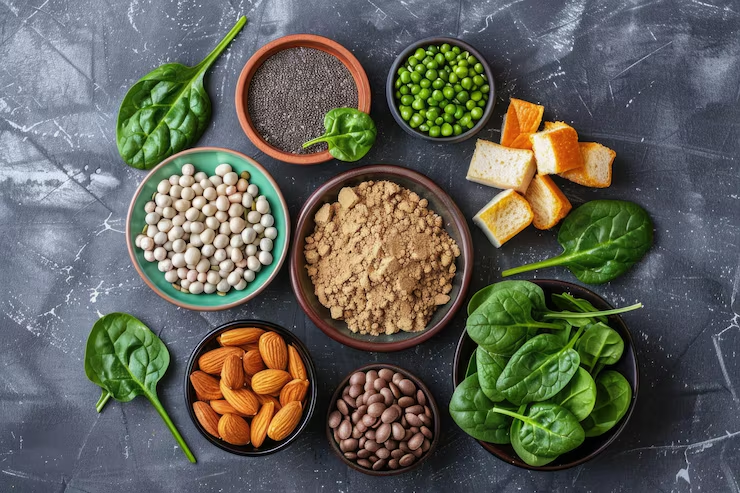
A Weight Loss Plan for Vegetarian emphasizes the importance of protein for maintaining muscle, increasing metabolism, and promoting satiety. Protein-rich foods such as lentils, chickpeas, tofu, tempeh, Greek yogurt, and quinoa are essential components of this plan. Incorporating protein at every meal prevents excessive snacking and helps regulate blood sugar levels. Since vegetarians may miss out on certain amino acids, combining legumes with grains ensures a complete protein profile. 🥗💪
Following a Weight Loss Plan for Vegetarian with adequate protein intake supports the thermic effect of food (TEF), meaning the body burns more calories digesting protein compared to fats or carbohydrates. Protein also plays a crucial role in preserving lean muscle mass, which is especially important during weight loss. Skipping protein or relying solely on carbs can slow metabolism, making it harder to achieve results. A proper vegetarian plan ensures balanced meals that supply sufficient protein while still being low in calories.
Practical tips include starting your day with a high-protein smoothie, incorporating tofu or tempeh in lunch or dinner, and snacking on roasted chickpeas or nuts. By prioritizing protein, a Weight Loss Plan for Vegetarian becomes more effective, sustainable, and enjoyable. Protein-rich meals also enhance energy levels, reduce cravings, and make it easier to stick to the plan over time.
Emphasize Fiber-Rich Foods
Fiber is a cornerstone of a successful Weight Loss Plan for Vegetarian. Vegetables, fruits, whole grains, and legumes provide high amounts of dietary fiber, which promotes a feeling of fullness and reduces overeating. Fiber also slows digestion and regulates blood sugar, preventing spikes that can lead to cravings. Including fiber-rich foods ensures that vegetarians get sufficient bulk in their meals without consuming excessive calories. 🥬🍎
In a Weight Loss Plan for Vegetarian, foods like broccoli, spinach, carrots, lentils, beans, quinoa, and oats are excellent sources of fiber. Consuming these foods regularly not only supports weight loss but also improves digestion, lowers cholesterol, and promotes long-term gut health. Fiber-rich meals allow individuals to eat satisfying portions while maintaining a calorie deficit, which is critical for effective weight management.
Incorporating fiber into your daily routine can be simple: replace refined grains with whole grains, add vegetables to every meal, include legumes in soups and salads, and snack on fruits. A well-structured Weight Loss Plan for Vegetarian uses fiber strategically to enhance satiety, improve nutrient absorption, and support sustainable fat loss. With fiber-rich foods, you feel fuller for longer, making it easier to stick to your plan without feeling deprived.
Control Portion Sizes
Portion control is a fundamental aspect of a Weight Loss Plan for Vegetarian. Even nutrient-rich vegetarian foods can contribute to weight gain if consumed in excessive amounts. Using smaller plates, measuring food, and following hand-sized portions for protein, carbohydrates, and fats ensures that you maintain a calorie deficit while meeting your nutritional needs. 🍽️✋
A Weight Loss Plan for Vegetarian incorporates portion management to balance macronutrients effectively. For example, one cup of cooked lentils, a handful of nuts, or a cup of cooked quinoa is generally considered a proper serving. Overeating high-calorie plant-based foods like avocado, nut butters, and seeds can stall weight loss, even if the diet is otherwise healthy. By monitoring portions, you can enjoy a variety of foods without compromising your weight loss goals.
Practical strategies include meal prepping, using measuring cups, tracking calories through apps or journals, and practicing mindful eating. Portion control in a Weight Loss Plan for Vegetarian not only helps manage weight but also encourages awareness of hunger and satiety cues. Over time, controlling portions becomes a habit, allowing sustainable weight management while still enjoying satisfying vegetarian meals.
Include Healthy Fats
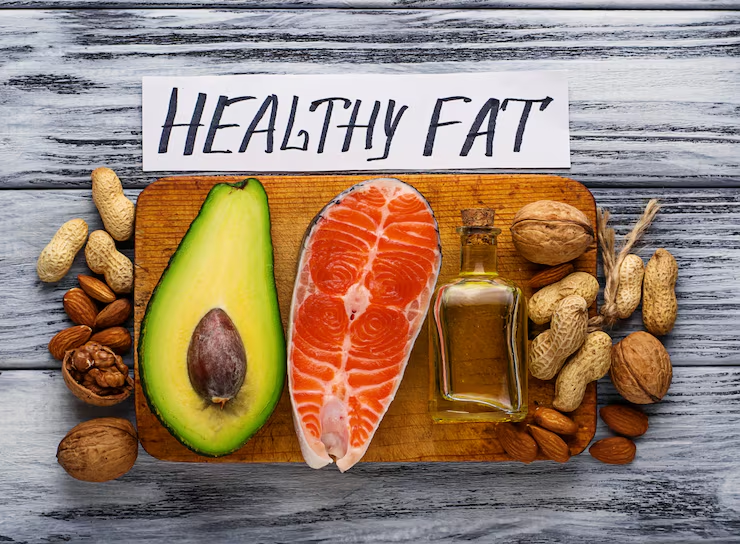
Healthy fats are an essential part of a Weight Loss Plan for Vegetarian, supporting hormone regulation, brain function, and satiety. Unsaturated fats from sources like avocados, nuts, seeds, and olive oil provide long-lasting energy and prevent unhealthy cravings. While fats are calorie-dense, they are crucial for absorbing fat-soluble vitamins A, D, E, and K. 🥑🌰
A Weight Loss Plan for Vegetarian balances healthy fats with protein and fiber to create nutrient-dense, satisfying meals. For instance, adding olive oil to salads, sprinkling seeds on oatmeal, or including a small portion of nuts as snacks enhances both flavor and nutrition. These fats help stabilize blood sugar levels, reduce overeating, and maintain energy levels throughout the day.
Incorporating healthy fats into your Weight Loss Plan for Vegetarian can be simple yet strategic. Focus on portion-controlled servings, avoid trans fats, and prioritize whole-food sources. By including fats in moderation, you achieve a balanced diet that supports fat loss while maintaining overall health. Healthy fats also improve satiety, making it easier to stick with your vegetarian plan consistently.
Stay Hydrated
Hydration is a critical component of any Weight Loss Plan for Vegetarian. Drinking enough water supports metabolism, aids digestion, and helps the body burn fat more efficiently. Proper hydration also reduces bloating, prevents fatigue, and curbs unnecessary snacking caused by thirst mistaken for hunger. 💧🥤
In a Weight Loss Plan for Vegetarian, individuals are encouraged to consume at least 8-10 glasses of water daily. Herbal teas and infused water with fruits or herbs can also contribute to fluid intake without adding calories. Staying hydrated is particularly important during workouts, as water helps optimize performance and ensures that physical activity contributes effectively to weight loss.
Hydration strategies for a Weight Loss Plan for Vegetarian include drinking a glass of water before meals to reduce calorie intake, keeping a reusable water bottle handy, and consuming water-rich fruits and vegetables. By maintaining adequate hydration, you enhance satiety, improve digestion, and support overall health while accelerating vegetarian weight loss goals.
Plan Balanced Meals 🥗🍛
Planning balanced meals is a cornerstone of an effective Weight Loss Plan for Vegetarian. A balanced meal includes the right proportions of protein, fiber, healthy fats, and complex carbohydrates, ensuring that your body gets the nutrients it needs while staying within calorie limits. For vegetarians, combining plant-based proteins such as lentils, chickpeas, tofu, or tempeh with vegetables, whole grains, and healthy fats from nuts or seeds creates meals that are satisfying, nutritious, and supportive of weight loss.
A Weight Loss Plan for Vegetarian emphasizes not only the quantity but also the quality of foods in each meal. For instance, a lunch could include quinoa with roasted vegetables and a portion of chickpeas, while a dinner might feature a tofu stir-fry with brown rice and steamed greens. This combination ensures that your body receives essential vitamins, minerals, and macronutrients, stabilizes blood sugar levels, and prevents unnecessary snacking. Balanced meals also help maintain energy throughout the day, making it easier to stick to your weight loss plan consistently.
To implement this strategy effectively in a Weight Loss Plan for Vegetarian, it is helpful to meal prep in advance and rotate different ingredients to prevent monotony. Incorporate colorful vegetables, a variety of protein sources, and moderate portions of healthy fats in every meal. Structured planning reduces reliance on convenience foods and ensures that you stay on track with your goals. By focusing on balanced meals, you create a sustainable and enjoyable approach to losing weight, supporting your overall health while following a nutritious Weight Loss Plan for Vegetarian.
Limit Processed Foods ❌🍟
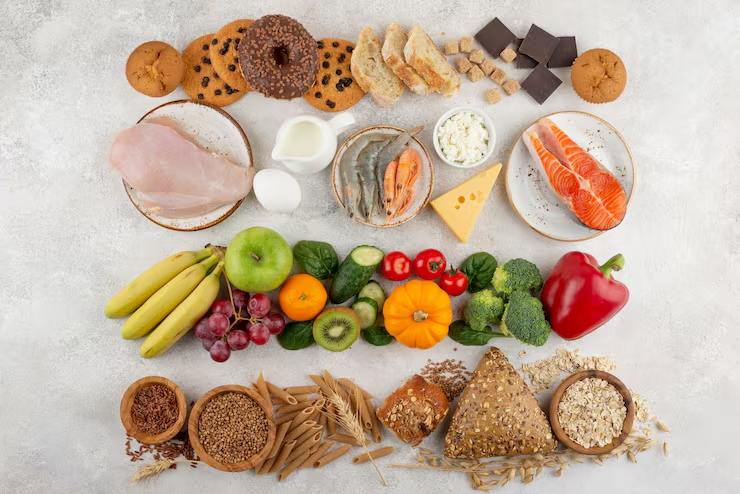
Limiting processed foods is a crucial aspect of a successful Weight Loss Plan for Vegetarian. Even though a vegetarian diet is generally considered healthy, many packaged and ready-to-eat foods contain hidden sugars, unhealthy fats, and high levels of sodium that can hinder weight loss. Consuming snacks like fried chips, sugary cereals, instant noodles, or processed meat substitutes may provide convenience, but they often lack essential nutrients and can contribute to calorie excess. Avoiding these foods helps maintain a balanced diet while ensuring that the body receives the nourishment it needs to burn fat effectively.
A Weight Loss Plan for Vegetarian focuses on whole, unprocessed foods like fresh vegetables, fruits, legumes, nuts, seeds, and whole grains. These natural foods are nutrient-dense, high in fiber, and low in empty calories, making them ideal for fat loss. By replacing processed snacks with wholesome options like roasted chickpeas, fresh fruit, or homemade granola bars, individuals can feel satisfied while staying within their calorie limits. Minimizing processed foods also reduces sugar and sodium intake, which helps prevent bloating, inflammation, and unhealthy weight gain.
Implementing this strategy in a Weight Loss Plan for Vegetarian involves practical steps such as cooking meals at home, reading food labels carefully, and choosing minimally processed ingredients. Batch-preparing meals and snacks allows you to have healthy options ready whenever hunger strikes, reducing the temptation to reach for packaged foods. By prioritizing natural, unprocessed foods, vegetarians can enjoy diverse flavors, maintain energy levels, and achieve sustainable weight loss results while following a safe and effective Weight Loss Plan for Vegetarian.
Incorporate Regular Exercise 🏋️♀️🏃♂️
Exercise is a vital component of any Weight Loss Plan for Vegetarian, as it not only accelerates fat loss but also helps maintain lean muscle mass. While diet controls calorie intake, physical activity ensures that your body burns calories efficiently and improves overall metabolism. For vegetarians, combining a nutrient-rich diet with regular exercise enhances results and makes weight loss more sustainable. Cardio exercises like jogging, cycling, and swimming are excellent for burning calories, while strength training helps build muscle, which further boosts metabolic rate.
A well-structured Weight Loss Plan for Vegetarian integrates a mix of exercises to address different aspects of fitness. Strength training, yoga, Pilates, and resistance workouts ensure flexibility, balance, and muscle tone. Muscle preservation is especially important for vegetarians, as plant-based diets sometimes provide slightly lower protein levels than omnivorous diets. Consistent workouts complement the diet by improving insulin sensitivity, supporting heart health, and enhancing stamina, which all contribute to effective weight management.
To successfully include exercise in a Weight Loss Plan for Vegetarian, it’s important to develop a realistic weekly routine. Aim for at least 150 minutes of moderate-intensity cardio and 2-3 strength training sessions per week. Even simple activities like brisk walking, climbing stairs, or home workouts can make a significant difference over time. Pairing regular exercise with a balanced vegetarian diet ensures that weight loss is gradual, healthy, and sustainable, while also boosting energy levels, mood, and overall well-being. By making exercise a non-negotiable part of your plan, you reinforce the effectiveness of your Weight Loss Plan for Vegetarian and achieve long-term success.
Conclusion
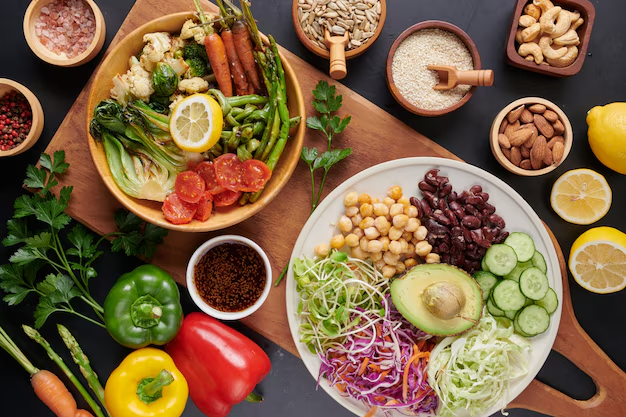
Following a Weight Loss Plan for Vegetarian is a transformative journey toward better health, increased energy, and sustainable weight management. By focusing on plant-based protein, fiber, healthy fats, portion control, and regular exercise, this plan ensures that weight loss occurs naturally without extreme dieting or deprivation. 🥗💪
The beauty of a Weight Loss Plan for Vegetarian is its adaptability. Whether you are a beginner or experienced vegetarian, this plan allows flexibility in meal choices while prioritizing nutrient density. By incorporating practical strategies like mindful eating, hydration, and progress tracking, individuals can achieve their goals consistently and enjoyably.
Ultimately, a Weight Loss Plan for Vegetarian is not just about shedding pounds—it’s about creating a lifestyle that promotes long-term health, ethical food choices, and personal empowerment. 🌿✨ With dedication, proper planning, and motivation, anyone can achieve their ideal weight while embracing the abundance of delicious and nutritious plant-based foods. Start your journey today and experience the positive impact on your body, mind, and overall well-being!
FAQs
Q1. How quickly can I lose weight on a Weight Loss Plan for Vegetarian?
Weight loss varies depending on individual metabolism, activity level, and adherence. Generally, a safe and sustainable rate is 0.5-1 kg per week. Consistent practice of balanced meals, portion control, and exercise ensures gradual, long-term results without compromising health.
Q2. Can I get enough protein on a vegetarian weight loss plan?
Yes! Protein can be sourced from lentils, beans, tofu, tempeh, quinoa, Greek yogurt, and nuts. Combining plant-based proteins ensures all essential amino acids are met, supporting muscle maintenance and satiety, which are crucial for effective weight loss.
Q3. Are carbohydrates allowed in a Weight Loss Plan for Vegetarian?
Absolutely! Complex carbohydrates like oats, quinoa, brown rice, and whole grains are encouraged. They provide energy, fiber, and essential nutrients. Portion control is important to avoid excess calories while still enjoying healthy carbs.
Q4. Can I eat out while following this plan?
Yes, but make mindful choices. Opt for salads, grilled vegetables, whole grains, legumes, and avoid deep-fried or sugary options. Many restaurants now offer vegetarian and plant-based dishes that fit a weight loss strategy.
Q5. How important is exercise in a Weight Loss Plan for Vegetarian?
Exercise significantly enhances weight loss by boosting metabolism, preserving muscle, and improving overall fitness. Combining cardio, strength training, and flexibility exercises ensures optimal fat loss while maintaining energy levels and promoting well-being.